

AI Generated
India faces an energy crisis as the Strait of Hormuz chokes oil supply, highlighting the need to balance green energy goals with oil and gas investment.
GlipzoIn light of recent geopolitical tensions, India's energy sector faces a critical juncture as the Strait of Hormuz, a vital passage for oil shipments, sees increased chokepoints. The ongoing disruptions have reignited discussions on the country's reliance on oil and gas, revealing a stark truth: India has overlooked its oil and gas infrastructure for the past two decades. This neglect has left the nation vulnerable at a time when energy security is paramount.
For years, the Indian government and industries have been captivated by the narrative pushed by Western nations that advocates for green energy and demonizes fossil fuels. While the transition toward sustainable energy is essential, the overemphasis on renewable sources has led to a significant decline in investment and development in the traditional energy sector.
As the world shifts towards greener alternatives, India's reluctance to bolster its oil and gas capabilities is concerning. The Stability Index of energy supply has become increasingly volatile, prompting the need for a robust response.
The Strait of Hormuz, located between Oman and Iran, is a critical narrow waterway through which a significant portion of the world's oil passes. Recent military escalations and political instability in the region could severely disrupt oil shipments, creating ripple effects across global markets and impacting India's energy supply.
Given the current scenario, the Indian government must reevaluate its energy strategy and focus on the following:
The push for renewable energy is crucial for addressing climate change and achieving sustainability. However, India must adopt a balanced approach that acknowledges the continued importance of oil and gas in the short to medium term. The transition to green energy should not come at the expense of energy security.
Key strategies could include:
As India navigates the complexities of its energy future, it is essential to learn from the lessons presented by the Strait of Hormuz situation. The neglect of the oil and gas sector has significant implications for national security and economic stability. While pursuing a greener future is imperative, India must not forsake its energy independence.
In summary, the current geopolitical climate serves as a reminder that a diversified and resilient energy strategy is crucial for India's growth and sustainability. By investing in traditional energy sources alongside renewable initiatives, India can secure its energy future while contributing to global sustainability efforts.
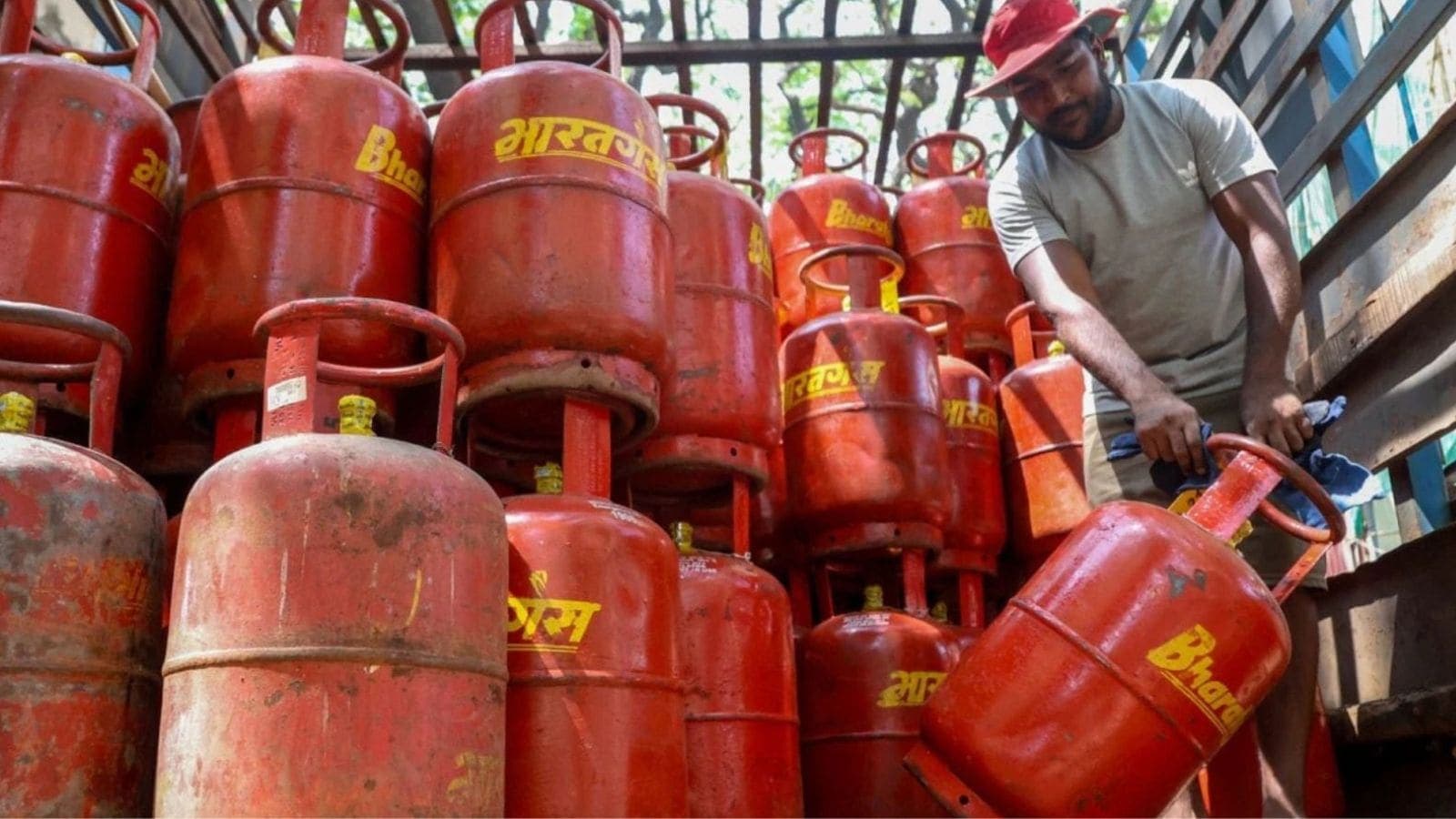
Commercial LPG prices have risen again, with increases of ₹42 in Delhi and ₹53.50 in Kolkata impacting businesses and consumers alike. Find out more.
Indian Express
Discover how a tragic coal mine explosion in Shanxi, China, reveals ongoing safety concerns in the industry amidst a push for green energy.
BBC Business
Montek Singh Ahluwalia highlights key economic challenges for India, emphasizing the need for a strategic approach to balance payments and investment.
Indian Express