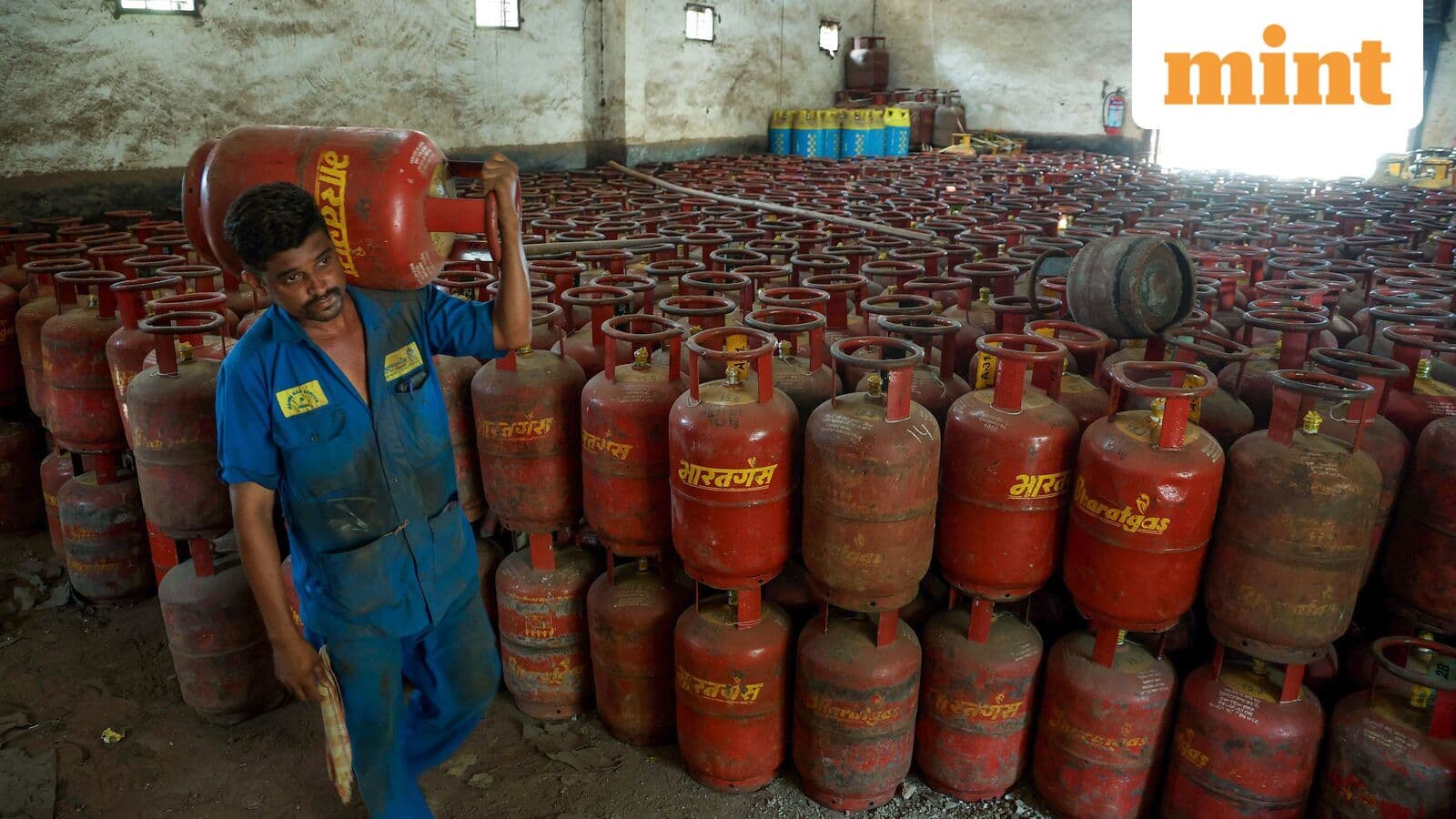
India is tackling a significant LPG shortage due to geopolitical tensions, implementing measures to prioritize essential energy needs for its citizens.
Overview of India's LPG Shortage
The ongoing geopolitical tensions in West Asia have led to a significant **liquefied petroleum gas (LPG)** shortage in **India**, the world's fourth-largest economy. With fuel shipments through the **Strait of Hormuz** suspended, the Indian government is actively implementing strategies to address this critical challenge. As of **March 9, 2023**, the government invoked the **Essential Commodities Act** to prioritize natural gas supplies for sectors that are vital for everyday consumers.
Government Interventions and Policies
India, which imports approximately **50%** of its daily natural gas demand, faces a grim situation as the country relies heavily on liquefied natural gas (LNG) from **West Asian countries** like **Qatar** and the **UAE**. With about **60%** of its LPG needs satisfied through imports, the crisis is exacerbated by the fact that around **80%** of these shipments transit through the Strait of Hormuz. The recent **Natural Gas (Supply Regulation) Order, 2026** issued by the **Ministry of Petroleum and Natural Gas (MoPNG)** prioritizes natural gas for critical sectors, including **piped natural gas (PNG)** for households, **compressed natural gas (CNG)** for vehicles, and natural gas used in LPG production.
The Essential Commodities Act, enacted in 1955, allows the Indian government to intervene in the production and distribution of essential commodities to safeguard public interests. This law aims to prevent practices like hoarding that could disrupt the availability of crucial goods, including LPG, which is vital for millions of households.
Alternative Sourcing Strategies
In response to the LPG shortage, India is diversifying its sources for liquefied petroleum gas by seeking additional shipments from new suppliers, including the **United States**, **Norway**, **Canada**, and **Russia**. On **March 12, 2023**, **Oil Minister Hardeep Singh Puri** announced these efforts while reinforcing that the country will continue to source LPG from Gulf region exporters. This strategy is essential for stabilizing supplies as the country navigates through the current crisis.
The Ministry of Environment, Forest and Climate Change has also stepped in by advising State Pollution Control Boards to allow the use of alternative fuels like biomass, kerosene, RDF pellets, and coal in the hospitality sector for a month. This temporary measure aims to alleviate the impact of restricted LPG availability on businesses reliant on cooking gas.
Increased Kerosene Allocation
As part of its response, the government has raised the quarterly allocation of kerosene to states from **100,000 kilolitres** to include an additional **48,000 kilolitres**. **Sujata Sharma**, joint secretary for marketing at MoPNG, emphasized that the role of state governments is crucial for identifying beneficiaries and ensuring effective distribution. This allocation is expected to support households and institutions during the LPG supply crunch.
Priority Allocation and Consumer Impact
The MoPNG's recent order outlines four priority categories for natural gas allocation, which are determined based on average consumption over the past six months. The highest priority is given to **PNG for households**, ensuring that domestic consumers receive an uninterrupted supply of natural gas.
The critical categories are:
- PNG for domestic cooking
- CNG for transportation
- Natural gas for LPG production
- Gas for essential pipeline operations
While this focus on essential services is vital for public welfare, it has led to restrictions on commercial LPG supplies. Consequently, businesses have had to revert to older, less environmentally friendly energy sources.
Historical Context of India's LPG Policies
India's commitment to reducing reliance on kerosene and enhancing LPG access has historical significance. On **June 17, 2014**, **Delhi** was designated the nation’s first kerosene-free city, a result of initiatives that replaced kerosene with LPG connections for households. The **Pradhan Mantri Ujjwala Yojana**, launched to provide free LPG connections to economically weaker households, has been a cornerstone in reducing the use of firewood and coal in cooking, particularly in rural areas.
Conclusion: Moving Forward
The current LPG shortage in India underscores the challenges faced by the country in securing energy supplies amid global disruptions. The government's multifaceted approach—ranging from the invocation of the Essential Commodities Act to diversifying import sources—reflects its commitment to ensuring that essential services remain operational. As India continues to prioritize natural gas for domestic needs, the long-term vision must balance energy security with environmental sustainability.
Key Highlights:
- **India** faces a critical **LPG shortage** due to geopolitical tensions affecting supply routes.
- The government has invoked the **Essential Commodities Act** to prioritize natural gas for essential sectors.
- **LPG imports** are being diversified to include suppliers from **the U.S., Norway, Canada, and Russia**.
- Increased kerosene allocation aims to support households and institutions amid the crisis.