
Image: Mint (Business)
India's Jaishankar denies blanket deal with Iran for vessel passage through Strait of Hormuz amid escalating Middle East tensions. What’s next?
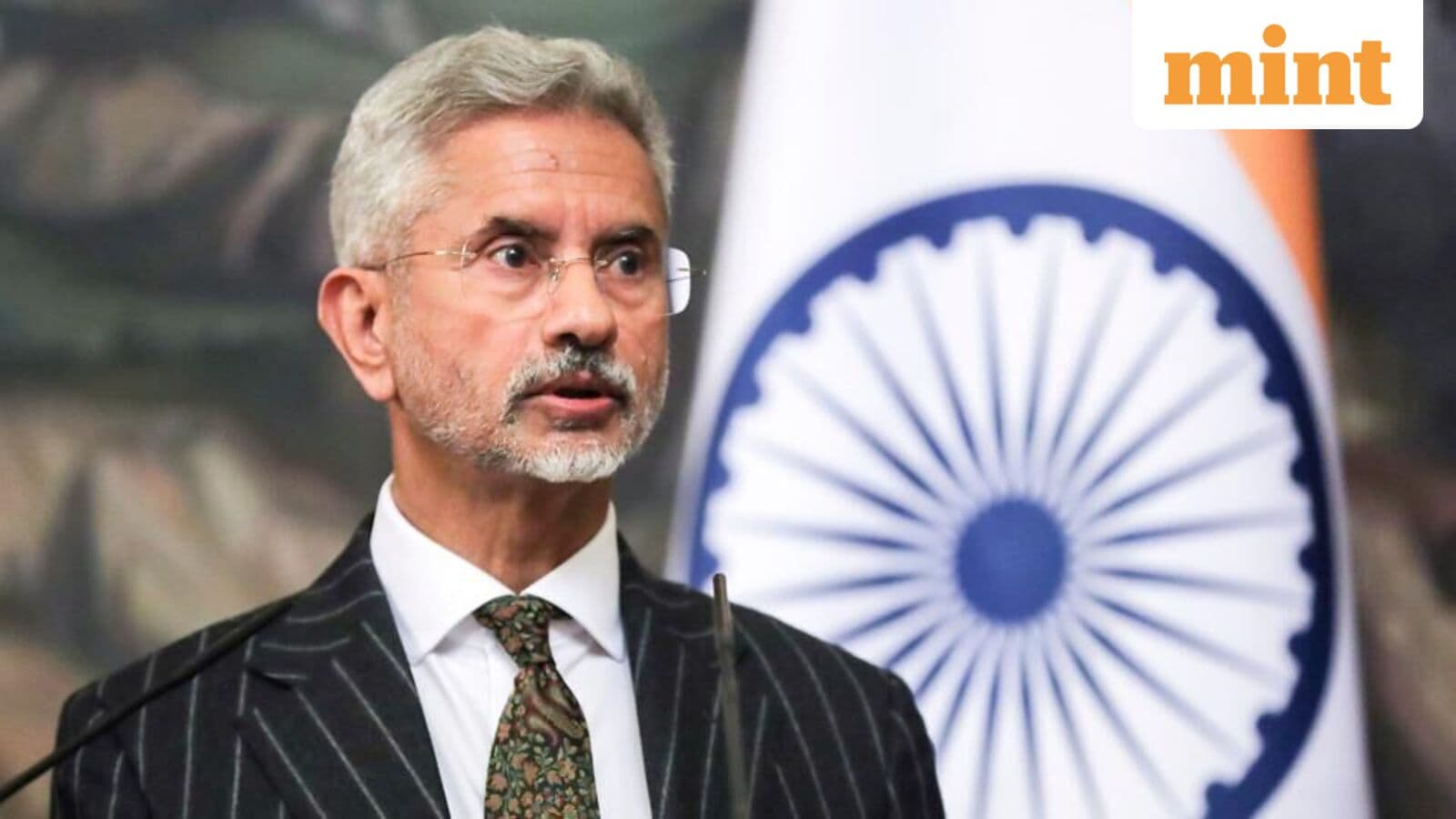
GlipzoIn a recent interview with the Financial Times, India's External Affairs Minister S. Jaishankar made it clear that the nation has not established a 'blanket arrangement' with Iran concerning the passage of Indian-flagged vessels through the Strait of Hormuz. This statement comes in light of heightened tensions in the Middle East that have raised concerns about maritime security and oil shipments.
Jaishankar emphasized that each movement of a ship is treated as a unique event rather than part of a broader agreement. He specifically refuted claims that India had made concessions to Iran in exchange for the passage of its vessels. “It’s not an exchange issue,” he stated, underscoring the complexities involved in international maritime diplomacy. He acknowledged the longstanding relationship between India and Iran, calling the current conflict in the region both unfortunate and regrettable.
In his conversation with the Financial Times, Jaishankar highlighted the importance of direct communication with Tehran as a means to facilitate the safe passage of vessels through the strategically crucial Strait of Hormuz. The minister noted that recent discussions have produced tangible outcomes, allowing for the transit of two Indian-flagged liquefied petroleum gas (LPG) carriers, Shivalik and Nanda Devi, through the strait.
The gas tankers, which are carrying approximately 92,712 metric tonnes of LPG, are en route to Indian ports in Mundra and Kandla. Jaishankar remarked, “Certainly, from India’s perspective, it is better that we reason and we co-ordinate and we get a solution than we don’t.” This statement underscores the proactive approach India is taking in navigating its maritime interests amid instability.
Jaishankar noted that discussions with Iranian officials have been ongoing, particularly as the number of Indian vessels navigating the Strait increases. He acknowledged that while the recent passage of the gas carriers is a positive development, it is merely the beginning of a longer dialogue. “These are still early days,” Jaishankar pointed out, indicating that further negotiations are in progress as India seeks to ensure the safe transit of its shipping interests.
The minister revealed that he has had four phone conversations with his Iranian counterpart, Abbas Araghchi, since tensions escalated following a series of US-Israel military strikes on Iran, which began on February 28. The Iranian response included retaliatory actions against US-Israel military bases, exacerbating the conflict and leading to increased threats to oil shipments from the region.
The current unrest in the Middle East presents significant challenges for global oil supply chains. Following the attacks on Iranian soil, Iran has vowed to impede oil exports to countries it considers adversaries, declaring that it will not permit “even a single litre” of oil to be shipped to its enemies. This aggressive stance has already resulted in oil prices surging above $100 per barrel, raising alarm over potential inflationary pressures on the global economy.
The International Energy Agency warned that the recent hostilities have caused the most significant supply disruption in the history of the global oil market. As a result, countries dependent on oil imports are closely monitoring the situation, fearing the implications of a prolonged blockade.
The implications of Jaishankar's statements extend beyond just shipping logistics; they reflect India's strategic maneuvering in a volatile geopolitical landscape. The ability to maintain open lines of communication with Iran is crucial not only for India's energy security but also for regional stability in the Middle East.
By emphasizing diplomacy over military action, India positions itself as a potential mediator in a conflict that could otherwise escalate further, affecting global markets and regional alliances. As tensions continue to rise, the international community will be watching closely to see how India navigates its relationship with Iran and its implications for shipping through the Strait of Hormuz.
As the situation evolves, several key points will be crucial for observers: - Continued Diplomatic Efforts: Jaishankar's ongoing talks with Iranian officials will be pivotal in determining the future of vessel passage through the Strait. - Impact on Oil Prices: With oil prices already soaring, any further disruptions could lead to significant economic ramifications worldwide. - Geopolitical Dynamics: How India balances its relationships with Iran and Western powers amid the ongoing conflict will be critical in shaping future alliances.
In summary, as India navigates its diplomatic engagements with Iran, its ability to secure safe passage for its vessels will serve as a litmus test for its influence in the region and its commitment to diplomatic resolution rather than conflict.

Tensions soar as the US and Iran engage in air strikes near the Strait of Hormuz, raising concerns over global oil supply and regional stability.
BBC World
Trump's international interventions face serious stalemates. What will this mean for U.S. foreign policy? Explore the critical challenges ahead.
Indian Express
Tehran denies resignation of President Masoud Pezeshkian amid claims of IRGC influence. What does this mean for Iran's political stability? Click to learn more!
Indian Express