
Image: Indian Express
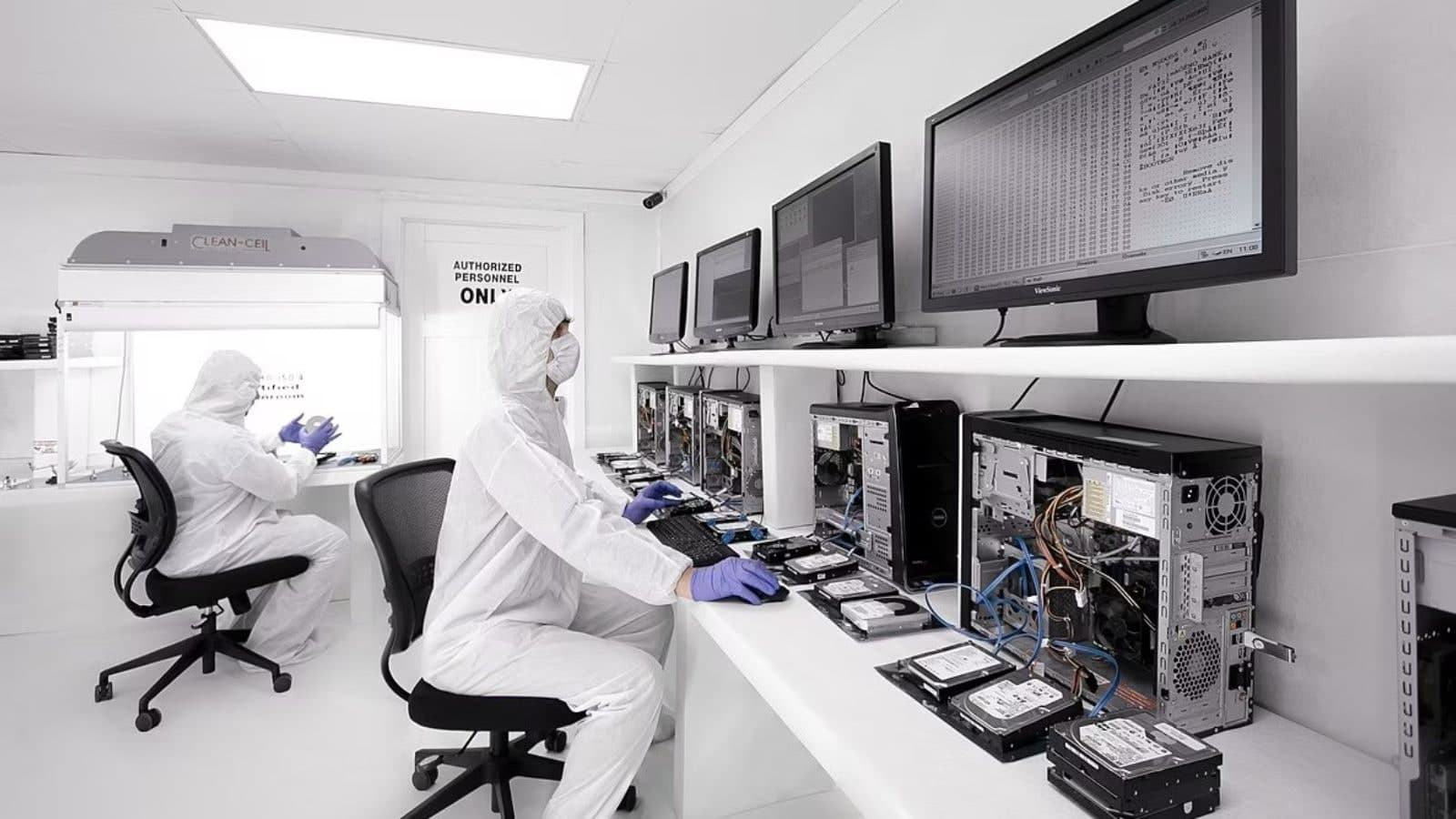
India's Home Ministry mandates a 90-day deadline for states to upgrade forensic labs and clear backlogs, aiming to modernize the criminal justice system.
GlipzoIn a groundbreaking initiative to revamp the criminal justice system, the Union Ministry of Home Affairs (MHA) has laid down a 90-day ultimatum for all states and Union Territories to address long-standing forensic backlogs and enhance their forensic capabilities. This directive, sent in a letter earlier this month, aims to ensure that forensic science laboratories (FSLs) are equipped to handle increasing case loads effectively.
The MHA's letter emphasizes the necessity of coordinated efforts through the Directorate of Forensic Science Services (DFSS). The focus is on capacity building in terms of manpower, infrastructure, and technology. This modernization is critical as India transitions to the ‘Naveen Sanhitas’, a set of new criminal laws that will replace outdated colonial-era codes.
Key areas of focus include: - Regular recruitment and specialized training for FSL staff. - Programs aimed at educating investigators and judicial officers on proper evidence handling.
A senior government official highlighted the urgency of the situation, stating, “States must institute monitoring to ensure timely forensic reports and launch a special drive to eliminate all backlogs by July.”
Significant improvements in infrastructure are also a major aspect of the MHA's directives. The plan includes: - Expanding regional and district-level FSLs. - Deploying advanced equipment to analyze physical, biological, chemical, and digital evidence. - Ensuring the regular use of Mobile Forensic Vans for on-site evidence collection. - Establishing dedicated forensic evidence collection teams at both district and sub-divisional levels.
The MHA has urged states to review recruitment rules and recognize qualifications from specialized institutions such as the National Forensic Sciences University (NFSU). This would help distinguish these qualifications from more traditional science degrees.
Filling vacancies in forensic labs is another pressing issue. The MHA has recommended hiring on a contractual basis to address these gaps swiftly. Furthermore, they propose granting administrative autonomy to FSLs by separating them from police functions, a move aimed at maintaining scientific integrity.
“Police personnel are to receive structured training on evidence protocols, with strict adherence to DFSS SOPs and mandatory accreditation for all FSLs under national and international standards,” the official stated. This structured approach is essential for improving the quality of investigations and ensuring justice is served promptly.
A pivotal element of this modernization effort is the digital integration of forensic processes. The introduction of the e-Forensics module under the Interoperable Criminal Justice System (ICJS) will facilitate seamless report transmission to courts, significantly speeding up the judicial process.
Collaboration and innovation are also encouraged, with IITs, NITs, and other universities being invited to partner with state labs. Initiatives like hackathons will be organized to foster new ideas and solutions within the forensic domain.
The MHA's directive aligns closely with the vision of Prime Minister Narendra Modi, who advocates for a technology-driven justice system. This move comes amid growing concerns regarding low conviction rates, which currently sit between 30-40% for serious crimes, often attributed to inadequate forensic support.
States are urged to allocate sufficient budgets for these enhancements, with the DFSS tasked with monitoring progress and providing necessary assistance. This comprehensive approach aims to bolster the effectiveness of forensic science in the criminal justice system, thereby enhancing the overall standard of law enforcement in India.
The modernization of forensic laboratories is not merely an administrative task; it is a critical step towards ensuring justice and accountability in India. With a more robust forensic framework, the country can expect: - Improved investigation quality leading to better legal outcomes. - Timely justice for victims and society. - Higher conviction rates, reinforcing public trust in the legal system.
As states gear up to meet the MHA's deadline, the focus will be on implementing these changes effectively. The next few months will be crucial in assessing the impact of these directives on India’s criminal justice system.
As the deadline approaches, it will be vital to monitor the progress of each state in achieving these goals. Key indicators to observe include: - The speed at which forensic vacancies are filled. - The effectiveness of training programs for police and forensic staff. - The deployment and utilization of new technologies in evidence collection and analysis.
With these changes underway, the future of forensic science in India looks promising, paving the way for a more efficient and just legal system.
---

Tensions soar as the US and Iran engage in air strikes near the Strait of Hormuz, raising concerns over global oil supply and regional stability.
BBC World
Trump's international interventions face serious stalemates. What will this mean for U.S. foreign policy? Explore the critical challenges ahead.
Indian Express
Tehran denies resignation of President Masoud Pezeshkian amid claims of IRGC influence. What does this mean for Iran's political stability? Click to learn more!
Indian Express