
Image: BBC Business
India's economy faces a major oil shock due to Middle East tensions, threatening growth and inflation. Discover the potential impacts and future outlook.
GlipzoIn recent months, India has been riding a wave of economic optimism, with the Reserve Bank of India (RBI) describing the nation’s growth as a "Goldilocks" moment—a period of high growth coupled with low inflation. However, this promising narrative is now under severe threat as escalating tensions in the Middle East impact global oil markets, disrupting India's economic landscape in unexpected ways.
The most noticeable effect of the ongoing conflict has been on the Indian rupee, which has plummeted to record lows, depreciating nearly 10% against the US dollar over the past year. While the RBI has intervened to stabilize the currency, experts warn that this respite might be short-lived. Analysts are predicting further declines, particularly if the conflict persists into 2026. Bernstein, a prominent global equity research firm, has suggested that in a worst-case scenario, the rupee could fall below 110 to the dollar, leading to dire economic consequences.
The weakening rupee does not exist in a vacuum; its repercussions are felt across various economic sectors. A depreciating currency leads to several negative outcomes, such as: - Increased Prices for Consumers: As the rupee weakens, the cost of imports rises, directly impacting consumer prices. - Lower Corporate Margins: Companies that rely on imported goods will see their profit margins shrink due to increased costs. - Wider Government Deficits: A declining currency can exacerbate budget deficits, limiting the government's ability to fund essential services. - Reduced Capital Flows: Investors may shy away from a market with a weakening currency, leading to less capital entering the stock market.
The Indian stock market has already felt the strain, with benchmark indices dropping around 12% since the start of the year. This downturn erodes the wealth effect, which usually encourages spending among the affluent and fuels overall consumption.
Global tensions are also casting shadows over India's inflation and growth forecasts. As the finance ministry pointed out in its latest monthly review, rising import and logistics costs, alongside a potential dip in remittances from the 10 million Indians living in the Gulf, could lead to a significant impact on economic metrics. Factors such as supply constraints and early signs of economic activity moderation are raising alarms.
Previously, the GDP was projected to grow at 7% for the fiscal year 2026-27, but this forecast may be revised downward by as much as 1% due to the ongoing crisis in the Gulf. This situation complicates India's ambitions to surpass Japan and ascend to the position of the world’s fourth-largest economy, pushing these goals further into the future.
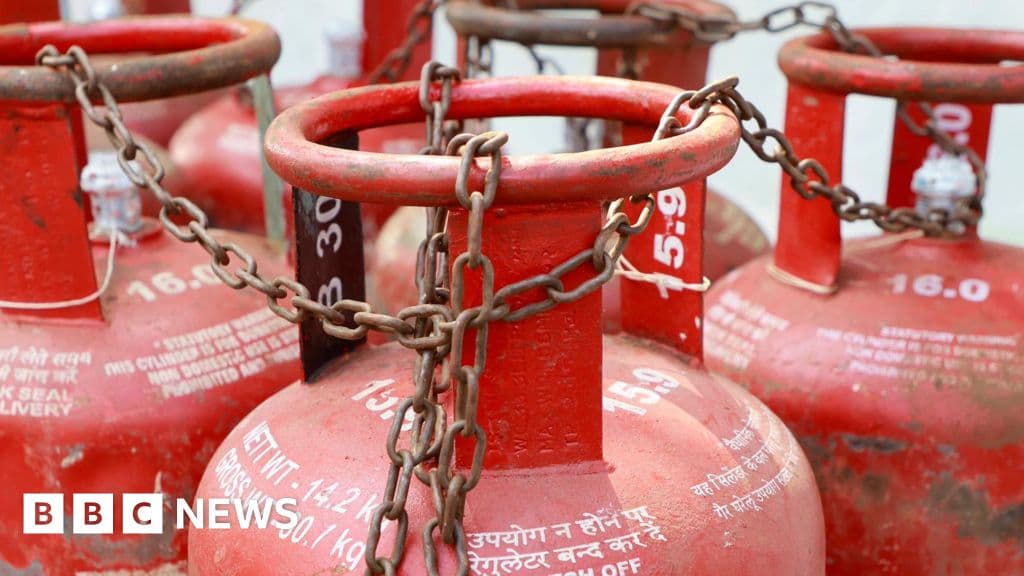
The energy shock stemming from the Middle East crisis is particularly concerning for India, which stands as the world's third-largest oil importer. Notably, 60% of its natural gas and over 90% of its LPG imports come from this volatile region. This reliance raises the stakes significantly for Delhi, making the current crisis potentially catastrophic.
Furthermore, a substantial 25% of India’s fertilizer imports are sourced from Middle Eastern nations. Disruptions in these supplies could pose serious challenges for India's agrarian economy, especially as the sowing season approaches amidst the looming threat of the El Niño weather phenomenon, which can lead to erratic agricultural conditions.
The broader implications of this energy turmoil extend to the potential for a stagflationary shock—a scenario where inflation rises while economic growth stagnates. Arvind Subramanian, former chief economic adviser to India, highlighted the reality of this risk, indicating that stagflation is already being felt in various sectors. Reports of restaurants closing, along with disruptions in industries such as food processing and ceramics, underscore the urgency of the situation.
The unfolding crisis in the Middle East is not merely a geopolitical issue; it poses real economic risks to India, a nation striving for robust growth and stability. As the government navigates these turbulent waters, the interconnectedness of global events and domestic economics becomes glaringly evident. The way forward must involve strategic planning to mitigate these impacts, ensuring that India can weather this storm.
As the situation evolves, several key factors will determine the trajectory of India's economy in the coming months: - Duration of the Conflict: The length of the Middle Eastern conflict will play a crucial role in shaping economic outcomes. - Government Interventions: Watch for any new policies aimed at stabilizing the currency and controlling inflation. - Global Oil Prices: Fluctuations in oil prices could significantly influence India's trade balance and economic health. - Remittance Trends: Monitoring the flow of remittances from Gulf countries will be vital, as any decline could adversely affect many households.
In conclusion, India's economic landscape is at a crossroads, with the potential for significant setbacks unless proactive measures are taken. The resilience of the nation's economy will be tested as it faces these unprecedented challenges in the global arena.
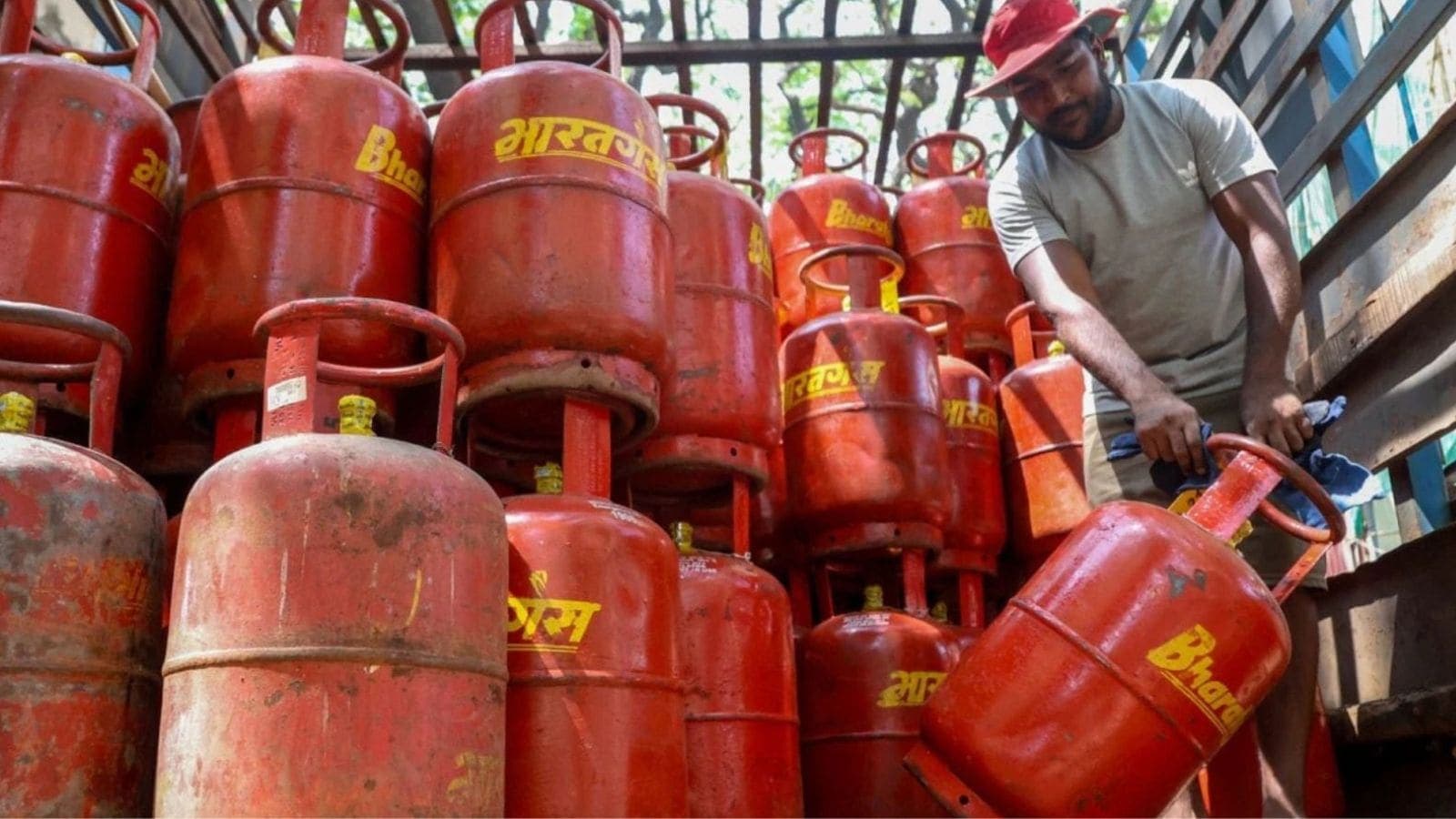
Commercial LPG prices have risen again, with increases of ₹42 in Delhi and ₹53.50 in Kolkata impacting businesses and consumers alike. Find out more.
Indian Express
Discover how a tragic coal mine explosion in Shanxi, China, reveals ongoing safety concerns in the industry amidst a push for green energy.
BBC Business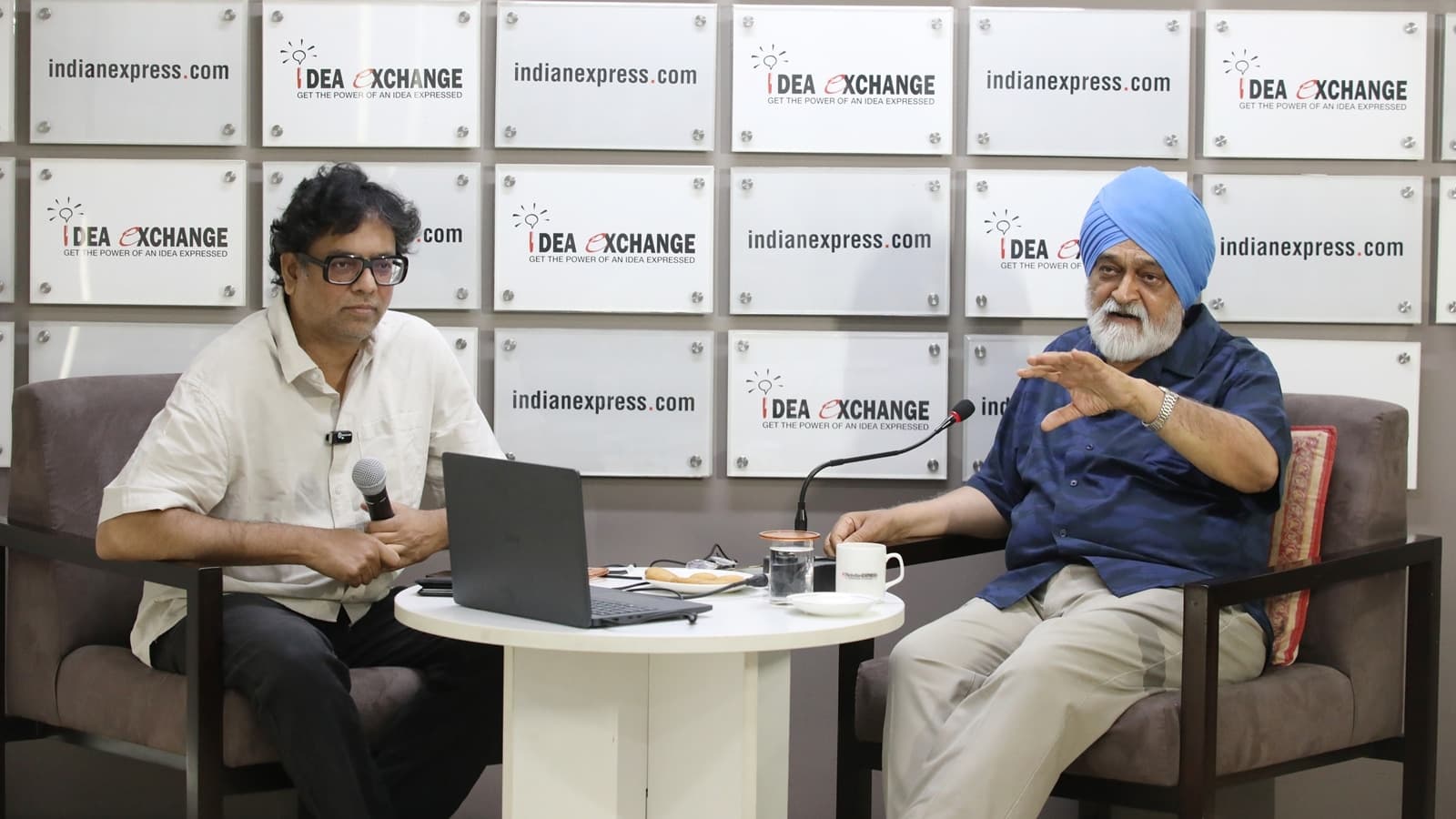
Montek Singh Ahluwalia highlights key economic challenges for India, emphasizing the need for a strategic approach to balance payments and investment.
Indian Express