

Image: Times of India
Amid rising oil prices and global tensions, India faces economic challenges that threaten its growth narrative. Discover how these factors could reshape the economy.
GlipzoAs global tensions rise, India finds itself at a critical crossroads. Recent conflicts, particularly the ongoing war in Ukraine, combined with crude oil prices soaring above $100 per barrel, pose significant challenges to the country's robust economic growth narrative. These developments have raised alarms among economists and policymakers alike, who fear that India's Goldilocks economy, characterized by stable growth and low inflation, may soon face turbulence.
Crude oil prices have surged to alarming heights, largely due to geopolitical instability and supply chain disruptions. For India, a nation heavily reliant on oil imports, the implications are profound: - Inflationary Pressures: Higher oil prices directly translate into increased transportation and commodity costs, affecting everything from food prices to manufacturing expenses. - Current Account Deficit Risks: With oil making up a significant portion of India's import bill, soaring prices threaten to widen the current account deficit, a crucial economic indicator. - Reduced Consumer Spending: As fuel prices climb, households may tighten their budgets, leading to decreased consumer spending, which is vital for economic growth.
Economists are concerned that these factors could derail India's growth trajectory, which has been one of the strongest in the world post-pandemic.
The ongoing conflict in Ukraine has not only affected energy prices but has also disrupted global supply chains, leading to a ripple effect felt worldwide. Here’s how India is affected: - Supply Chain Disruptions: Industries reliant on imports for raw materials are facing delays and increased costs, hindering production capabilities. - Trade Relations at Stake: As nations impose sanctions and alter trade routes, India may find itself negotiating new trade agreements to secure essential goods. - Investor Sentiment: Global uncertainty often leads to reduced foreign direct investment, which is crucial for sustaining India’s growth.
India's ability to navigate these geopolitical waters will be pivotal in maintaining its economic stability.
India's inflation rate has been a topic of concern, particularly as food and energy prices rise. The Reserve Bank of India (RBI) has been proactive in addressing these issues: - Interest Rate Hikes: The RBI has already implemented several interest rate hikes to combat inflation, a move that could slow economic growth if continued. - Inflation Targets: Keeping inflation within the target range of 2-6% is crucial for economic health. If inflation exceeds this range, it could prompt further monetary tightening. - Growth Projections: Analysts are closely watching growth projections, which are currently optimistic but may need revision in light of the new economic challenges.
The stakes are high for India's economy as it grapples with these dual challenges of rising oil prices and geopolitical instability. Here’s why this matters: - Impact on Ordinary Citizens: Higher prices for essential goods can lead to a decrease in living standards, disproportionately affecting the lower and middle classes. - Long-Term Economic Health: Sustaining high growth rates is essential for job creation and poverty alleviation, critical goals for the Indian government. - Global Economic Positioning: India’s response to these challenges could shape its role in the global economy, influencing everything from trade partnerships to investment flows.
As we move forward, several key factors will determine the trajectory of India’s economy: - Government Policies: Watch for potential fiscal measures or subsidies aimed at mitigating the impact of rising oil prices on consumers. - Geopolitical Developments: Ongoing monitoring of the global situation, particularly in Ukraine, will be essential for assessing potential economic fallout. - Market Reactions: Investor sentiment and stock market performance will provide insights into how well the economy is adapting to these challenges.
In conclusion, while India's economic story has been largely positive, the current global landscape presents significant risks that must be addressed. With careful navigation through these turbulent waters, India may still maintain its economic trajectory, but vigilance and proactive measures will be essential to safeguard its future.
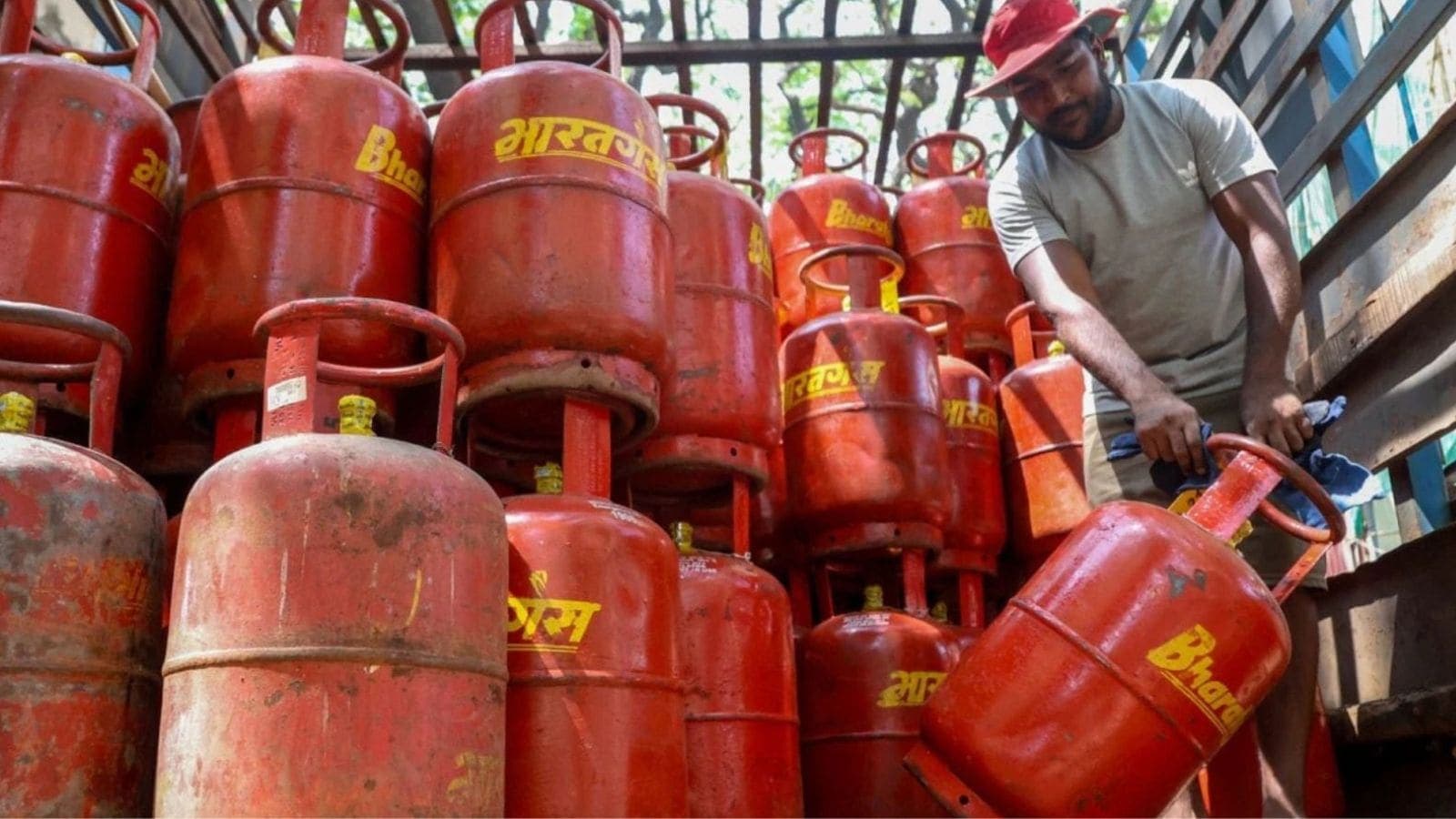
Commercial LPG prices have risen again, with increases of ₹42 in Delhi and ₹53.50 in Kolkata impacting businesses and consumers alike. Find out more.
Indian Express
Discover how a tragic coal mine explosion in Shanxi, China, reveals ongoing safety concerns in the industry amidst a push for green energy.
BBC Business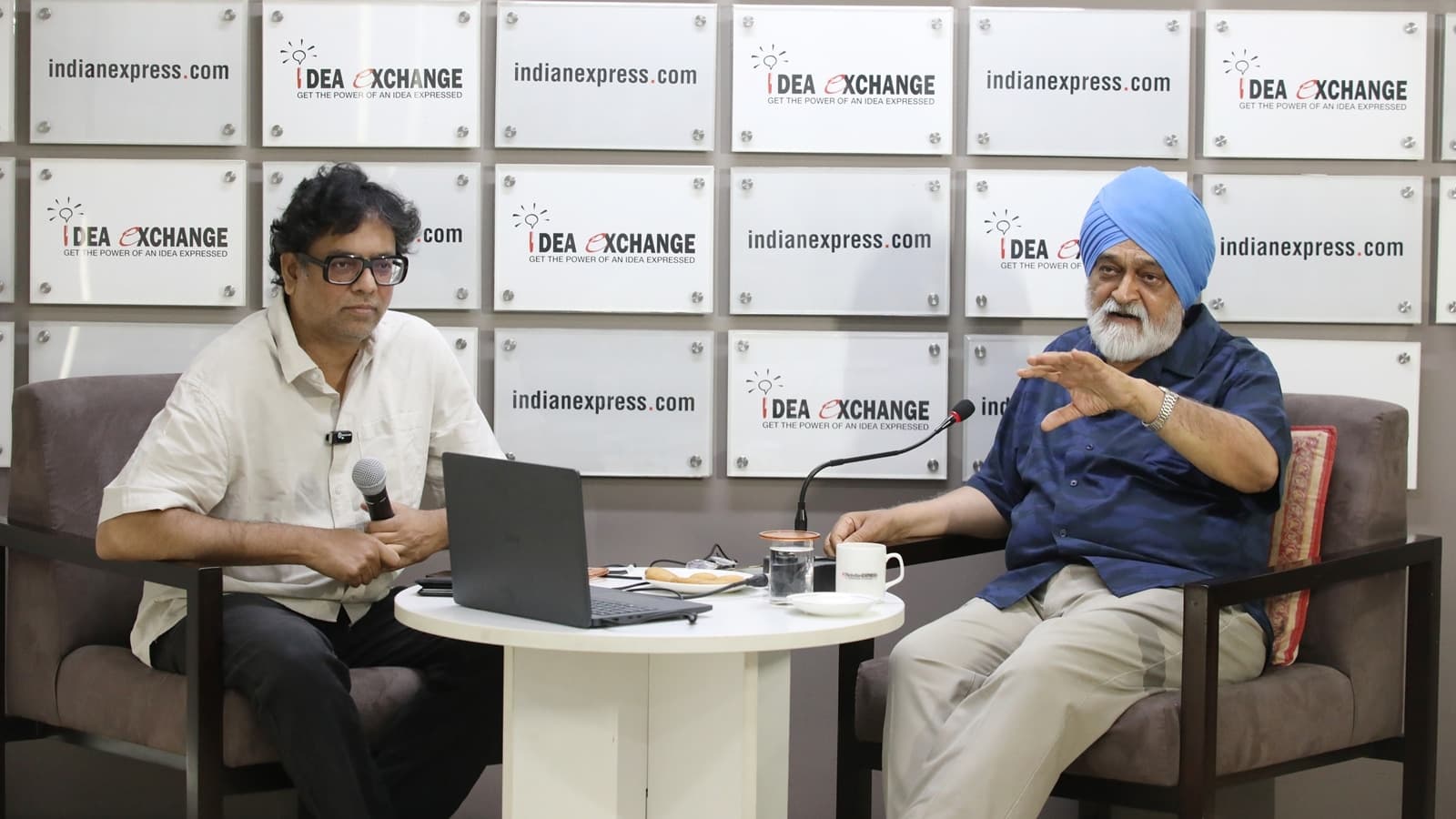
Montek Singh Ahluwalia highlights key economic challenges for India, emphasizing the need for a strategic approach to balance payments and investment.
Indian Express