Glipzo
WorldTechnologyBusinessSportsEntertainmentScienceHealthPolitics
Glipzo
WorldTechnologyBusinessSportsEntertainmentScienceHealthPolitics
  1. Home
  2. /
  3. Business
  4. /
  5. Indian Markets Dip: Sensex and Nifty Decline Amid Tensions
Indian Markets Dip: Sensex and Nifty Decline Amid Tensions

Image: Indian Express

Business
Thursday, April 9, 20263 min read

Indian Markets Dip: Sensex and Nifty Decline Amid Tensions

Indian stock markets decline as Sensex and Nifty fall over 0.3% amid renewed Middle East tensions. What’s next for investors?

Glipzo News Desk|Source: Indian Express
Share
Glipzo

Key Highlights

  • Sensex falls 0.31%, Nifty down 0.37% amid geopolitical tensions.
  • Iran-U.S. ceasefire uncertainty clouds market optimism.
  • Oil prices and international relations could impact Indian economy.
  • Investors advised to watch global developments closely.

In this article

  • Indian Stock Markets React to Global Events
  • Market Sentiment Shifts as Futures Indicate Caution
  • Key Factors Influencing Market Movements - **Escalating Middle East tensions:** Renewed conflicts have raised concerns about stability in oil supply and broader economic impacts. - **Ceasefire uncertainty:** The Iran-U.S. ceasefire, while initially promising, now seems fragile, dampening investor confidence. - **Investor sentiment:** The shift from optimism to caution reflects the volatile nature of stock markets in response to global events.
  • Understanding the Broader Implications
  • Why This Matters The Indian economy is intricately linked with global markets, and geopolitical tensions can lead to increased volatility. For instance, if oil prices surge due to conflict, it could lead to inflationary pressures domestically, affecting consumer spending and corporate profits. Consequently, sectors heavily reliant on oil, such as transportation and manufacturing, may face challenges that could ripple through the economy.
  • What’s Next for Investors?

Indian Stock Markets React to Global Events

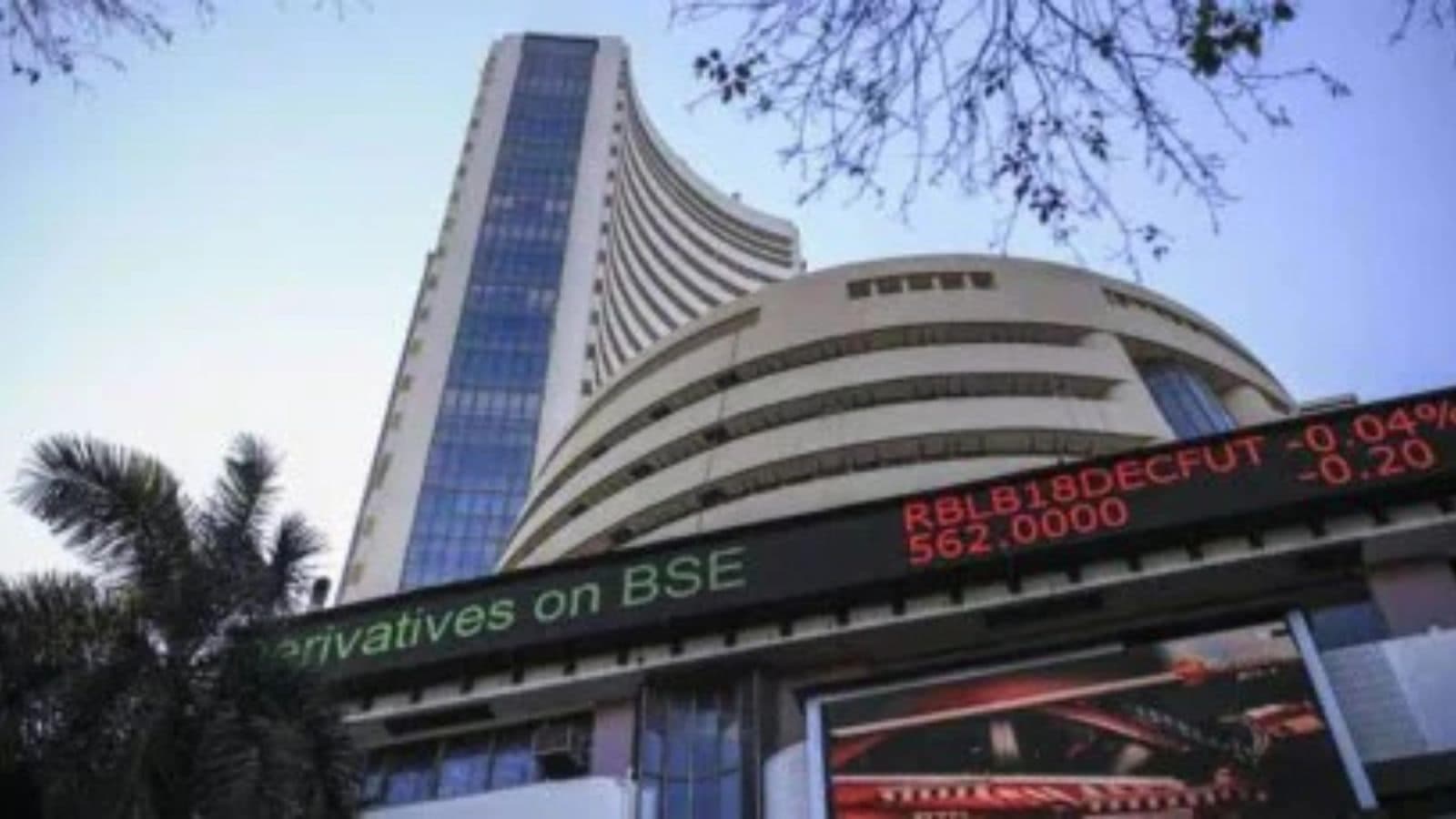
In a significant market shift, Indian stock markets experienced a downturn on Thursday, following a day of notable gains. The Sensex fell by 0.31%, settling at 77,319.33, while the Nifty 50 experienced a slightly steeper decline of 0.37%, reaching 23,909.05. This decline comes on the heels of escalating tensions in the Middle East, which have rekindled concerns over regional stability and its potential impact on global markets.

The renewed hostilities in the region have overshadowed the optimism that followed a ceasefire agreement between Iran and the United States. Investors, who were buoyed by the previous day's rally, are now recalibrating their expectations amidst fears that peace may be more elusive than previously thought. As situations in geopolitics often do, these events can significantly affect investor sentiment and market dynamics.

Market Sentiment Shifts as Futures Indicate Caution

As the day began, GIFT Nifty futures were noted at 24,010, suggesting that the Nifty 50 would likely open close to its previous close of 23,997.35. This further reflects a cautious stance among traders as they digest the implications of the latest developments in the Middle East. With markets responding to global news, the interplay between geopolitics and economic performance remains critical for investors.

Key Factors Influencing Market Movements - **Escalating Middle East tensions:** Renewed conflicts have raised concerns about stability in oil supply and broader economic impacts. - **Ceasefire uncertainty:** The Iran-U.S. ceasefire, while initially promising, now seems fragile, dampening investor confidence. - **Investor sentiment:** The shift from optimism to caution reflects the volatile nature of stock markets in response to global events.

Understanding the Broader Implications

The decline in the Indian stock markets is not an isolated incident. It is part of a larger narrative where geopolitical tensions can have far-reaching consequences for economies worldwide. Investors are advised to keep a close eye on ongoing developments, as fluctuations in oil prices and international relations can drive market performance.

Why This Matters The Indian economy is intricately linked with global markets, and geopolitical tensions can lead to increased volatility. For instance, if oil prices surge due to conflict, it could lead to inflationary pressures domestically, affecting consumer spending and corporate profits. Consequently, sectors heavily reliant on oil, such as transportation and manufacturing, may face challenges that could ripple through the economy.

What’s Next for Investors?

Looking ahead, investors should prepare for potential volatility as the situation in the Middle East evolves. Key indicators to watch include: - Oil Prices: Fluctuations could signal broader economic impacts. - Government Policies: Any governmental response to geopolitical tensions could sway market dynamics. - Corporate Earnings: Companies may adjust projections based on the changing economic landscape.

As we move forward, staying informed about both local and international news will be vital for making strategic investment decisions. The interconnectedness of global markets means that developments abroad can significantly impact domestic performance, and investors must remain agile in response to these changes.

In conclusion, while the Indian stock markets may have dipped in response to renewed tensions, the underlying economic fundamentals and investor strategies will ultimately dictate future performance. Keeping a pulse on geopolitical events will be essential for navigating the uncertain waters ahead.
Did you find this article useful? Share it!

Share

Related Articles

Major Guilty Plea: Evergrande's Founder Admits Fraud Charges
Business
Apr 14, 2026

Major Guilty Plea: Evergrande's Founder Admits Fraud Charges

Evergrande founder Hui Ka Yan pleads guilty to fraud amid the company's collapse, impacting China's property sector. What does this mean for the future?

BBC Business
Sonu Nigam Sells Rs 1.95 Crore Agricultural Land in Raigad
Business
Apr 14, 2026

Sonu Nigam Sells Rs 1.95 Crore Agricultural Land in Raigad

Sonu Nigam's sale of Rs 1.95 crore agricultural land in Raigad reveals growing interest in rural real estate and agri-tourism. Discover the details!

Bollywood Hungama
Oil Prices Fall Amid Renewed US-Iran Peace Negotiations
Business
Apr 14, 2026

Oil Prices Fall Amid Renewed US-Iran Peace Negotiations

Oil prices dip as US-Iran peace talks gain traction. Discover how these developments could impact global energy markets and economic stability.

BBC Business

Categories

  • World
  • Technology
  • Business
  • Sports

More

  • Entertainment
  • Science
  • Health
  • Politics

Explore

  • Web Stories
  • About Us
  • Contact

Legal

  • Privacy Policy
  • Terms of Service

© 2026 Glipzo. All rights reserved.