
Image: Mint (Business)
India waives customs duties on petrochemicals until June to counter inflation and supply issues caused by the Iran war. Learn more about the impact on industries.
GlipzoIn a significant economic maneuver, India’s government has announced a temporary waiver of customs duties on 40 critical petrochemical feedstocks and intermediates. This measure, effective until the end of June, is designed to protect the domestic industry from the fallout of the ongoing Iran war and ensure stability within the country’s supply chains.
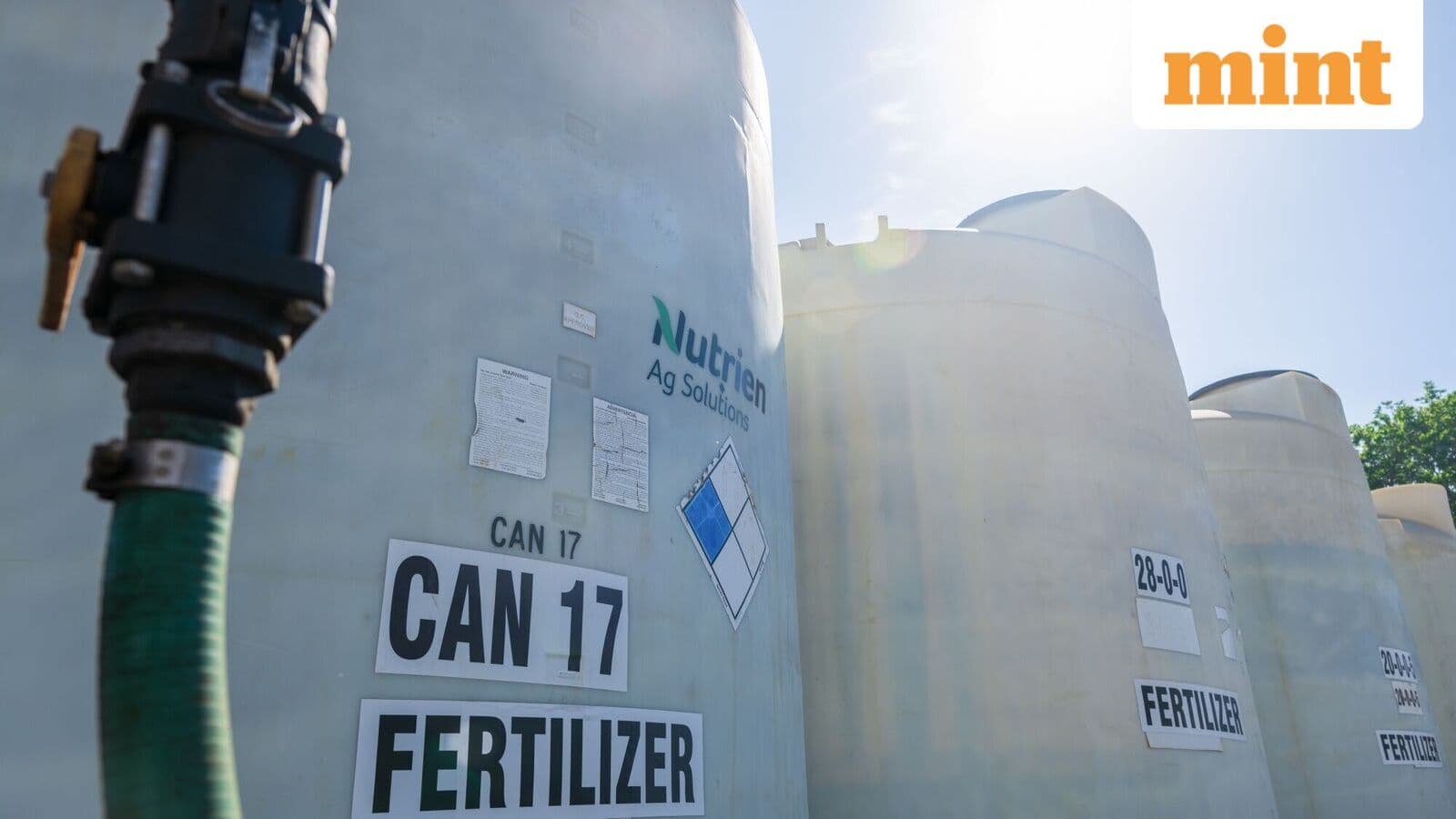
The announcement was made by the finance ministry on Thursday, emphasizing the importance of these petrochemicals, particularly ammonia, which is vital for fertilizer production. This decision is particularly crucial in light of food security concerns that arise from potential supply disruptions caused by geopolitical tensions.
The finance ministry described the initiative as a targeted relief effort aimed at easing cost pressures on various sectors that depend heavily on petrochemical inputs. These sectors include: - Plastics - Packaging - Textiles - Pharmaceuticals - Chemicals - Automotive components
These industries rely on petrochemicals for a range of products such as pharmaceuticals, detergents, adhesives, polyester, and packaging materials. By waiving customs duties, the government aims to stabilize prices and maintain a steady supply of these essential materials, thus mitigating the risk of inflation.
The move is part of a broader strategy to limit the impact of the Iran conflict on domestic inflation rates. Economists have raised alarms about the potential for supply disruptions to contribute to rising inflation and interest rates on a global scale, as the repercussions of the war ripple through trade networks. India’s retail inflation, as measured by the Consumer Price Index (CPI), increased to 3.21% in February, up from 2.74% in January. This rise was influenced by escalating prices of precious metals, personal care products, and certain food items. March inflation data is anticipated to be released in mid-April, which could provide further insights into the economic landscape.
By lowering input costs through the waiver, the Indian government also aims to bolster the competitiveness of local manufacturers. With global trade flows being disrupted due to the conflict and various tariff actions from the United States, domestic industries face significant challenges. The finance ministry’s February economic review pointed to the potential ramifications of the Iran war on economic growth, inflation, fiscal balances, and external accounts, warning of considerable downside risks to its growth projection for FY27, estimated at 7-7.4%.
This latest relief effort follows the government’s recent decision to cut import duties on petrol and diesel, while also imposing export taxes on jet fuel and diesel to alleviate pressure on oil retailers. These actions are part of a comprehensive approach to protect consumers from rising fuel prices and ensure sufficient domestic supplies.
The waiver of customs duties on petrochemicals is a critical step in safeguarding India's economic stability amid an uncertain global landscape. With supply chains under threat from geopolitical events, this proactive measure not only addresses immediate concerns over inflation but also positions Indian industries to remain competitive in a rapidly changing market. As the situation unfolds, close attention will be paid to how this policy impacts prices and production levels across affected sectors.
Moving forward, stakeholders across various industries will be keenly observing the effects of this duty waiver as well as upcoming inflation data. The government's responsiveness to global events will be crucial in maintaining economic stability. Analysts will also watch for further adjustments in trade policies, especially if the conflict escalates or other supply chain issues arise.
As India navigates these turbulent times, the interplay between geopolitical events and domestic economic policy will significantly shape the outlook for both manufacturers and consumers alike. The effectiveness of these measures in curbing inflation and stabilizing supply chains may determine the trajectory of India's economic growth in the coming months.

Commercial LPG prices have risen again, with increases of ₹42 in Delhi and ₹53.50 in Kolkata impacting businesses and consumers alike. Find out more.
Indian Express
Discover how a tragic coal mine explosion in Shanxi, China, reveals ongoing safety concerns in the industry amidst a push for green energy.
BBC Business
Montek Singh Ahluwalia highlights key economic challenges for India, emphasizing the need for a strategic approach to balance payments and investment.
Indian Express