
Image: Mint (Business)
India is implementing new customs measures to assist exporters affected by the Hormuz Strait disruptions, easing costs and facilitating cargo recovery.
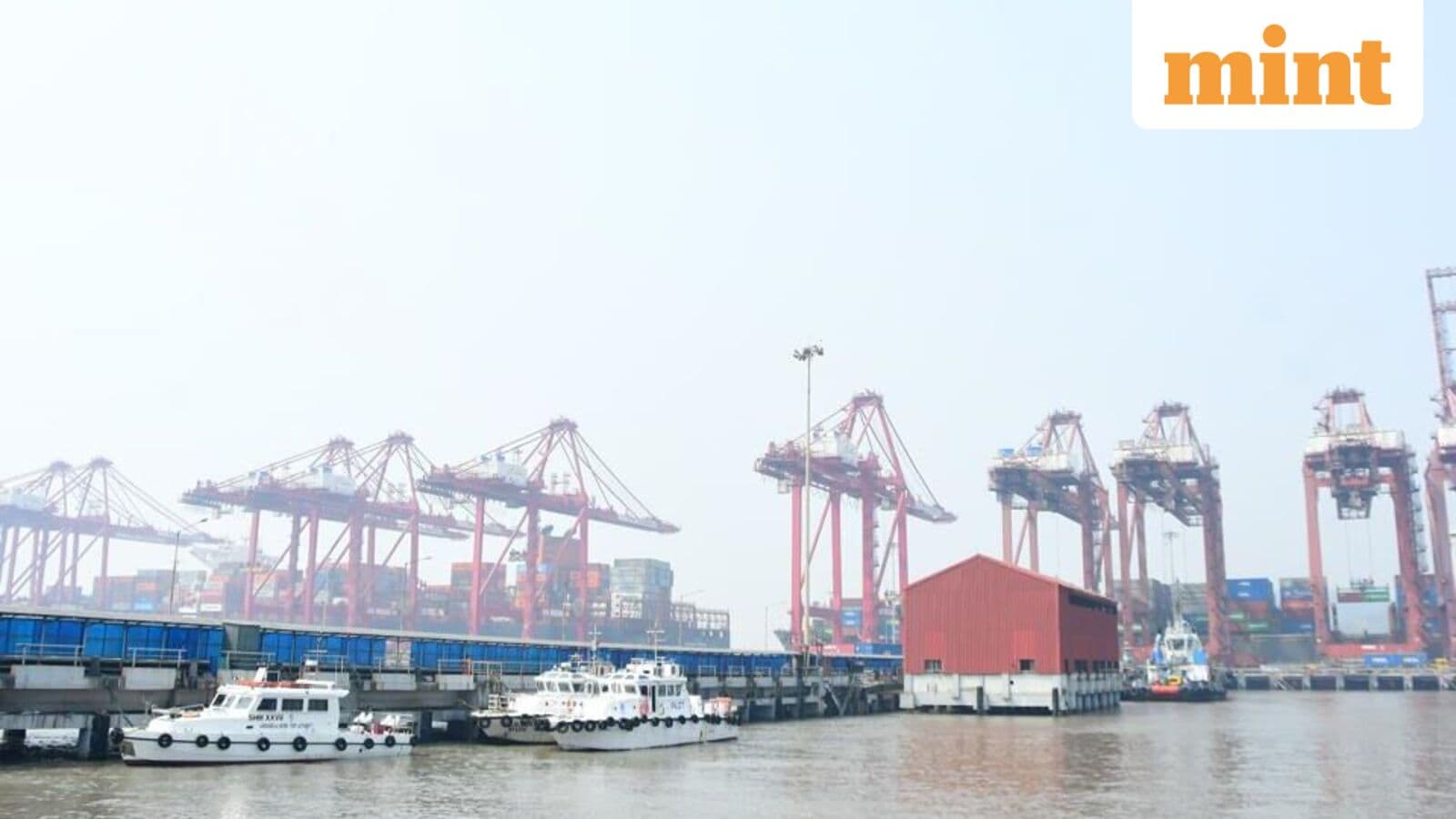
GlipzoNew Delhi is taking significant steps to assist exporters grappling with the fallout from the Strait of Hormuz disruptions, a critical shipping route affected by escalating tensions in the US-Iran conflict. In a decisive move, the Indian government has initiated a comprehensive customs and logistics strategy aimed at addressing the challenges faced by exporters due to delayed shipments and cargo stranded at ports.
On Tuesday, the Central Board of Indirect Taxes and Customs (CBIC) issued a circular under Section 143AA of the Customs Act, 1962, which outlines new protocols for handling cargo that can't proceed to its intended destination. This initiative allows exporters to reintegrate stranded cargo into the domestic supply chain while reducing the financial strain of storage and handling costs.
Key features of the new measures include: - Fresh Arrival Manifests: Shipping lines can now file new arrival manifests at the port where the cargo lands, streamlining the process for verification of containers. - Mandatory Inspections: All containers exhibiting tampered seals will be subjected to a 100% examination. - Sea Arrival Manifest Requirement: If a vessel docks at a different Indian port instead of its original destination, a Sea Arrival Manifest (SAM) must be filed, using a dummy port code for administrative purposes.
This circular is a crucial step towards ensuring that exporters can reclaim cargo efficiently. Customs authorities are now mandated to facilitate communication between the port of landing and the original port of export, ensuring that any export incentives, such as IGST refunds or duty drawbacks, are appropriately managed.
For exporters wishing to retrieve their cargo, customs officials are instructed to verify whether any incentives have been issued and to initiate the cancellation of shipping bills and Let Export Orders (LEOs). This process aims to streamline the recovery of funds that may have already been disbursed.
Additionally, the circular introduces a “Back to Town” clearance system, permitting exporters to return cargo to domestic markets after verification. This is a pivotal development, allowing businesses to mitigate losses from unsold or stranded goods.
Furthermore, a significant procedural change is underway, which allows for the cancellation of shipping bills even after filing the general export manifest. Such cancellations will be communicated to relevant agencies, including the Reserve Bank of India (RBI) and the Director General of Foreign Trade (DGFT), through the Indian Customs Electronic Data Interchange Gateway (ICEGATE).
Amid these regulatory changes, the Container Corporation of India (CONCOR) is also stepping in to provide support. The state-run entity has introduced temporary relief measures at its inland container depots (ICDs), where numerous export containers are currently stranded.
CONCOR’s relief measures include: - 30 Days Free Storage: An additional month of free storage for export containers. - Discounts on Reefer Containers: A 30% discount on plug-in charges for refrigerated containers to help exporters manage perishable goods. - Waiving of Certain Charges: Terminal, infrastructure, and equipment imbalance charges will be waived if containers are returned promptly. - Rail Freight Discounts: A 5% discount on rail freight for containers returned from ports to ICDs.
These initiatives are designed to alleviate the immediate financial impact on exporters and reflect the government's commitment to supporting its trade sector during this challenging period.
In light of the disruptions, the customs circular also temporarily expands international transshipment protocols. This allows for the movement of less-than-container load (LCL) cargo from all notified ports and airports until March 31, provided that specific safeguards are in place. Customs authorities will have the discretion to extend these provisions based on the capacity of storage and logistics.
Additionally, the circular authorizes the temporary unloading and storage of liquid bulk and break-bulk cargo diverted to Indian ports, strictly under customs supervision to prevent these goods from entering the domestic market unlawfully.
The measures introduced by the Indian government are crucial for exporters dealing with the repercussions of geopolitical tensions. The Strait of Hormuz, a vital artery for global oil transport, has faced increased scrutiny, leading to shipping disruptions. By facilitating the return of stranded cargo and reducing associated costs, the government aims to stabilize the export sector and foster resilience amid ongoing uncertainties.
As the situation evolves, exporters should be aware of the upcoming support measures that the commerce ministry plans to announce, which could further assist businesses in navigating this crisis. Commerce Secretary Rajesh Agrawal has indicated that a detailed briefing will be shared soon, highlighting additional steps to bolster exports during this tumultuous period in the Middle East.
As India implements these critical measures, exporters need to stay informed about the evolving landscape. Key areas to monitor include: - Further Support Initiatives: Will the commerce ministry introduce additional supportive measures for exporters? - Impact on Shipping Operations: How will ongoing geopolitical tensions affect shipping operations and costs moving forward? - Long-term Changes: Are there indications of permanent changes in customs and trade regulations as a response to these disruptions?
In conclusion, while the current geopolitical climate poses significant challenges, the proactive measures being taken by India reflect a commitment to sustaining its export economy. Stakeholders must remain vigilant and adaptable as they navigate this complex terrain.
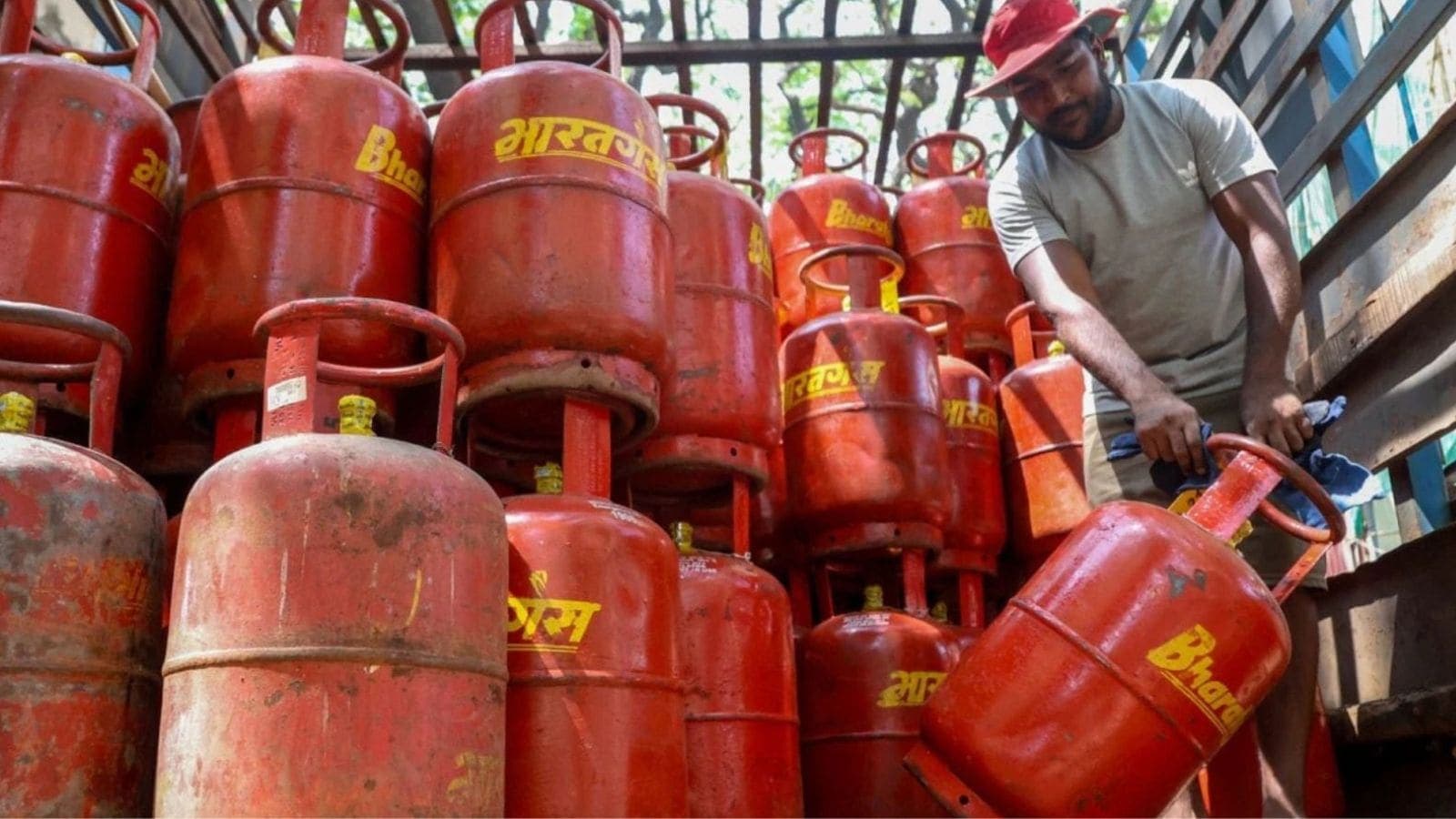
Commercial LPG prices have risen again, with increases of ₹42 in Delhi and ₹53.50 in Kolkata impacting businesses and consumers alike. Find out more.
Indian Express
Discover how a tragic coal mine explosion in Shanxi, China, reveals ongoing safety concerns in the industry amidst a push for green energy.
BBC Business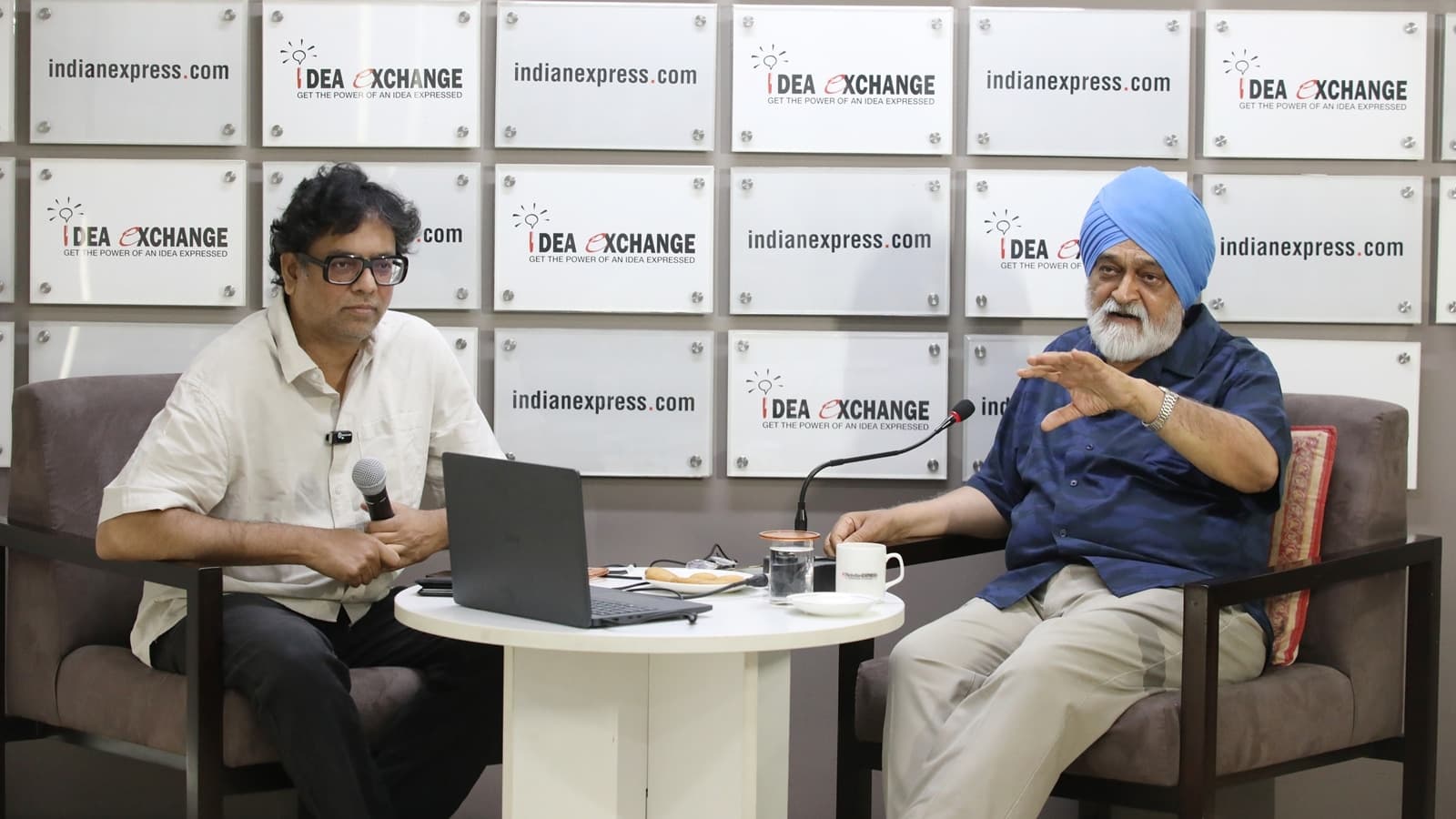
Montek Singh Ahluwalia highlights key economic challenges for India, emphasizing the need for a strategic approach to balance payments and investment.
Indian Express