India secures talks with Iran for safe passage of LPG and oil vessels, addressing a pressing energy shortage. What’s next for India's energy security?
India and Iran Collaborate for Energy Security
The **Indian government** is actively engaging with **Iranian authorities** to ensure the safe transit of **six vessels** carrying **liquefied petroleum gas (LPG)** and **two oil carriers** through the **Strait of Hormuz**. This initiative aims to alleviate the short-term shortage of cooking gas in India, a country heavily reliant on imports for its energy needs.
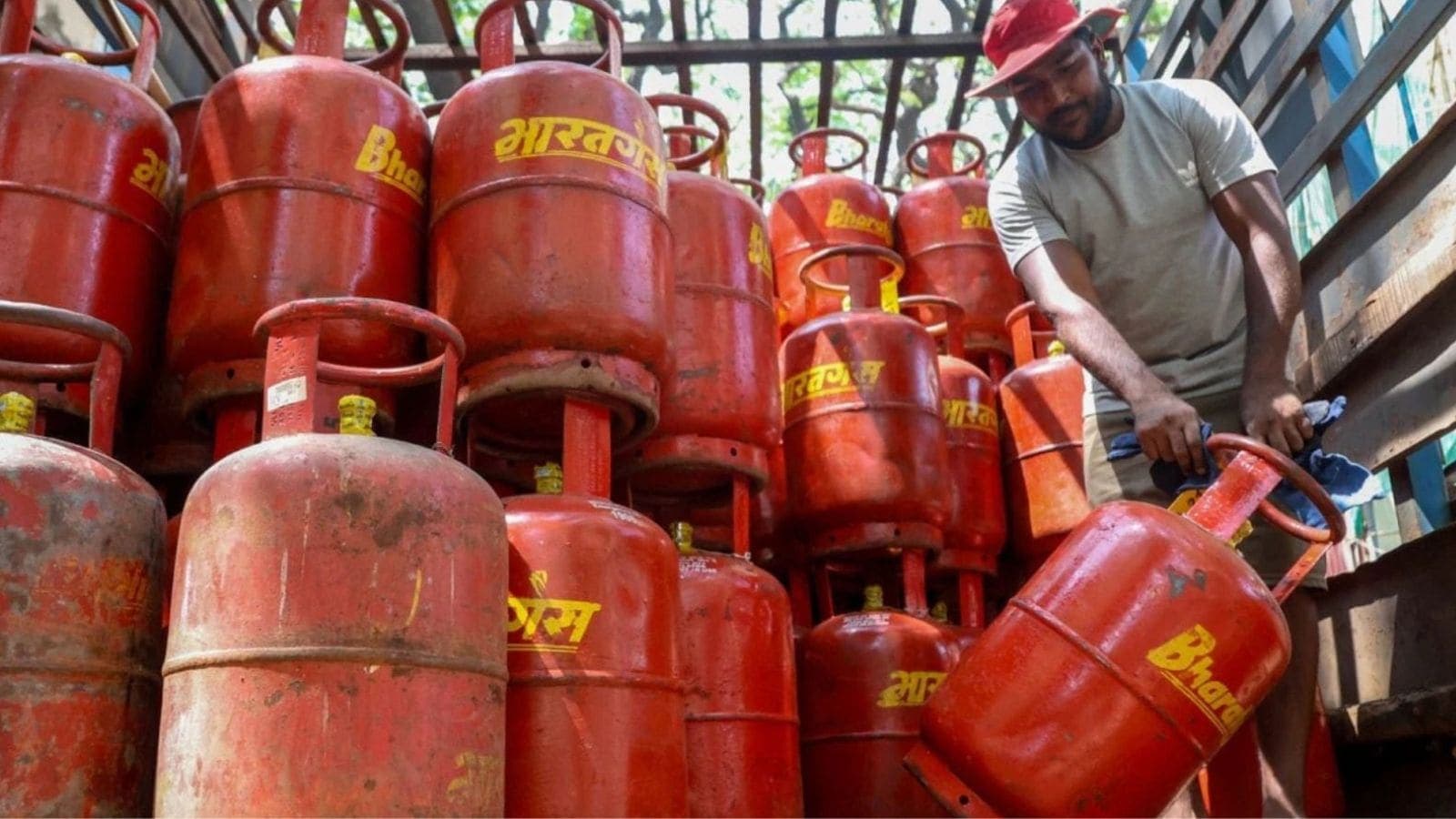
These LPG tankers are transporting approximately 270,000 tonnes of cooking gas, which is sufficient to fill around 1.9 million domestic cylinders of 14.2 kg capacity, translating to about three days of consumption for households across India. Discussions between the two nations are progressing positively, with a plan to stagger the passage of these vessels to ensure a smooth and secure journey.
Strategic Importance of the Strait of Hormuz
The **Strait of Hormuz** is a crucial maritime route, particularly for Indian energy security, as it facilitates about **90% of India's LPG imports** and **50% of crude oil imports**. Currently, a total of **22 Indian-flagged vessels** are stranded on the western side of this strategic strait, including **six LPG carriers**, **four crude oil transporters**, and **one liquefied natural gas (LNG)** vessel. The Indian ports on the western coast have been advised to keep anchorage space ready to facilitate the unloading of these essential supplies as soon as the vessels arrive.
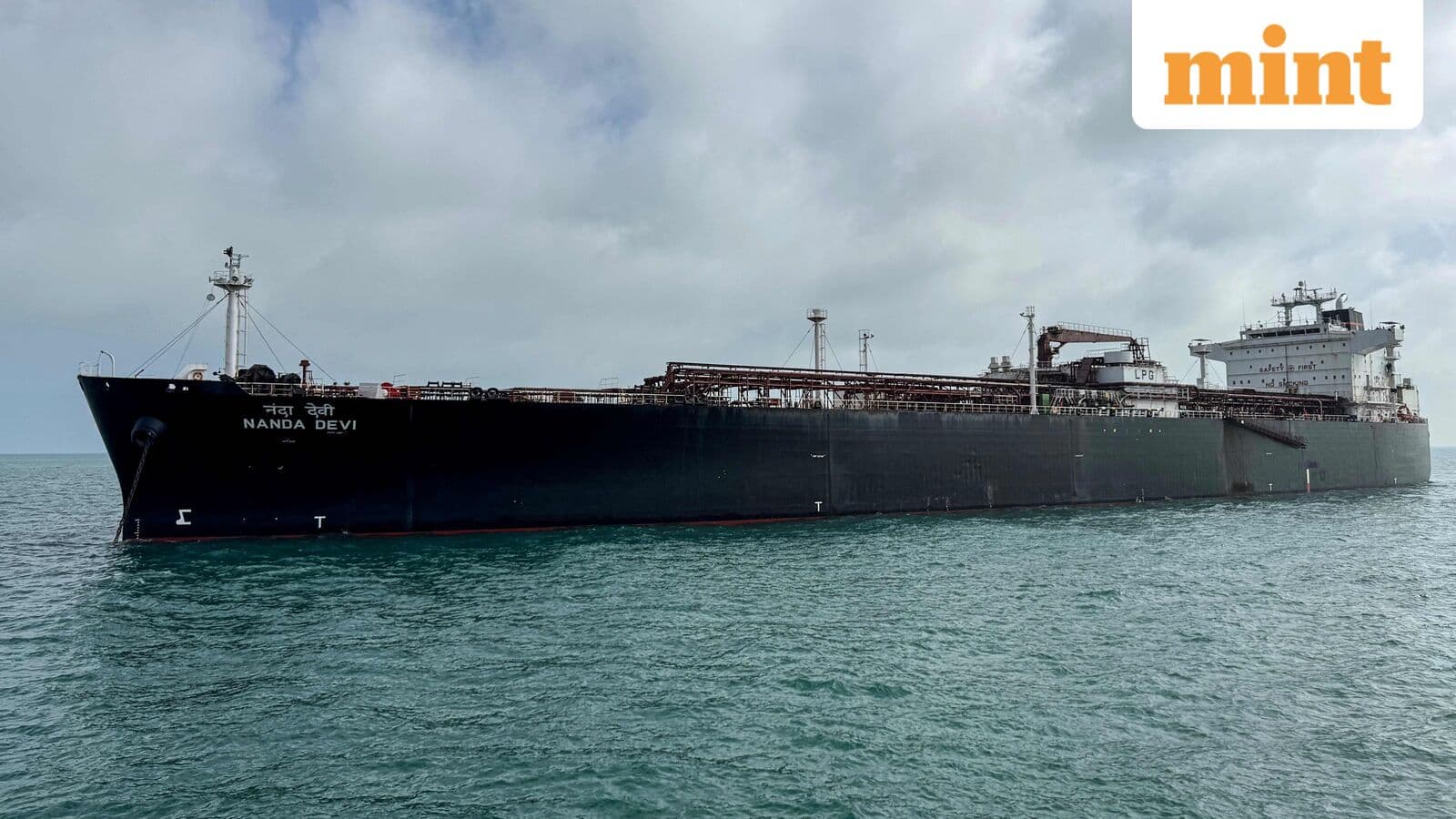
Among the vessels, two LPG carriers have successfully crossed the strait. The Shivalik reached Mundra port on Monday evening, while the Nanda Devi docked at Kandla port on Tuesday. There are hopes that the crude oil tanker Jag Laadki will soon follow suit, completing its journey from the UAE.
Addressing the Domestic Shortage
This diplomatic intervention comes at a time when India is facing significant challenges in ensuring a steady supply of cooking gas for households. A reported scarcity has triggered a rush for electric stoves and led many restaurants to reduce operations. While the government assures that sufficient stocks are available, cities across India are witnessing panic buying and long queues for LPG cylinders. This situation has prompted the government to explore alternative sources for gas imports from countries ranging from **Morocco** to **Belarus**. Simultaneously, refiners are ramping up LPG production, prioritizing it over other downstream products like petrochemicals.
Queries directed towards various ministries, including ports, shipping, external affairs, and petroleum, as well as the Iranian embassy in New Delhi, have yet to receive responses.
Risks and Challenges Ahead
Despite the positive developments, experts have raised concerns about the inherent risks involved in ensuring safe passage for these LPG cargoes. As noted by **Sourav Mitra**, a partner at **Grant Thornton Bharat**, the transit through the Strait of Hormuz remains fraught with potential maritime incidents, especially given that it is an active conflict zone. Any disruptions could significantly affect supply lines and operational logistics in India.
Mitra emphasized the critical nature of ensuring safe passage for Indian vessels, stating, “Ensuring safe passage for LPG cargoes bound for Indian shores remains critical, especially with the Iranian government's indications that non-US and non-Israeli vessels will be allowed transit.”
Former Mumbai Port Authority chairman Rajiv Jalota also highlighted the importance of safe passage for crude and gas ships, noting that many vessels transporting these resources are Indian-flagged and crewed by Indian seafarers. He expressed optimism about the ongoing diplomatic efforts yielding positive results, stating, “I am extremely hopeful that gradually more ships can safely transit the Strait of Hormuz.”
Looking Forward: What’s Next for Indian Energy Security?
As discussions between India and Iran progress, the focus will remain on ensuring the safe transit of these vessels. The government's commitment to maintaining energy security is paramount, particularly in the face of rising domestic demand and supply chain challenges.
Key Takeaways:
- India is negotiating with Iran for the passage of **six LPG and two oil vessels** through the crucial **Strait of Hormuz**.
- The LPG carriers hold **270,000 tonnes** of cooking gas, enough for **1.9 million** households.
- **22 Indian-flagged vessels** are currently stranded in the region, with ongoing efforts to secure their safe passage.
- Domestic demand for LPG has surged, leading to panic buying and potential shortages.
- Experts caution about the risks involved in maritime transit through the conflict-prone strait.
As the situation develops, stakeholders will be closely monitoring the outcomes of these diplomatic efforts and the subsequent impact on India's energy landscape. The strategic nature of this region and the ongoing geopolitical tensions underscore the importance of stable energy supplies for India’s economic stability and growth.