

Image: Mint (Business)
India launches an anti-dumping investigation into phthalic anhydride imports from Taiwan, raising concerns for local manufacturers. Discover why this matters.
GlipzoIn a significant move for domestic manufacturers, India has commenced an anti-dumping investigation concerning the imports of phthalic anhydride from Taiwan. This critical industrial chemical is essential in manufacturing various products, including plastics and paints. The notification, released by the Ministry of Commerce and Industry, highlights the increasing concerns from local producers who believe they are being pushed out of the market due to unfair pricing practices by Taiwanese exporters.
The probe, spearheaded by the Directorate General of Trade Remedies (DGTR), was initiated following complaints from IG Petrochemicals Ltd, Thirumalai Chemicals Ltd, and TCL Intermediates Pvt Ltd. These companies assert that the surge in imports from Taiwan has occurred at a time when overall imports of phthalic anhydride into India have declined. This discrepancy raises alarm bells regarding potential price suppression and the adverse effect on the capacity utilization of domestic producers.
According to the notification, the investigation will focus on transactions between October 1, 2024, and September 30, 2025. The analysis will encompass trends over the previous three financial years, providing a comprehensive view of market dynamics. This in-depth examination aims to determine whether the Taiwanese imports are being sold at prices below their normal market value, subsequently causing material injury to Indian manufacturers.
The notification, dated March 12, underscores the urgency of the situation. Companies involved in the complaint allege that the pricing strategies of Taiwanese manufacturers are detrimental to their operations, leading to a loss of market share and financial instability.
The DGTR's investigation will rigorously evaluate whether the allegations of dumping are valid and if such practices have indeed harmed the domestic industry. Should the investigation confirm the claims, it could lead to the recommendation of anti-dumping duties designed to counteract the unfair pricing practices observed in the market.
The preliminary findings indicate that the alleged dumping margins exceed the de minimis level, providing a strong rationale for the initiation of this formal investigation. Anti-dumping measures are crucial for protecting domestic industries from foreign competition that engages in predatory pricing strategies, ensuring a level playing field in the marketplace.
Experts are weighing in on the potential impact of this investigation. Jaijit Bhattacharya, founder and president of the Centre for Digital Economy Policy Research (C-DEP), emphasized the importance of India's anti-dumping framework in maintaining fair competition. He stated, "India’s anti-dumping framework is designed to maintain a level playing field for domestic manufacturers. If imports are found to be priced below fair market value and causing injury to local industry, corrective duties can help restore competitive neutrality in the market."
As the investigation progresses, stakeholders across the industry will be keeping a close watch on the developments. The outcome of this probe could have significant ramifications for both domestic manufacturers and Taiwanese exporters. If the allegations are substantiated, it may lead to increased costs for consumers and businesses reliant on phthalic anhydride, impacting pricing strategies across various sectors.
In the broader context, the investigation reflects India’s commitment to protecting its manufacturing industry from unfair international competition. As the global market continues to evolve, this scrutiny on imports could signal a trend towards more rigorous enforcement of trade regulations, particularly in the chemical sector.
The implications of this anti-dumping investigation extend beyond just the chemical industry. It highlights the ongoing challenges faced by domestic manufacturers in an increasingly competitive global market. As India seeks to bolster its manufacturing capabilities, the outcomes of such investigations will play a pivotal role in shaping the future landscape of trade and industry in the country. Stakeholders should prepare for potential shifts in pricing and availability of key industrial chemicals as the investigation unfolds, and businesses must remain vigilant to adapt to changing market conditions.
Stay tuned for further updates as the DGTR's investigation progresses and the situation evolves.
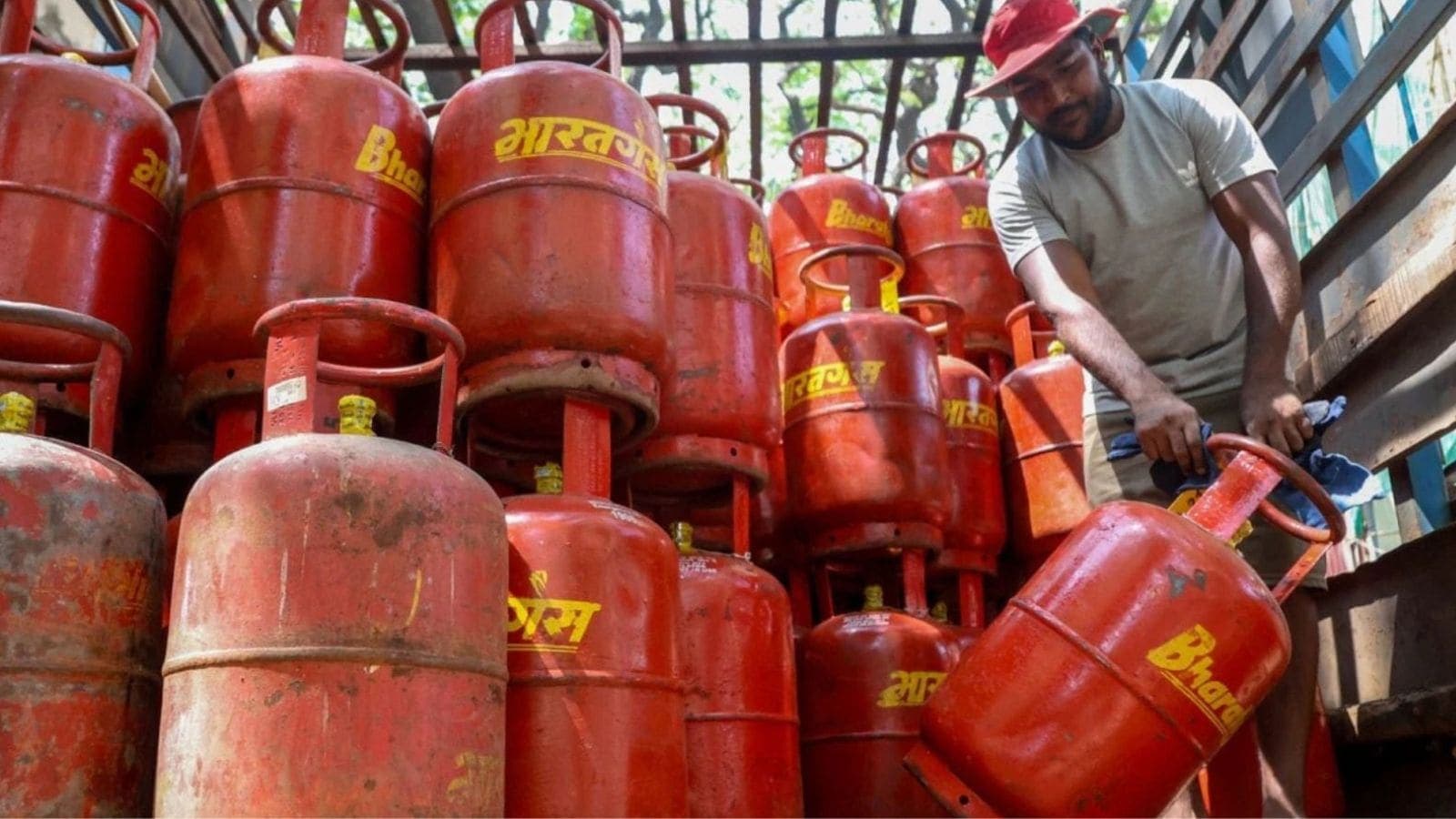
Commercial LPG prices have risen again, with increases of ₹42 in Delhi and ₹53.50 in Kolkata impacting businesses and consumers alike. Find out more.
Indian Express
Discover how a tragic coal mine explosion in Shanxi, China, reveals ongoing safety concerns in the industry amidst a push for green energy.
BBC Business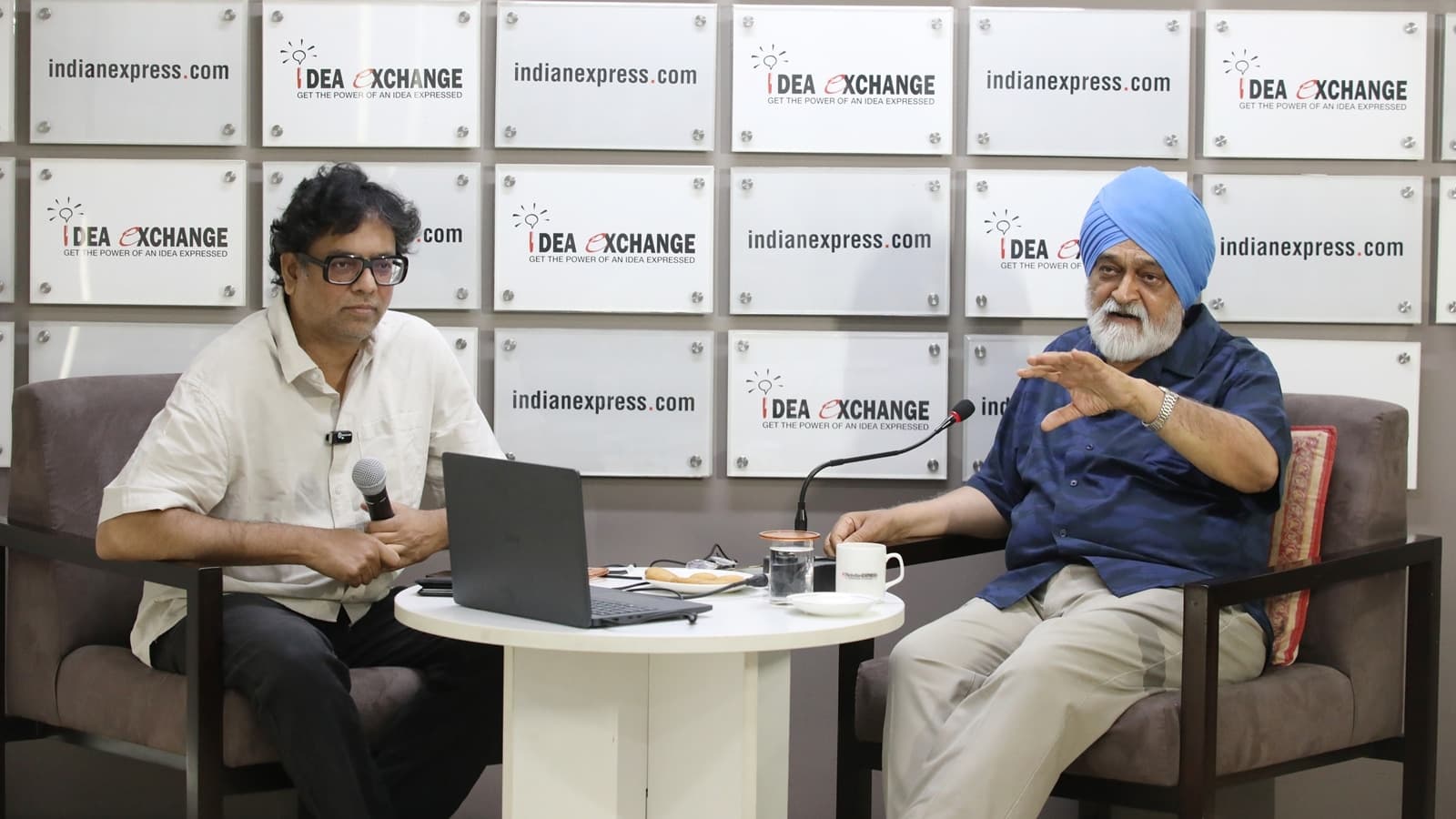
Montek Singh Ahluwalia highlights key economic challenges for India, emphasizing the need for a strategic approach to balance payments and investment.
Indian Express