
Image: Mint (Business)
India reduces port charges amid Hormuz blockade crisis, aiding stranded vessels. Discover how this impacts shipping and energy supply.
GlipzoIn light of the escalating conflict in West Asia and the subsequent closure of the Strait of Hormuz, India has taken significant steps to assist shipping companies facing unprecedented challenges. The government announced a temporary reduction in port charges for vessels stranded due to the ongoing blockade. Rajesh Kumar Sinha, the special secretary in the ministry of ports, shipping, and waterways, confirmed these measures, emphasizing that it aims to ease the burden on shipping and cargo owners.
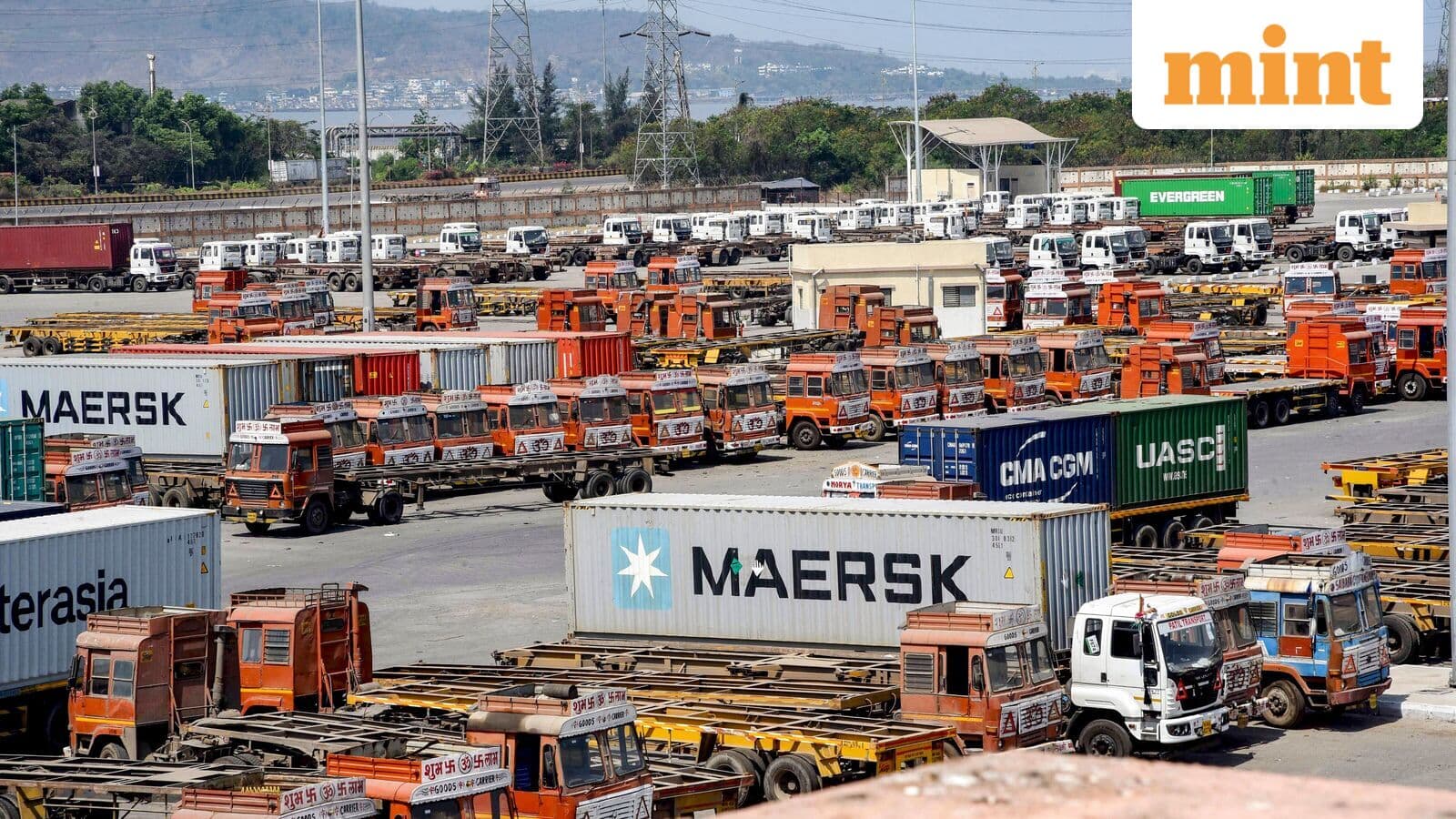
Jawaharlal Nehru Port Authority (JNPA), which manages India's largest container port located in Navi Mumbai, has implemented a special transshipment storage plan for containers destined for West Asia. Sinha outlined that the port is offering a 100% rebate on ground rent and dwell time charges for up to 15 days, as well as an 80% rebate on reefer container plug-in charges. This initiative is crucial for maintaining the flow of goods amid the turmoil in the region.
The term dwell time refers to how long a container remains at the port terminal before being dispatched. With the current geopolitical climate, the duration has become a significant concern for shipping lines. The extended dwell time for many vessels can lead to increased costs and logistical complications.
As part of the relief measures, Sinha reported that both liquefied petroleum gas (LPG) tankers and crude carriers are making their way to India. Notably, a crude carrier transporting 80,800 metric tonnes of Murban crude oil from the United Arab Emirates (UAE) is currently en route, along with two LPG tankers scheduled to arrive shortly.
At present, 22 Indian-flagged vessels carrying 611 seafarers are stranded to the west of the Persian Gulf. The Directorate General of Shipping is actively monitoring the situation in collaboration with ship owners and Indian missions in the region. Sinha noted that two Indian-flagged LPG carriers successfully crossed the Strait of Hormuz on March 14, with one vessel, Shivalik, set to dock at Mundra Port shortly after.
The swift response from Indian authorities underscores the importance of maintaining supply chains and supporting the maritime industry during this crisis. The JNPA is not only focused on easing port charges but also on ensuring that port operations remain efficient and effective.
To further alleviate pressure on the LPG supply chain, the government is encouraging a transition from LPG to piped natural gas (PNG). Sujata Sharma, joint secretary in the ministry of petroleum and natural gas, shared that city gas distribution networks are offering incentives to consumers, including a ₹500 free gas incentive from Indraprastha Gas Ltd, a collaboration of state-run oil marketing companies.
These incentives aim to promote the adoption of PNG, particularly among households that currently rely on LPG. Sharma pointed out that approximately 60 lakh household LPG consumers could transition to PNG in the near future, which could significantly impact domestic energy consumption patterns.
In light of the ongoing crisis, the domestic production of LPG in India has surged by 36% since the conflict began in February. This increase is crucial for meeting the country's energy demands and ensuring that supply remains stable during turbulent times. Sharma also noted that refineries are operating at peak capacity to bolster production and meet the heightened demand for LPG.
The government is not only focused on immediate relief measures but is also working to expand the city gas distribution (CGD) network across India. The Petroleum and Natural Gas Regulatory Board has urged CGD entities to expedite resource deployment and enhance the efficiency of existing connections, which could help mitigate any potential supply shortages.
As the situation in West Asia continues to evolve, major ports across India are closely monitoring vessel movements and cargo operations. The collaboration between port authorities, customs, and stakeholders is vital for facilitating cargo operations and ensuring that shipping lines receive necessary support.
Sinha reiterated that ports are actively coordinating with all relevant stakeholders to streamline processes and minimize the impact of the crisis on shipping operations. This level of cooperation is essential for maintaining maritime trade flows and supporting the economy during challenging times.
Looking forward, the situation in the Strait of Hormuz remains precarious, and shipping companies need to stay vigilant. As the Indian government continues to implement measures to support the maritime sector, stakeholders should prepare for ongoing developments in the region.
With the proactive steps being taken, including incentives for transitioning to PNG and the reduction of port charges, Indian authorities are working diligently to safeguard the nation's shipping interests. It will be crucial to monitor the geopolitical landscape and its potential implications for global trade and energy supplies in the coming months.
In summary, India's strategic response to the Hormuz blockade serves as a testament to its commitment to ensuring energy security and supporting the shipping industry amidst global uncertainties.

Commercial LPG prices have risen again, with increases of ₹42 in Delhi and ₹53.50 in Kolkata impacting businesses and consumers alike. Find out more.
Indian Express
Discover how a tragic coal mine explosion in Shanxi, China, reveals ongoing safety concerns in the industry amidst a push for green energy.
BBC Business
Montek Singh Ahluwalia highlights key economic challenges for India, emphasizing the need for a strategic approach to balance payments and investment.
Indian Express