
Image: Mint (Business)
India denies any U.S. talks on deploying warships to the Strait of Hormuz, emphasizing diplomacy amid rising tensions and global oil price surges.
GlipzoIn a significant statement on Monday, India’s Ministry of External Affairs (MEA) confirmed that it has not engaged in any bilateral discussions with the United States regarding the potential deployment of naval forces to ensure safe passage through the Strait of Hormuz. This clarification comes in the wake of U.S. President Donald Trump’s call for multiple nations to contribute warships to this crucial maritime corridor, which is vital for global oil transportation.
The MEA’s spokesperson, Randhir Jaiswal, addressed the media, stating, "We are aware of this particular matter being discussed by several countries. We have not yet discussed it in a bilateral setting." This remark was made following inquiries about whether the United States had reached out to India for military support in the region. Jaiswal emphasized that India would continue to engage with various stakeholders concerning the situation, indicating a diplomatic approach rather than military involvement.
Amidst rising tensions in West Asia, India has consistently advocated for de-escalation and dialogue. Jaiswal reiterated India's position, urging all involved nations to exercise restraint and engage in diplomatic efforts to resolve conflicts. "We have and we continue to call for de-escalation, for exercise of restraint and for countries to adopt the path of dialogue and diplomacy so that there can be an early end to this conflict," he remarked.
The importance of the Strait of Hormuz cannot be understated, as it serves as a critical artery for approximately 20% of the world's oil and liquefied natural gas supplies. The recent obstruction by Iran has sent oil and gas prices soaring, raising alarms about the potential disruptions in global energy markets.
In a social media post, President Trump expressed his hope that nations including China, France, Japan, South Korea, and the United Kingdom would deploy naval forces to the Strait of Hormuz to maintain its safety and openness. However, as of now, there has been no definitive response from these major powers regarding military support in the region.
In contrast, China has called for immediate cessation of military actions in West Asia, highlighting the need to ensure that the Strait of Hormuz remains accessible for international maritime trade. This underscores the delicate balance of interests at play, as various countries navigate the complexities of regional security and energy needs.
In an interview with the Financial Times, India's External Affairs Minister S. Jaishankar clarified that India does not hold a blanket arrangement with Iran concerning the passage of Indian-flagged vessels through the Strait of Hormuz. Nonetheless, he assured that discussions with Tehran regarding the safety of Indian maritime traffic are ongoing and producing positive outcomes.
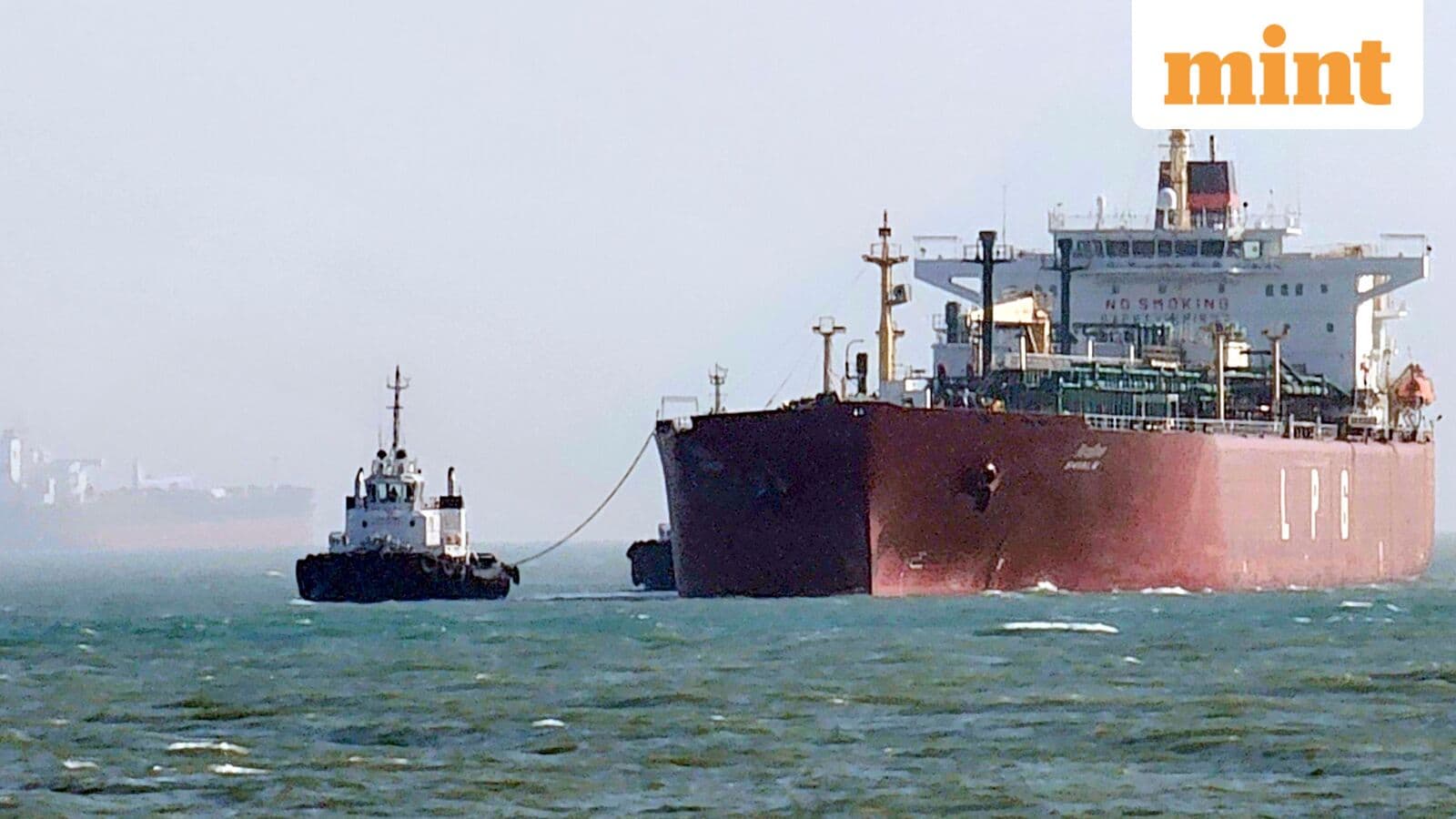
As a testament to India’s maritime capabilities, two Indian-flagged LPG carriers, Shivalik and Nanda Devi, successfully traversed the strategic waterway carrying a total of 92,712 metric tonnes of LPG. The Shivalik has since reached Mundra Port in Gujarat, demonstrating India’s ability to navigate these waters despite the heightened tensions.
The situation in the Strait of Hormuz is pivotal not only for India but for global energy markets as a whole. India, being one of the largest importers of crude oil, relies heavily on the stability of this maritime route. The ongoing dialogues and diplomatic efforts will play a crucial role in shaping India’s response to any potential escalations in the region.
As the geopolitical landscape evolves, it is essential to monitor how India balances its foreign relations with both the U.S. and Iran, especially concerning its energy security. The outcomes of these diplomatic efforts will significantly impact regional stability and trade.
In the coming weeks, observers should pay close attention to: - U.S. and allied responses regarding military deployments to the Strait of Hormuz. - Any developments in India-Iran discussions about maritime safety. - Fluctuations in global oil prices as tensions in the Strait of Hormuz continue. - China's diplomatic maneuvers as it positions itself as a mediator in the region.
As countries navigate this complex situation, it will be crucial to see how these relationships evolve, and whether India will adjust its stance in response to external pressures.
In conclusion, while India remains committed to diplomatic channels for resolving tensions in West Asia, the urgency of the situation in the Strait of Hormuz cannot be overlooked.

Tensions soar as the US and Iran engage in air strikes near the Strait of Hormuz, raising concerns over global oil supply and regional stability.
BBC World
Trump's international interventions face serious stalemates. What will this mean for U.S. foreign policy? Explore the critical challenges ahead.
Indian Express
Tehran denies resignation of President Masoud Pezeshkian amid claims of IRGC influence. What does this mean for Iran's political stability? Click to learn more!
Indian Express