
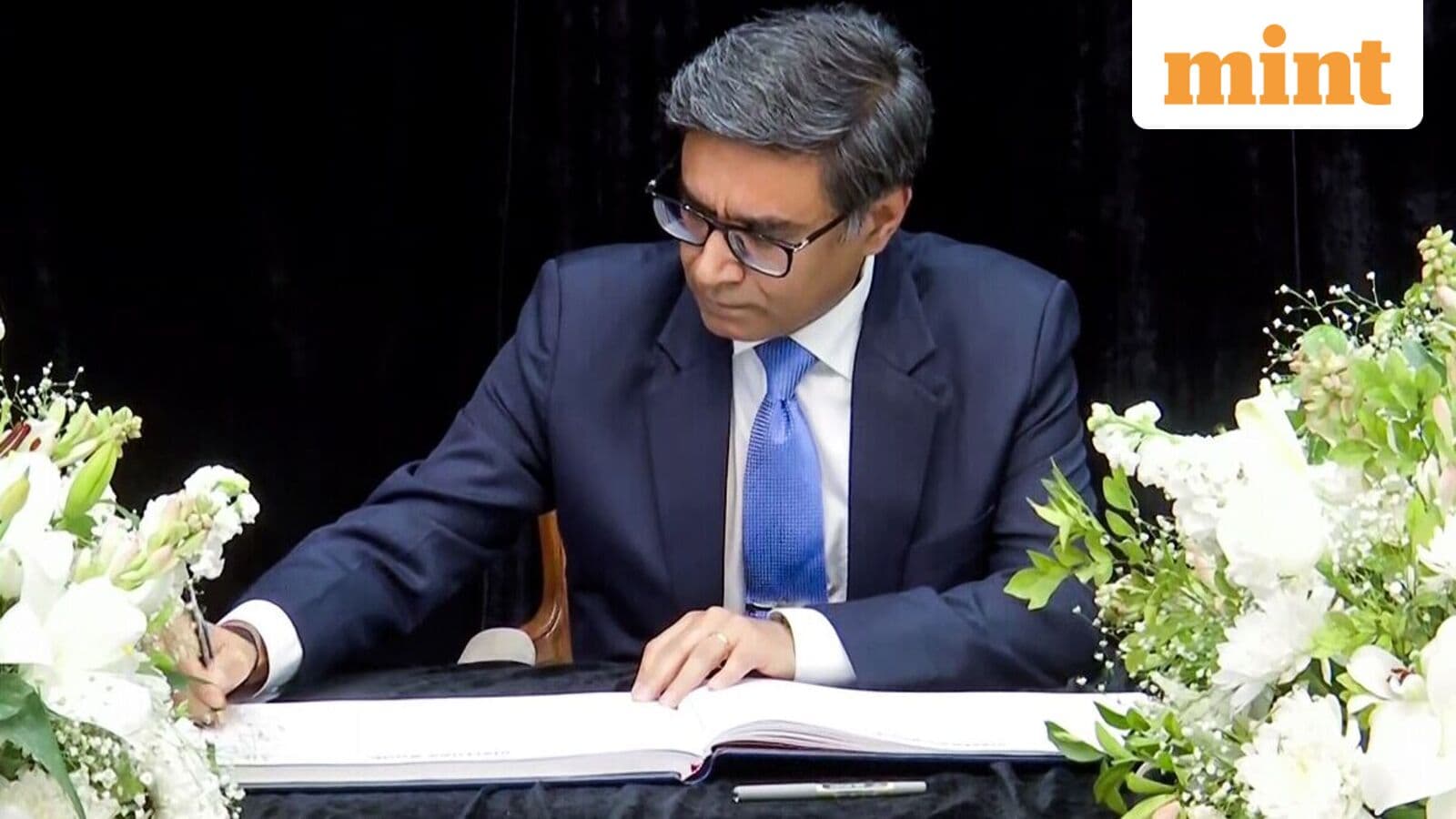
Image: Mint (Business)
India highlights human cost and energy security risks amid Hormuz crisis. Calls for diplomacy at UK meeting with over 60 nations. What’s next?
GlipzoIn a recent high-level meeting, India has underscored the human toll of the ongoing crisis in the Strait of Hormuz, emphasizing its unique position as the only nation to have lost mariners in attacks on merchant vessels in this volatile region. On April 2, 2023, Foreign Secretary Vikram Misri participated virtually in a UK-hosted gathering that included representatives from over 60 nations, focusing on securing vital shipping routes amidst escalating tensions in West Asia.
Misri's remarks brought to light the significant implications of this crisis on India's energy security. He pointed out that the disruption of shipping lanes, particularly through the strategically crucial Strait of Hormuz, could severely impact global oil and gas supplies. This strait is not just a narrow passage; it is a critical artery through which approximately 20% of the world's oil and liquefied natural gas (LNG) flows.
The Foreign Secretary's comments highlighted the necessity for diplomatic engagement to resolve the ongoing conflict. Misri stressed the importance of the principles of freedom of navigation and unimpeded transit in international waterways, essential for maintaining global trade and energy supplies. The Ministry of External Affairs (MEA) reiterated that India stands firmly for safe and secure maritime passage, aligning with international law.
In his address, Misri stated, “The way out of the crisis consists of de-escalation and a return to the path of diplomacy and dialogue among all concerned parties.” His call for renewed diplomatic efforts came amid growing global concerns over commercial shipping disruptions, which have seen oil and gas prices surge due to Iran's partial blockade of the strait.
The meeting was chaired by UK Foreign Minister Yvette Cooper, with participation from key nations including France, Germany, Italy, Canada, and the United Arab Emirates. Notably absent was the United States, which has historically played a significant role in Middle Eastern affairs. The absence of the US has raised questions about its influence in resolving the ongoing tensions in the region.
The crisis in the Strait of Hormuz has roots in a significant military escalation that began over a month ago. Following joint US-Israeli attacks on Iran, tensions skyrocketed, especially after the assassination of Ayatollah Ali Khamenei, Iran's 86-year-old Supreme Leader, on February 28. The aftermath saw Iran retaliating by targeting Israeli and US assets throughout the Gulf, further destabilizing the region and exacerbating the crisis in maritime navigation.
The implications of this conflict extend beyond immediate geopolitical concerns; they threaten the energy security of nations heavily reliant on imports from the Gulf. India, being one of the top importers of oil and gas from the region, is particularly vulnerable. The MEA spokesperson, Randhir Jaiswal, reiterated India’s commitment to ensuring free navigation through the Strait of Hormuz. He stated, “We continue to call for ensuring safe and free navigation through the Strait of Hormuz as a matter of priority.”
India's diplomatic maneuvers have included direct lines of communication with Iran and other nations involved in the crisis, seeking to ensure that shipping routes remain open for the transit of essential goods, including LPG and LNG. As the situation continues to evolve, New Delhi remains vigilant, closely monitoring developments related to the West Asia conflict.
The ongoing conflict poses potential ramifications not only for India but for global economic stability. The Strait of Hormuz is a critical chokepoint for maritime trade, and any extended disruption could lead to skyrocketing fuel prices, affecting economies worldwide. With many countries facing energy supply uncertainties, the urgency for a diplomatic resolution is more pronounced than ever.
Iran's blockade has also led to increased scrutiny from other global powers, many of whom are advocating for the complete reopening of the Strait. Although Iran has permitted ships from allied nations to pass, the overall security of the waterway remains compromised, affecting international energy markets.
As the situation develops, the focus will remain on diplomatic efforts aimed at de-escalating tensions in the region. India’s proactive approach signifies its commitment to maintaining energy security while advocating for a peaceful resolution to the crisis. The international community’s response to Iran’s blockade and the ongoing conflict will be pivotal in shaping the future of global energy trade.
In the coming weeks, observers should watch for: - Continued diplomatic efforts from India and other nations to secure safe passage through the Strait. - Potential international sanctions or diplomatic measures against Iran that could alter the balance of power in the region. - Fluctuations in global oil and gas prices as the situation evolves, impacting economies worldwide. - Responses from other major powers, particularly the US, regarding their stance on the ongoing crisis.
In summary, the crisis in the Strait of Hormuz remains a critical issue not only for India but for global energy security and economic stability. The need for renewed diplomatic dialogue is urgent as the world watches how these tensions unfold.

Tensions soar as the US and Iran engage in air strikes near the Strait of Hormuz, raising concerns over global oil supply and regional stability.
BBC World
Trump's international interventions face serious stalemates. What will this mean for U.S. foreign policy? Explore the critical challenges ahead.
Indian Express
Tehran denies resignation of President Masoud Pezeshkian amid claims of IRGC influence. What does this mean for Iran's political stability? Click to learn more!
Indian Express