
Image: Mint (Business)
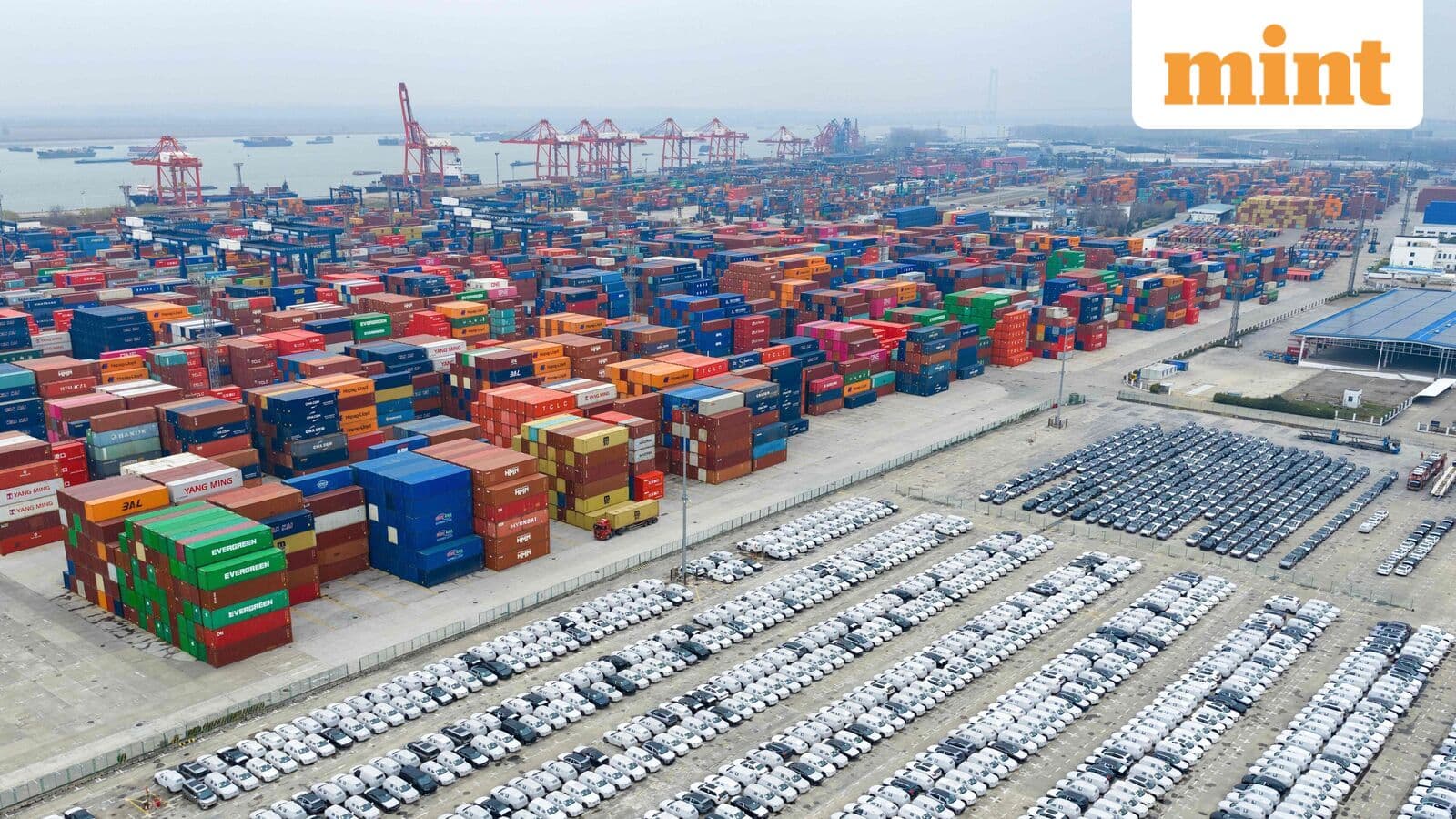
India has launched a ₹497 crore RELIEF package to support exporters amid the escalating US-Israel-Iran conflict. Discover how it impacts trade.
GlipzoIn a critical response to the ongoing geopolitical crisis in the Gulf region, India has unveiled a significant relief initiative designed to support its exporters. On Thursday, the Indian government introduced the RELIEF package, which stands for Resilience & Logistics Intervention for Export Facilitation. This ambitious program will be funded with a total outlay of ₹497 crore and is part of the broader Export Promotion Mission aimed at bolstering India's trade amid turbulent global conditions.
The backdrop to this announcement is the escalating conflict involving Israel, Iran, and the United States, which has had adverse effects on maritime logistics throughout the Gulf region. The ongoing war has not only increased freight costs but also heightened insurance premiums and export risks, significantly impacting Indian exporters.
The Export Credit Guarantee Corporation of India (ECGC) has been tasked with implementing a comprehensive monitoring system to ensure real-time tracking of claims and fund utilization. This strategic move aims to provide immediate support to exporters facing unprecedented challenges in their operations.
The RELIEF package is particularly crucial as it seeks to address the acute supply chain disruptions resulting from the conflict. The situation has caused commodity prices—especially energy—to skyrocket, with global benchmarks reporting a surge of over 5% on Thursday. Additionally, the Indian crude oil basket has seen record highs, intensifying the urgency for the government to take action.
The RELIEF program encompasses three main components, focusing on consignments destined for countries significantly affected by the conflict, including the United Arab Emirates, Saudi Arabia, Kuwait, Israel, Qatar, Oman, Bahrain, Iraq, Iran, and Yemen. Here are the highlights of its features: - Enhanced Risk Coverage: Exporters with existing ECGC credit insurance can receive up to 100% additional risk coverage for eligible consignments during the period from February 14, 2026, to March 15, 2026. - Support for Upcoming Shipments: Exporters planning shipments between March 16 and June 15 will be encouraged to secure ECGC cover, which can provide up to 95% risk coverage. - Partial Reimbursement for MSMEs: Micro, small, and medium enterprises (MSMEs) that haven't obtained credit insurance but face extraordinary costs will be eligible for a reimbursement of up to 50% of their logistics costs, subject to specific conditions.
This multifaceted approach is designed to sustain exporter confidence and facilitate uninterrupted shipment flows, even amid significant logistical uncertainties.
Rajeev Juneja, President of the PHD Chamber of Commerce and Industry, emphasized the importance of the RELIEF initiative, stating, “The RELIEF initiative provides timely support to exporters facing problems due to heightened geopolitical risks in West Asia. The government’s response to disruptions around the Strait of Hormuz causing increases in freight costs and insurance premiums will ensure continuity of trade flows.”
Juneja also noted that the initiative's inclusion of both past and prospective shipments, along with focused support for MSMEs, reflects a nuanced and balanced policy response necessary in today's volatile climate.
India's proactive approach through the RELIEF package underscores its commitment to uphold the resilience and competitiveness of its exporters. By addressing immediate logistical disruptions, the government aims to prevent order cancellations and protect employment in export-dependent sectors. This initiative is not only vital for the businesses involved but also for the overall economic stability of the country during a time of global uncertainty.
As the situation in the Gulf continues to evolve, the Indian government’s swift action will be crucial in maintaining trade relations and ensuring that exporters can navigate the challenges posed by the ongoing conflict.
Looking forward, the implementation of the RELIEF package will be closely monitored to gauge its effectiveness in alleviating the burdens faced by exporters. Key areas to watch include: - The impact of risk coverage on exporter confidence and shipment volumes over the coming months. - The reimbursement process for MSMEs, ensuring that eligible exporters receive the support they need promptly. - The overall stability of global energy prices and its subsequent effect on logistics costs and export dynamics in the region.
In conclusion, the Indian government’s RELIEF package represents a significant step towards safeguarding its exporters from the repercussions of geopolitical tensions. With ongoing monitoring and support, Indian businesses may find the resilience needed to thrive even in challenging times.
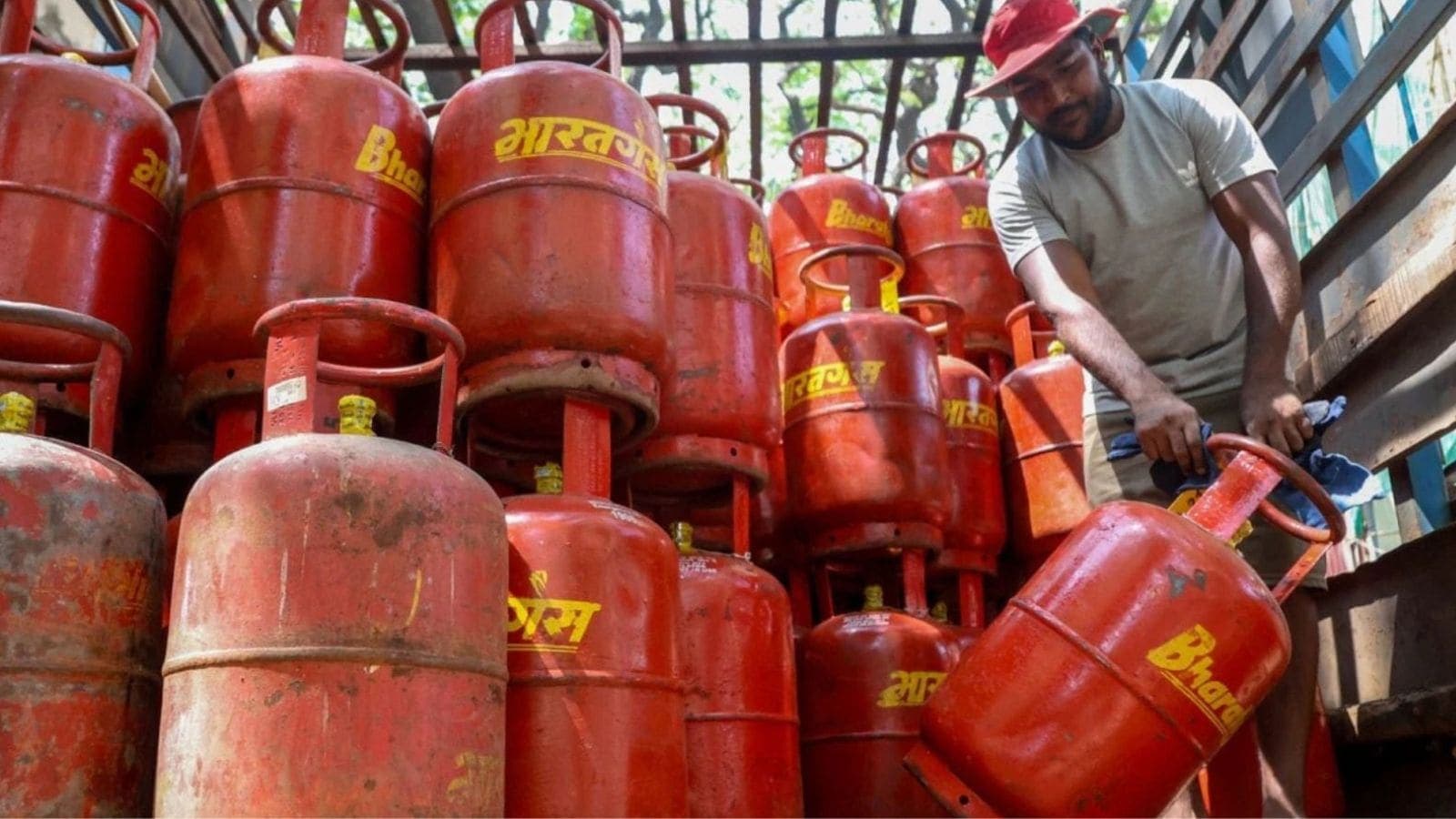
Commercial LPG prices have risen again, with increases of ₹42 in Delhi and ₹53.50 in Kolkata impacting businesses and consumers alike. Find out more.
Indian Express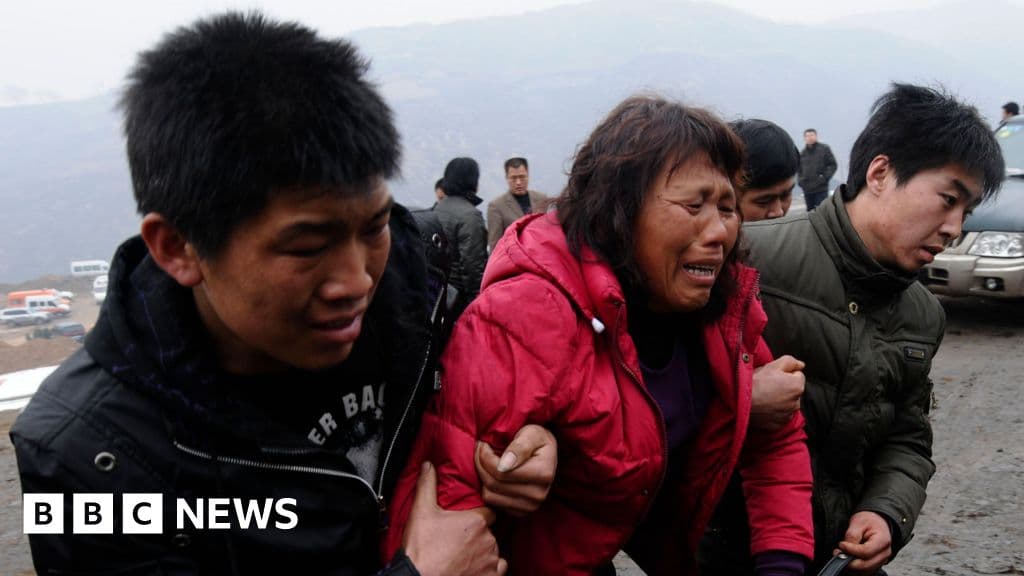
Discover how a tragic coal mine explosion in Shanxi, China, reveals ongoing safety concerns in the industry amidst a push for green energy.
BBC Business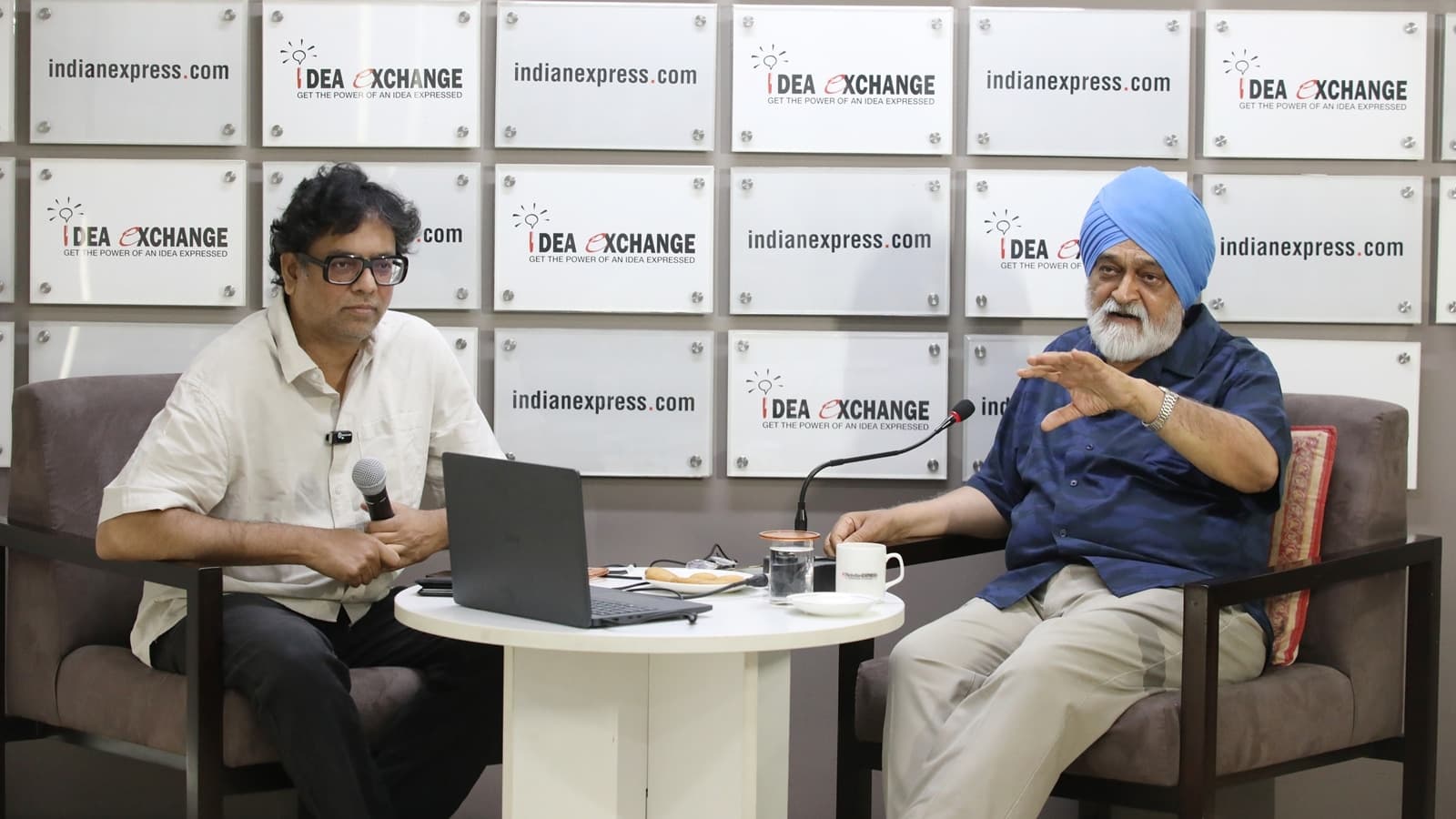
Montek Singh Ahluwalia highlights key economic challenges for India, emphasizing the need for a strategic approach to balance payments and investment.
Indian Express