
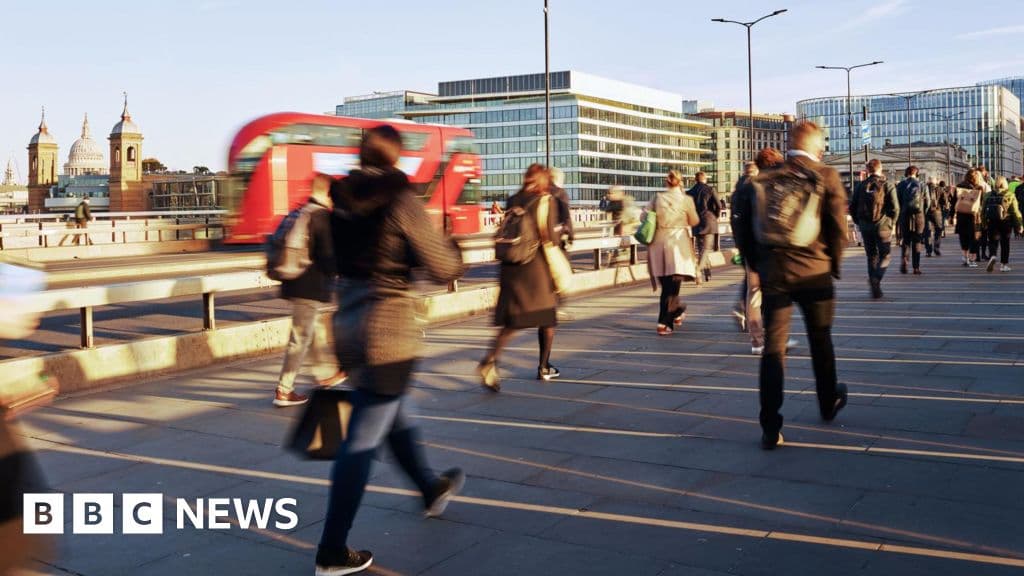
Image: BBC Business
The IMF warns the UK will face the largest growth decline among major economies due to the Iran war. What does this mean for the future? Click to find out.
GlipzoThe International Monetary Fund (IMF) has issued a stark warning regarding the economic repercussions of the ongoing conflict in Iran, highlighting that the UK is poised to suffer the most significant decline in growth among the world’s advanced economies. In the latest edition of its World Economic Outlook, the IMF revised its growth forecast for the UK down to 0.8% for this year, a notable decrease from the 1.3% prediction made back in January, before the war escalated.
This downgrade is attributed to multiple factors, including the war's impact on energy prices, a reduction in anticipated interest rate cuts, and the expectation that these heightened energy costs will persist into the following year. The IMF has cautioned that the conflict could derail the global economy, with the risk of an extended war potentially leading to a worldwide recession. Central banks are urged to exercise caution in their approach to raising interest rates as they strive to combat rising inflation.
The UK's reduction of half a percentage point marks the most significant adjustment among advanced economies, suggesting that it will experience relatively mediocre growth compared to its peers in 2023. This forecast aligns with a similar prediction from the Organisation for Economic Co-operation and Development (OECD), which indicated last month that the UK would endure the most severe impact on economic growth of all G20 nations due to the Iranian conflict.
As a net importer of energy, the UK is particularly vulnerable to spikes in energy prices. The IMF expects, however, that the UK will rebound, potentially reclaiming its position as the fastest-growing economy in Europe within the smaller G7 group of advanced economies next year, albeit at a reduced growth rate of 1.3%.
Further complicating the economic landscape, the UK is projected to have the highest inflation rate in the G7 this year, estimated at 3.2%, with a slight decline to 2.4% expected next year. The IMF anticipates a temporary inflation spike this year, potentially reaching 4%, before it stabilizes towards the Bank of England's target rate of 2% by the end of 2027. This stabilization is expected to result from the fading effects of elevated energy prices and a less dynamic job market leading to slower wage growth.
In response to the IMF's sobering forecast, Chancellor Rachel Reeves acknowledged the economic implications of the conflict in Iran, stating, "The war in Iran is not our war, but it will come at a cost to the UK." She emphasized the government's previous actions to fortify economic stability, while also recognizing the need for further efforts to address the costs imposed by the conflict.
US Treasury Secretary Scott Bessent weighed in on the situation, suggesting that a period of economic discomfort is a small price to pay for the long-term security gained from thwarting potential nuclear threats from Iran. Bessent remarked, "I wonder what the hit to global GDP would be if a nuclear weapon hit London… I am saying that I am less concerned about short-term forecasts, for long-term security."
Despite these assertions, the BBC has reported that the likelihood of Iranian ballistic missile attacks on London remains low. A government spokesperson reaffirmed the nation’s military readiness to defend against any threats, stating that there was "no assessment" indicating that Iran is targeting Europe.
In the political arena, Shadow Chancellor Sir Mel Stride criticized Chancellor Reeves, attributing the IMF’s downgrade to policies that have resulted in rising costs for businesses and consumers. He claimed that the government's efforts to stabilize the economy have led to the UK experiencing the highest inflation in the G7, while businesses continue to close and living costs soar.
Calls have emerged for the UK government to intervene with measures such as cutting fuel duties to alleviate pressure on consumers facing rising pump prices. However, IMF chief economist Pierre-Olivier Gourinchas advised caution regarding government assistance programs, noting that while the UK has made strides in rebuilding financial buffers, the ongoing conflict has left less room for expansive spending to support households and businesses.
As the situation in Iran continues to unfold, the UK's economic outlook remains precarious. Policymakers will need to navigate the complexities of rising energy prices, inflationary pressures, and the potential for prolonged conflict in the Middle East. The government's commitment to economic stability will be put to the test as it seeks to mitigate the impacts of external shocks while striving to fulfill its goal of becoming the fastest-growing economy in the G7 by the end of the parliamentary term.
In the coming months, all eyes will be on how the UK government responds to these challenges, particularly in terms of fiscal policies and initiatives aimed at supporting both consumers and businesses. The balance between immediate economic relief and long-term strategic planning will be critical as the nation grapples with the ramifications of the Iran war and its implications on global economic stability.
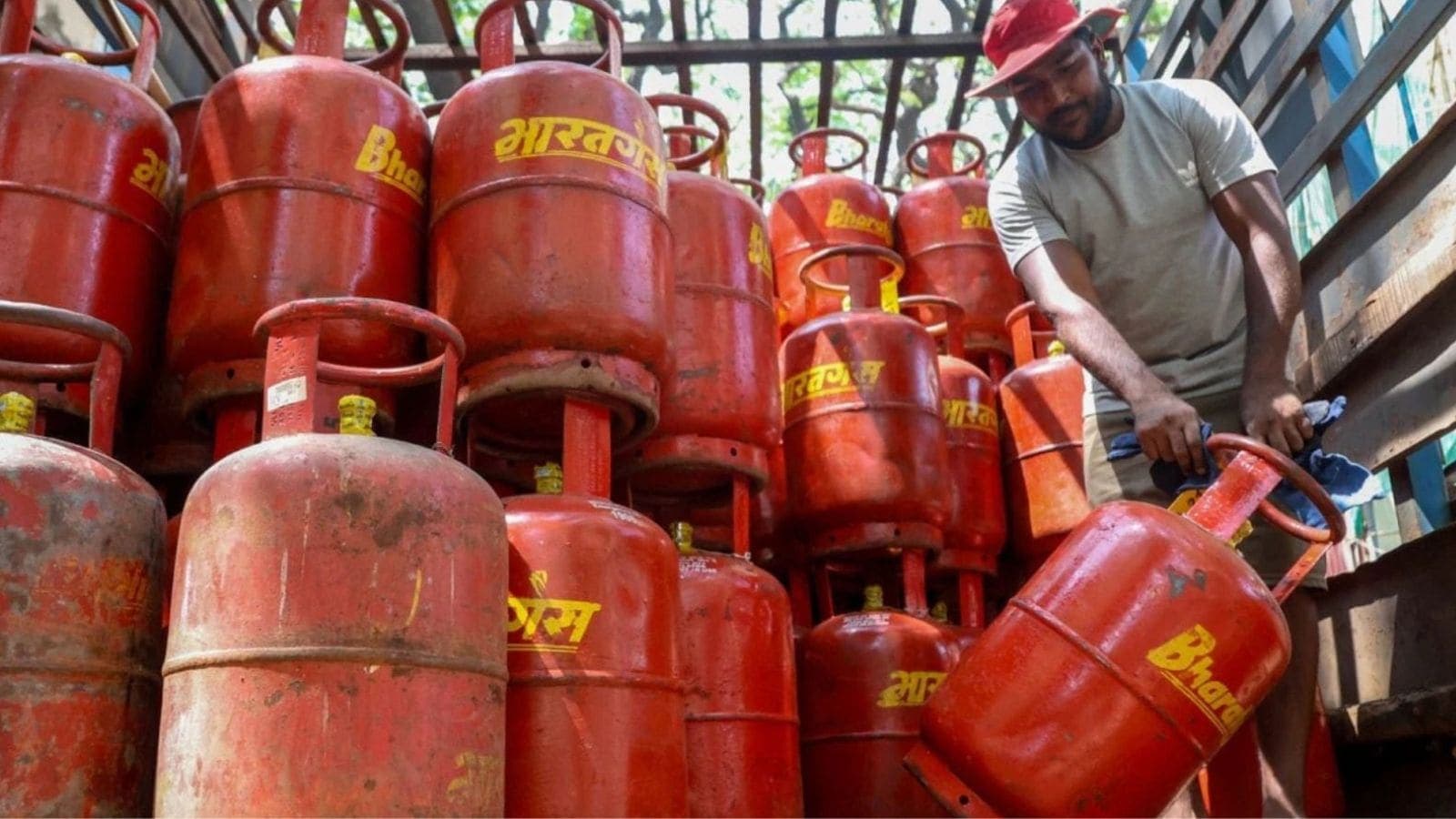
Commercial LPG prices have risen again, with increases of ₹42 in Delhi and ₹53.50 in Kolkata impacting businesses and consumers alike. Find out more.
Indian Express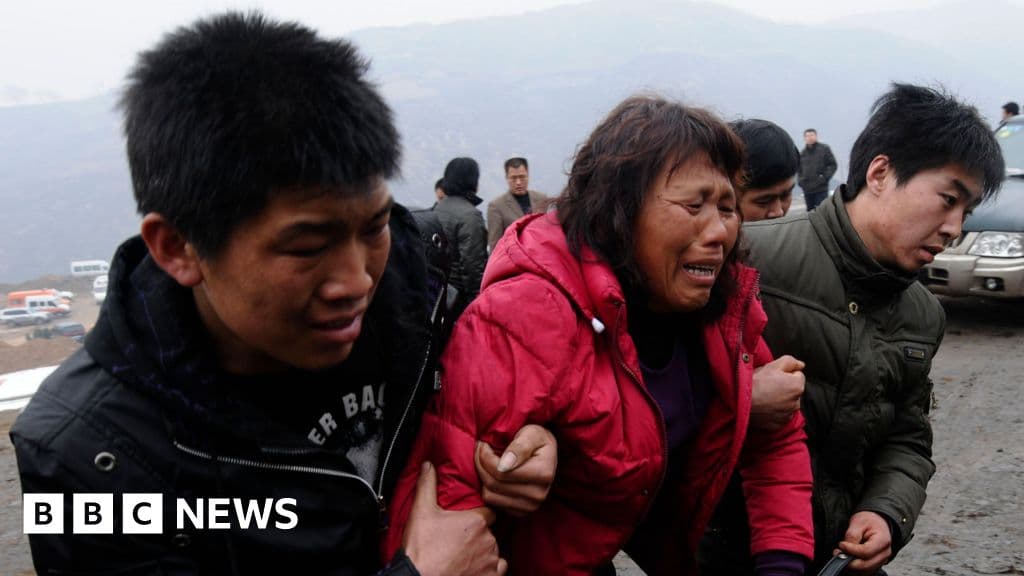
Discover how a tragic coal mine explosion in Shanxi, China, reveals ongoing safety concerns in the industry amidst a push for green energy.
BBC Business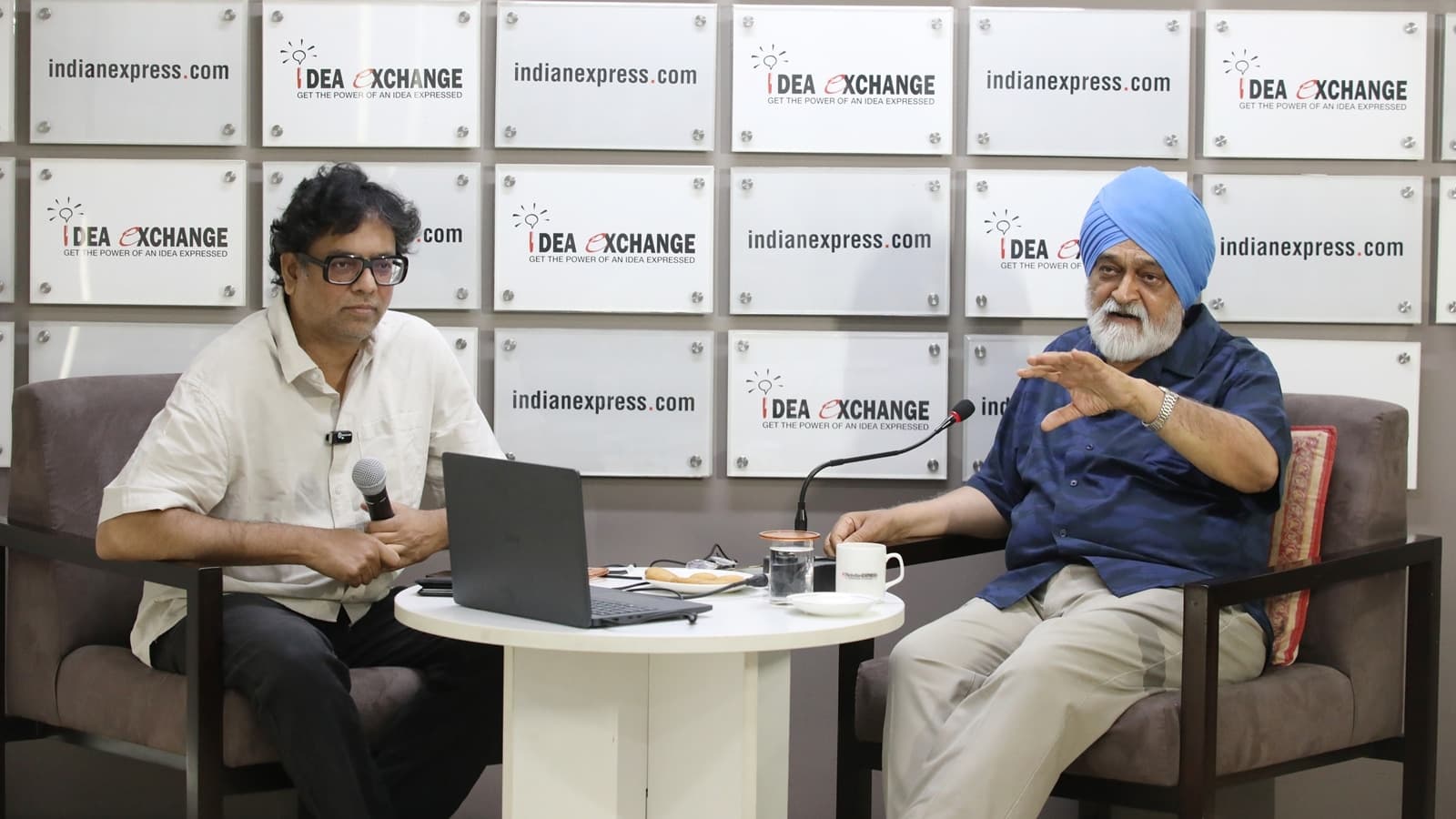
Montek Singh Ahluwalia highlights key economic challenges for India, emphasizing the need for a strategic approach to balance payments and investment.
Indian Express