

Image: Mint (Business)
The IEA announces a release of 400 million barrels of oil to stabilize prices amid escalating US-Israel-Iran tensions. What does this mean for global markets?
GlipzoIn a significant move to stabilize global oil markets, the International Energy Agency (IEA) announced on Sunday that it will soon begin releasing 400 million barrels of oil from its emergency reserves. This decision comes in light of the ongoing conflict between the U.S. and Israel against Iran, which has raised concerns about supply disruptions in the Middle East. The IEA's action aims to mitigate the potential fallout from the escalating violence in the region.
The IEA's announcement is not just a routine update; it represents a critical intervention in the face of a geopolitical crisis that has implications far beyond the immediate region. The agency revealed that oil drawn from its stockpiles would be available to global markets, thereby alleviating some of the pressure on oil prices that have surged amidst fears of a supply crisis.
Earlier this week, the IEA outlined a detailed plan for the distribution of 400 million barrels of oil from its emergency reserves. Here’s a quick summary of how the release will be structured:
The Americas will contribute the majority, releasing 195.8 million barrels, with 172.2 million barrels sourced directly from government reserves. Meanwhile, Asia Oceania member countries will supply 108.6 million barrels, and Europe has committed to releasing 107.5 million barrels from their respective stockpiles. Notably, 72% of the planned releases will consist of crude oil, while 28% will include refined oil products.
The backdrop of this decision is the worsening conflict in the Middle East. Following the assassination of Iran's former Supreme Leader Ayatollah Ali Khamenei by Israeli forces on February 28, Iran retaliated by attacking U.S. military bases in the region and targeting Israel directly. The situation escalated further when the Islamic Revolutionary Guards Corps (IRGC) announced the closure of the Strait of Hormuz, a vital maritime route for oil transportation that accounts for approximately 20% of the world's oil supply. This action has sent shockwaves through global energy markets, raising fears of a full-blown crisis.
As a response to these developments, crude oil prices saw a significant spike, reaching $120 per barrel earlier this week—a 30% increase since the conflict began. Traders and analysts have expressed concern over the potential for prices to soar even higher, with Iranian officials hinting that prices could reach $200 per barrel if tensions continue to escalate.
The IEA's decision to release oil from its reserves is a crucial measure designed to calm market fears and prevent an uncontrolled rise in prices. The organization's reserves, totaling 1.2 billion barrels, serve as an insurance policy against global supply disruptions, making this release not just a reactionary step but a proactive approach to stabilizing the market.
The potential consequences of rising oil prices are far-reaching: - Increased transportation costs: Higher oil prices generally lead to increased costs for shipping and logistics, affecting everything from consumer goods to food prices. - Impact on inflation: Rising oil prices can drive inflation higher, affecting the cost of living for consumers worldwide. - Geopolitical tensions: Heightened oil prices often exacerbate existing tensions between oil-producing and oil-consuming nations, leading to further instability.
As the situation continues to unfold, all eyes will be on the IEA and how effectively it can manage the release of oil amid ongoing geopolitical tensions. Key factors to watch include: - Further escalations in the Middle East: Any significant developments in the U.S.-Israel-Iran conflict could lead to renewed fears of supply disruptions and further price increases. - Global economic reactions: How countries respond to rising oil prices will be critical, particularly in terms of inflation and economic policy adjustments. - Market trends: Traders will be closely monitoring oil prices and market sentiment as the IEA begins its release.
In conclusion, the IEA's emergency oil release marks a pivotal moment in the ongoing crisis. As global markets react, the importance of monitoring these developments cannot be overstated. The situation is fluid, and the potential for further conflict or economic disruption remains high, making this a critical time for energy markets worldwide.
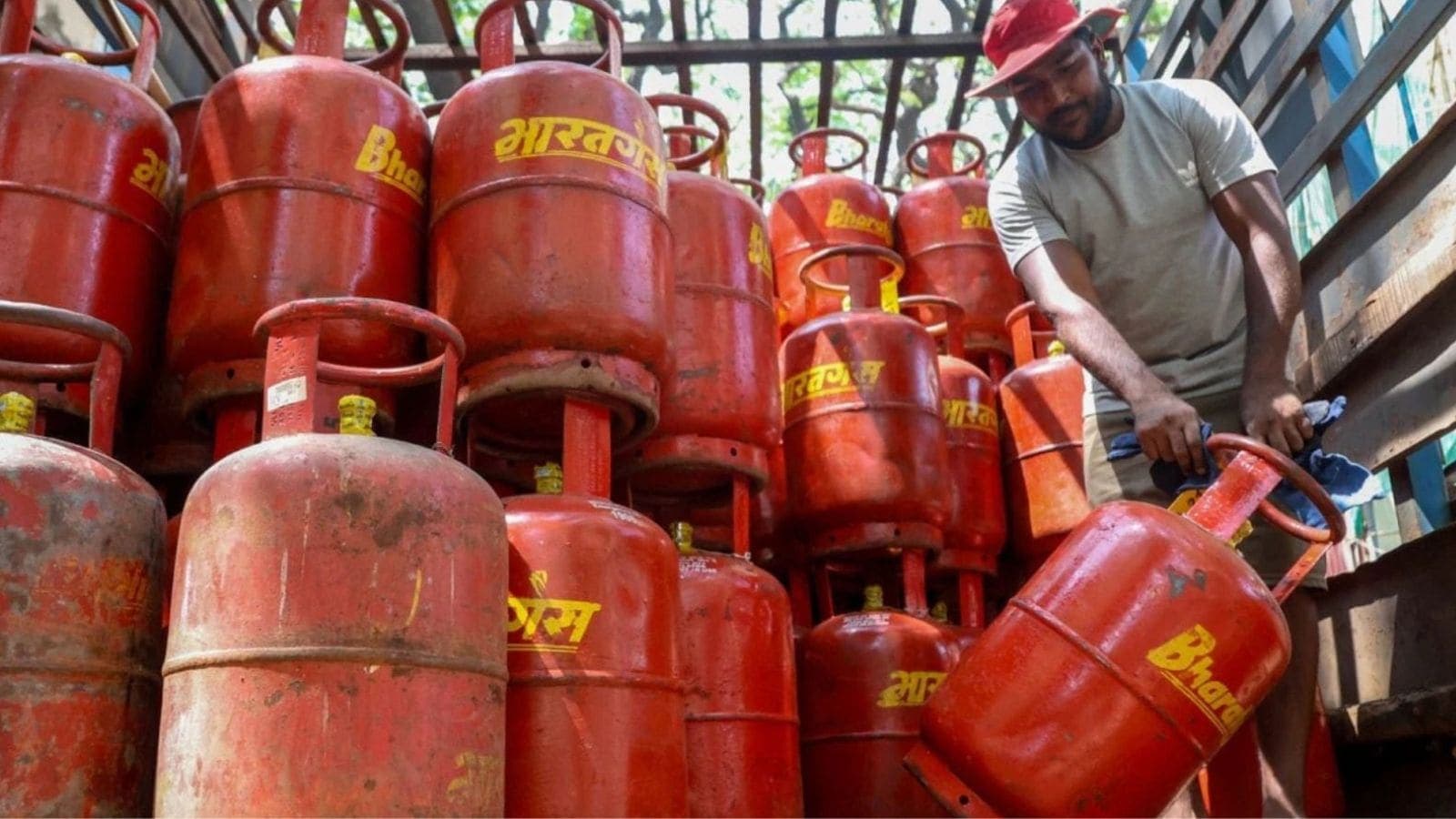
Commercial LPG prices have risen again, with increases of ₹42 in Delhi and ₹53.50 in Kolkata impacting businesses and consumers alike. Find out more.
Indian Express
Discover how a tragic coal mine explosion in Shanxi, China, reveals ongoing safety concerns in the industry amidst a push for green energy.
BBC Business
Montek Singh Ahluwalia highlights key economic challenges for India, emphasizing the need for a strategic approach to balance payments and investment.
Indian Express