
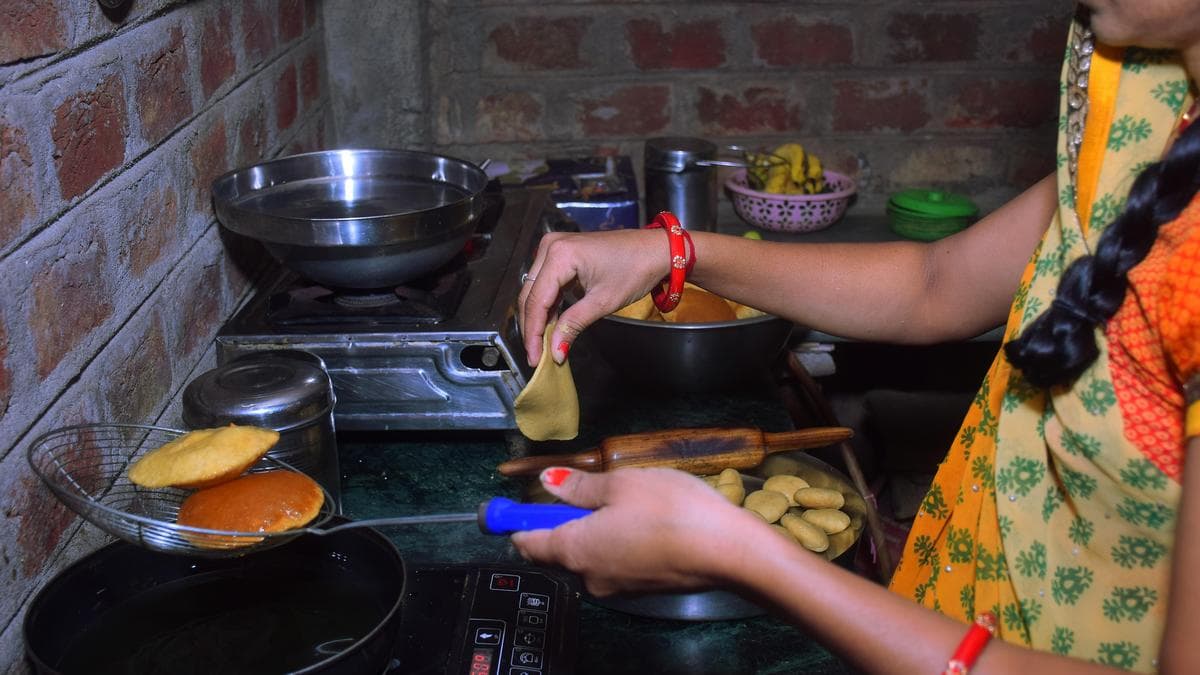
Image: The Hindu
Explore how families in India are shifting to hybrid kitchens, blending LPG stoves and electric appliances to save energy and enhance cooking efficiency.
GlipzoAs energy costs rise and supply shortages become more common, families across India are adapting their cooking practices. Hybrid kitchens are becoming the norm, where traditional LPG stoves coexist with modern electric appliances like induction cookers, microwaves, and air fryers. This shift isn't merely a trend; it's a necessity for many households.
For 79-year-old Jaya Sundararajan, the recent LPG shortage didn't disrupt her daily routine. Instead, she pivoted to cooking at home, embracing her steam cooker for efficiency and flavor. "I don’t depend on an LPG gas stove," Jaya states with a smile. Her approach to cooking emphasizes not just convenience but also a reduction in dishwashing, as she can prepare multiple dishes simultaneously using her steam cooker.
The landscape of Indian kitchens has transformed significantly over the decades. Families are now rediscovering traditional cooking methods and incorporating smart kitchen hacks to enhance their meal preparation. Cookbook author Sabita Radhakrishna reflects on this evolution, recalling how LPG was a luxury during her early married life in the 1960s. Back then, she would wait weeks for a refill, carefully rationing her fuel.
Today’s kitchens are far more equipped, allowing for a seamless integration of electric appliances. Sabita explains, "In a hybrid kitchen, we can use the microwave to cook vegetables for a stir-fry and then transfer them to the air fryer to grill or crisp them." This efficient use of appliances not only saves time but also conserves fuel, making meal preparation both quicker and more environmentally friendly.
Electric cooking appliances are not just about convenience; they offer a myriad of benefits for modern families. - Time Efficiency: Pressure cookers cut down cooking time significantly. - Versatility: Many electric devices serve multiple cooking functions, reducing the need for various cookware. - Energy Conservation: Using electric appliances alongside LPG can help families save on fuel costs.
Sabita particularly enjoys her electric pressure cooker, which allows her to sauté, steam, and even roast, all in one vessel. She emphasizes the importance of traditional condiments like podis, thokkus, and pickles to enhance meals while conserving LPG. One-pot meals such as sambar rice and rasam rice become quick and easy under pressure cooking, further promoting this hybrid approach.
Food blogger Aarthi Satheesh advocates for batch cooking as a strategic method to minimize LPG usage in the kitchen. She often prepares legumes like channa, rajma, and lobia in bulk, freezing them for later use. This not only saves time but also optimizes the use of energy. Aarthi suggests using the microwave to cook vegetables efficiently and pressure-cooking toor and moong dal on induction to save gas.
Her tips extend to preparing gravies in bulk, such as puli kuzhambu and rasam, which can be stored and used over several days. Aarthi also encourages experimenting with different meals, recommending toasted sandwiches or porridge made from millets as alternatives to traditional staples.
In the face of rising costs and supply constraints, embracing leftovers is becoming a common practice. Aarthi encourages families to rethink their meal preparation strategies by maximizing the use of electric appliances and reducing reliance on LPG. - Cook in Bulk: Preparing large quantities of meals can cut down cooking time and fuel usage. - Utilize Freezers: Freezing cooked legumes and gravies can help streamline meal prep during busy weekdays. - Experiment with New Recipes: Trying new dishes can keep meals exciting without increasing fuel consumption.
The transition to electric cooking is a significant step towards sustainability and efficiency in Indian kitchens. While the shift may seem daunting, the long-term benefits are undeniable. As families embrace hybrid kitchens, we can expect a notable change in cooking habits, fueling a culture of energy conservation.
Moving forward, it's essential to pay attention to: - Advancements in Electric Appliances: Innovations in technology will continue to improve the efficiency and versatility of electric cooking devices. - Consumer Education: As more families adapt to hybrid kitchens, educating consumers on the best practices for electric cooking will be crucial. - Policy Changes: Government policies promoting energy conservation and the use of clean energy in households could further accelerate this transition.
The hybrid kitchen movement highlights a significant cultural and practical shift in Indian cooking. As families continue to adapt, the blend of tradition and modernity will shape the culinary landscape for years to come.
Shocking findings from Nottingham's maternity unit reveal a toxic culture and alarming neglect. What can be done to improve care? Discover the details.
BBC Health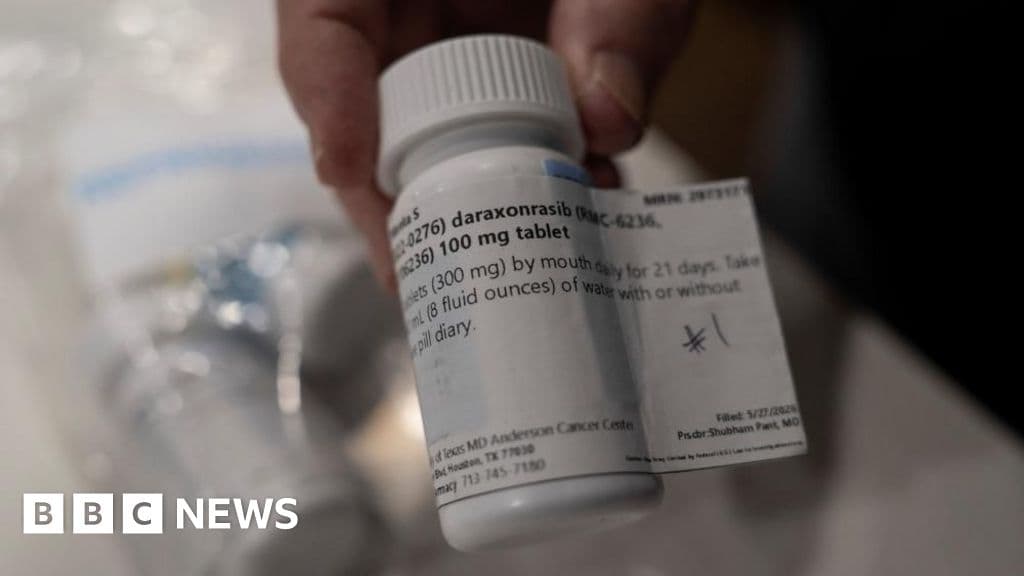
Discover how daraxonrasib, a new pill, is nearly doubling survival rates for pancreatic cancer patients, offering hope in a challenging battle against this deadly disease.
BBC Health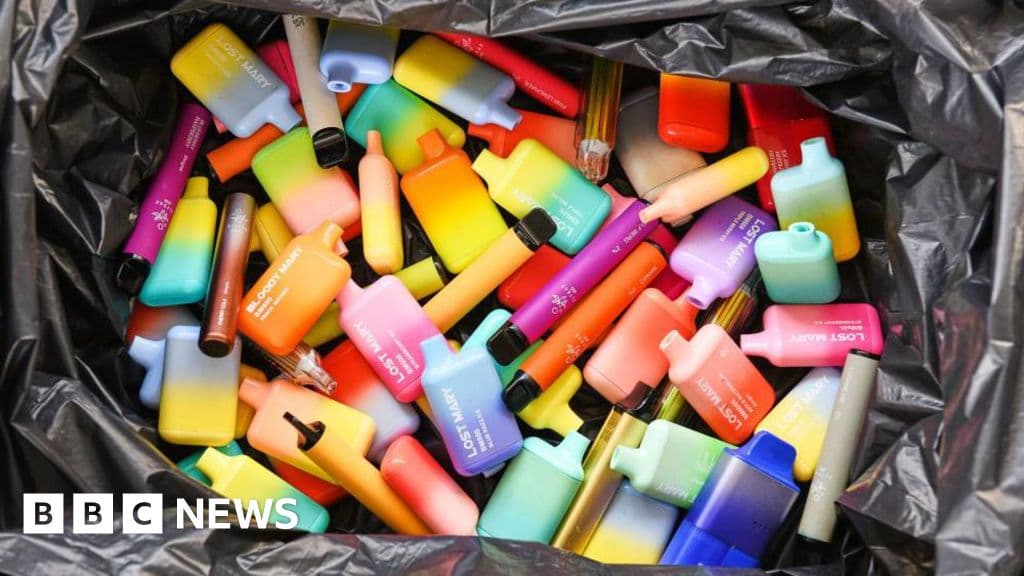
Waste companies propose a £5 deposit on vapes to encourage proper disposal and curb littering as the environmental impact of vapes increases.
BBC Business