

Image: The Hindu
Discover how the Gulf War's LPG shortage is drastically impacting gig workers in India, forcing them to adapt to a challenging economic landscape.
GlipzoThe ongoing conflict in West Asia is reverberating through various sectors worldwide, but its impact is significantly felt among gig workers in India. As of March 2026, with a directive from the Union Ministry of Petroleum and Natural Gas, commercial LPG supplies have faced severe restrictions, directly affecting food delivery services and other sectors reliant on gas.
Gig workers like Bela Rani (name changed) are experiencing a drastic decline in their earnings. Bela, a food delivery worker in Delhi, has seen her income plummet since the government mandated that oil marketing companies prioritize LPG for domestic users over commercial ones. This decision has led to a reduction in the supply of LPG to restaurants and food outlets, causing a significant drop in customer orders and, consequently, delivery trips.
“Before the restrictions, I could easily complete 16-17 deliveries a night,” Bela lamented. “Now, I’m struggling to make ends meet and have to work overtime just to qualify for a meager incentive of ₹135, which only kicks in after I finish 13 deliveries.”
Another gig worker, Naved, who operates in the Dwarka circuit of southwest Delhi, has reported a staggering 50% drop in his deliveries. “Just yesterday, I earned only ₹500 for nearly 12 hours of work,” he shared, expressing concern over the future of his family amidst this crisis.
The impact is not limited to a few workers; the entire gig economy in India, which comprises approximately one crore workers, is feeling the strain. Many workers feel abandoned, with one even remarking that they feel like they are being “thrown under the bus” due to the supply chain disruptions caused by global conflicts.
As roadside eateries and food carts begin to vanish from the streets, reports from cities like Bengaluru, Pune, and Mumbai indicate a wave of restaurant closures. The National Restaurant Association of India (NRAI) is also sounding alarms over the situation, having penned a letter to the Ministry of Petroleum and Natural Gas seeking clarity on the supply of commercial LPG.
In response to the ongoing crisis, Union Minister for Petroleum and Natural Gas Hardeep Singh Puri announced a committee to regulate the supply of commercial LPG. The government will now allocate 20% of the average monthly commercial LPG requirements from oil marketing companies in coordination with state governments to prevent hoarding and black marketing.
On March 10, the NRAI issued guidelines urging restaurants to adjust their cooking practices by suspending or reducing items that require extensive cooking methods. This includes dishes that involve “long simmering, deep frying, or multiple burners.” Instead, restaurant owners are encouraged to adopt batch cooking practices to manage dwindling supplies effectively.
Despite the challenges, some gig workers like Bindaram Thakur, who delivers meals in Patel Nagar, remain hopeful. “Everywhere I go, restaurant owners are concerned about shutting down,” he said. “I only hope the Hormuz Strait opens up soon, allowing supplies to flow again.”
The situation underscores the fragile nature of the gig economy, particularly in the face of global events that impact local supply chains. Gig workers, who already operate under precarious conditions, now find themselves at the mercy of geopolitical events that affect their livelihoods directly.
This crisis not only highlights the vulnerabilities faced by gig workers but also raises questions about the sustainability of their income in an increasingly interconnected world. As the situation develops, the long-term implications for the gig economy in India could be profound, affecting not just workers but also the broader economy.
As the government implements measures to stabilize the supply of LPG, gig workers and restaurant owners alike will be watching closely to see if these actions can reverse the current downward trend in earnings and operations. Key points to monitor include: - Government Relief Efforts: Will the government provide additional support to the gig economy and affected sectors? - Supply Chain Recovery: How quickly will the LPG supply stabilize, and what impact will it have on restaurant operations? - Consumer Behavior: Will the changes in cooking methods and menu offerings affect how consumers order food? - Long-term Economic Impact: How will the gig economy adapt to the new realities of working in a post-crisis world?
The unfolding situation serves as a crucial reminder of the interconnectedness of global events and local economies, and the precarious position of gig workers in navigating these challenges. The coming weeks will be pivotal in determining their fate and the overall health of the gig economy in India.
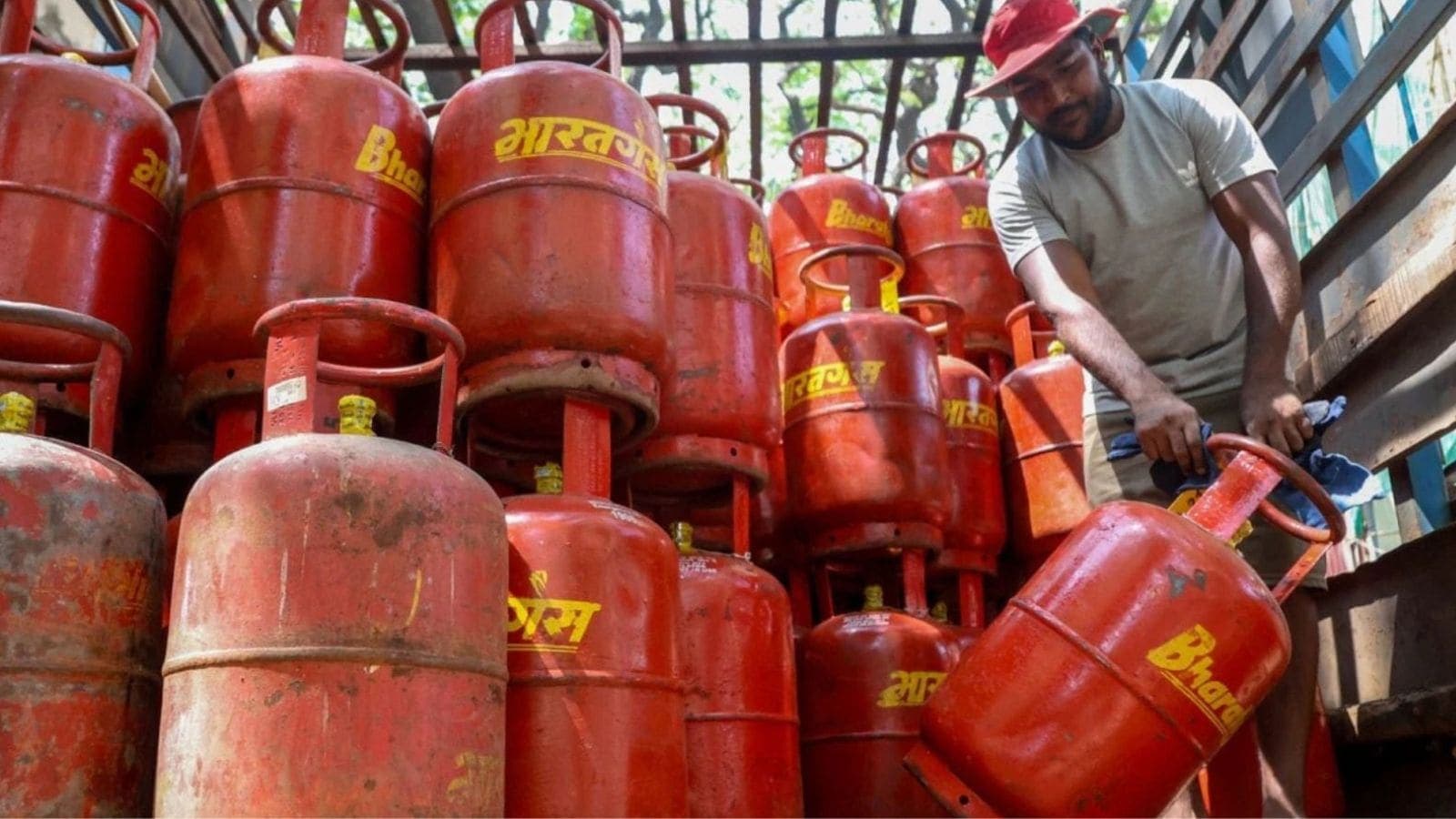
Commercial LPG prices have risen again, with increases of ₹42 in Delhi and ₹53.50 in Kolkata impacting businesses and consumers alike. Find out more.
Indian Express
Discover how a tragic coal mine explosion in Shanxi, China, reveals ongoing safety concerns in the industry amidst a push for green energy.
BBC Business
Montek Singh Ahluwalia highlights key economic challenges for India, emphasizing the need for a strategic approach to balance payments and investment.
Indian Express