

Image: Times of India
Discover how rising oil prices have given Iran and Russia a financial boost, generating over $100 million daily. What does this mean for the global economy?
GlipzoIn recent months, a significant shift in the global oil market has emerged, creating a financial boon for countries like Iran and Russia. The combination of rising oil prices and geopolitical tensions has allowed these nations to capitalize on the situation, generating over $100 million daily from their oil exports. This dramatic increase in revenue not only boosts their economies but also alters the global energy landscape, impacting everything from prices at the pump to international relations.
A complex interplay of factors has driven the recent spike in oil prices. Following Russia's invasion of Ukraine in February 2022, many countries imposed sanctions on Russian oil, aiming to curb its revenue. However, this move inadvertently led to a tightening of global oil supplies, pushing prices higher. Additionally, the recovery of economies post-pandemic has intensified demand for energy, further exacerbating the situation.
As a result, oil prices have soared above $100 per barrel, significantly benefiting oil-exporting nations. For Iran and Russia, the financial implications are profound. Sanctions have historically limited their economic capabilities, but high oil prices have provided a lifeline, enabling them to increase exports and generate substantial income despite ongoing restrictions.
Both Iran and Russia have seen remarkable increases in their oil revenues, transforming their economic outlooks. Key reasons for this financial windfall include: - Increased production: Both countries have ramped up oil production to capitalize on high prices. - Alternative markets: With Western nations pulling back, they have turned to markets in Asia, particularly China and India, willing to purchase their oil at discounted rates. - Diversified sales: By engaging in barter-like deals and other non-traditional sales methods, these nations have managed to bypass some of the sanctions imposed on them.
The implications of this financial boon are significant. For Russia, this surge in oil revenue helps sustain its economy amidst international sanctions, while Iran sees an opportunity to strengthen its regional presence and fund various initiatives in the Middle East.
The ripple effects of this oil revenue surge extend beyond Iran and Russia. As these two nations benefit, global markets are impacted in several ways: 1. Fluctuating gasoline prices: The rise in oil prices translates directly to higher gasoline costs for consumers worldwide, leading to increased inflationary pressures. 2. Geopolitical tensions: The financial strength gained by Iran and Russia may embolden them to pursue more aggressive foreign policies, potentially destabilizing regions. 3. Shifts in alliances: Countries reliant on Iranian and Russian oil may find themselves forming new alliances, changing the dynamics of international relations.
The current situation underscores a crucial point: the global reliance on oil and the vulnerabilities that arise from it. As nations navigate this complex landscape, the actions of Iran and Russia raise essential questions about energy security and the future of international trade.
Moreover, the windfalls for Iran and Russia may lead to increased military spending or support for proxy groups in conflict regions, contributing to further instability. The world must consider how to balance energy needs with the implications of supporting regimes that may not align with democratic values.
Looking forward, several key trends are likely to shape the global oil market: - Continued volatility: As geopolitical tensions persist, oil prices may continue to fluctuate, creating uncertainty for consumers and businesses alike. - Investment in alternatives: With high oil prices, there may be renewed investment in alternative energy sources, prompting a slow shift away from fossil fuels. - Increased scrutiny of sanctions: The effectiveness of sanctions against countries like Iran and Russia will be under the microscope as the world evaluates their impact on global stability.
In conclusion, the significant financial uplift experienced by Iran and Russia illustrates the intricate connections between energy markets, geopolitical events, and global economies. As the world grapples with these changes, the implications for consumers, businesses, and policymakers will remain profound.
The coming months will be crucial as we observe how these dynamics unfold, particularly in the wake of ongoing conflicts and the global push for sustainable energy solutions.
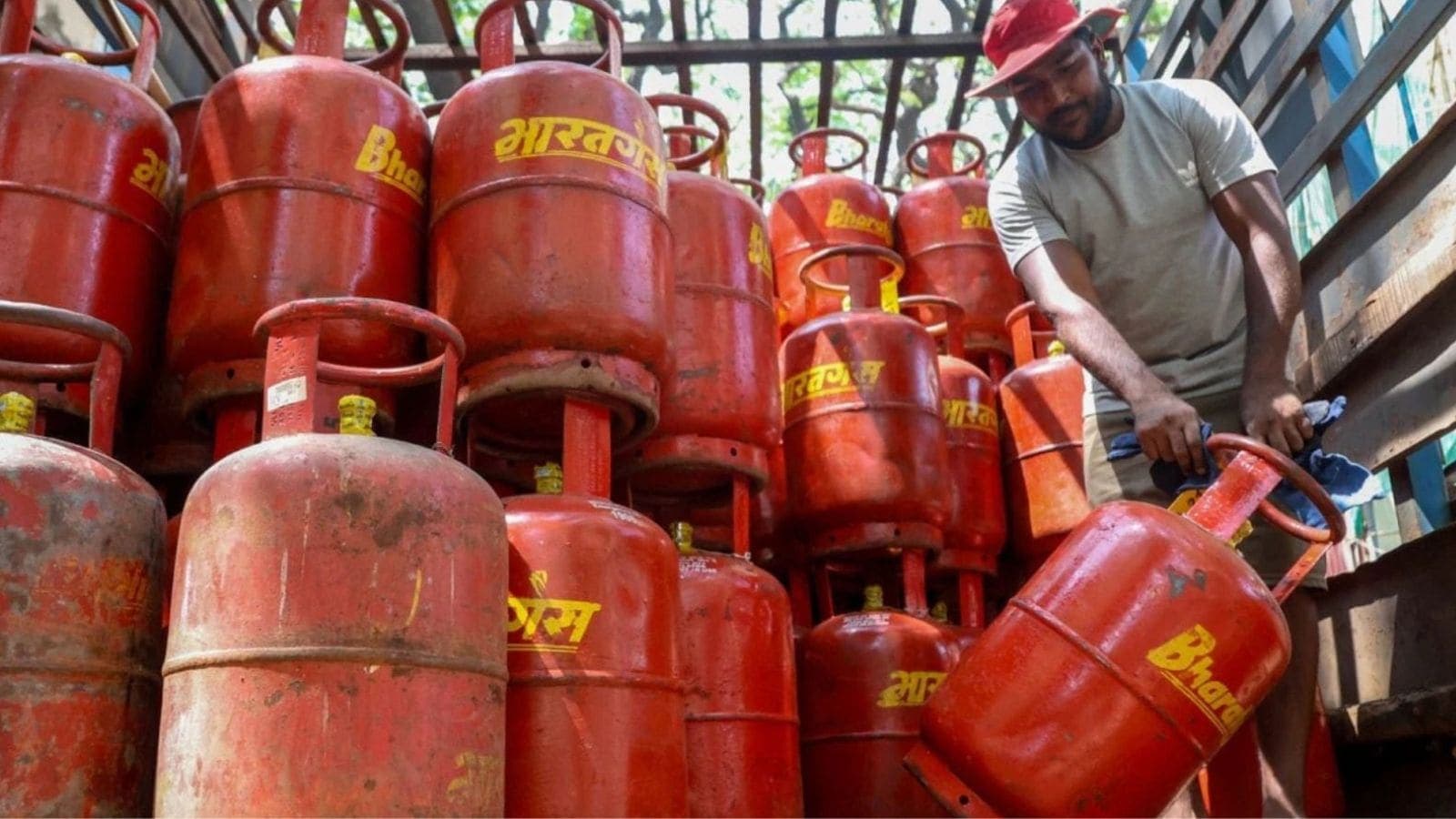
Commercial LPG prices have risen again, with increases of ₹42 in Delhi and ₹53.50 in Kolkata impacting businesses and consumers alike. Find out more.
Indian Express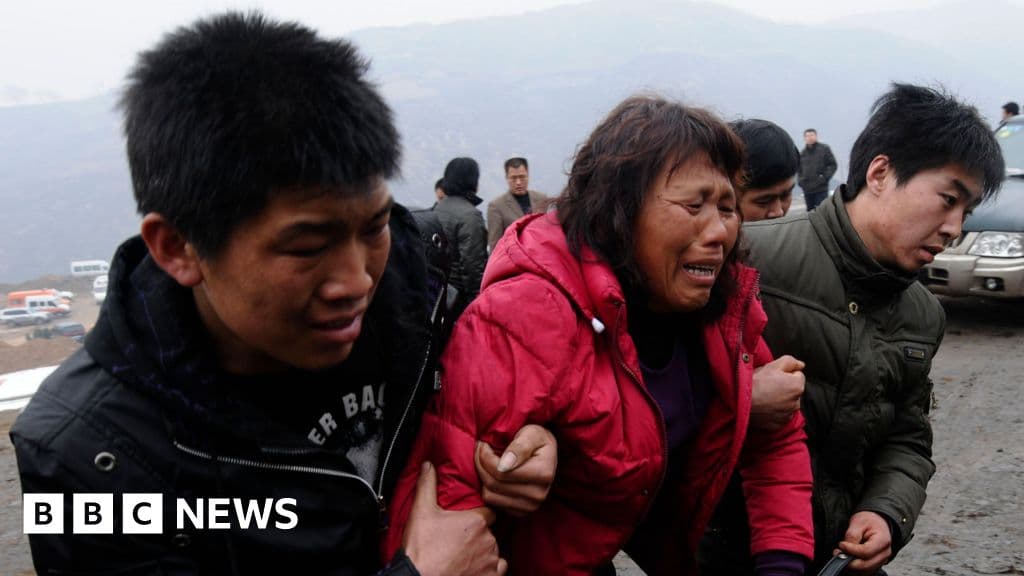
Discover how a tragic coal mine explosion in Shanxi, China, reveals ongoing safety concerns in the industry amidst a push for green energy.
BBC Business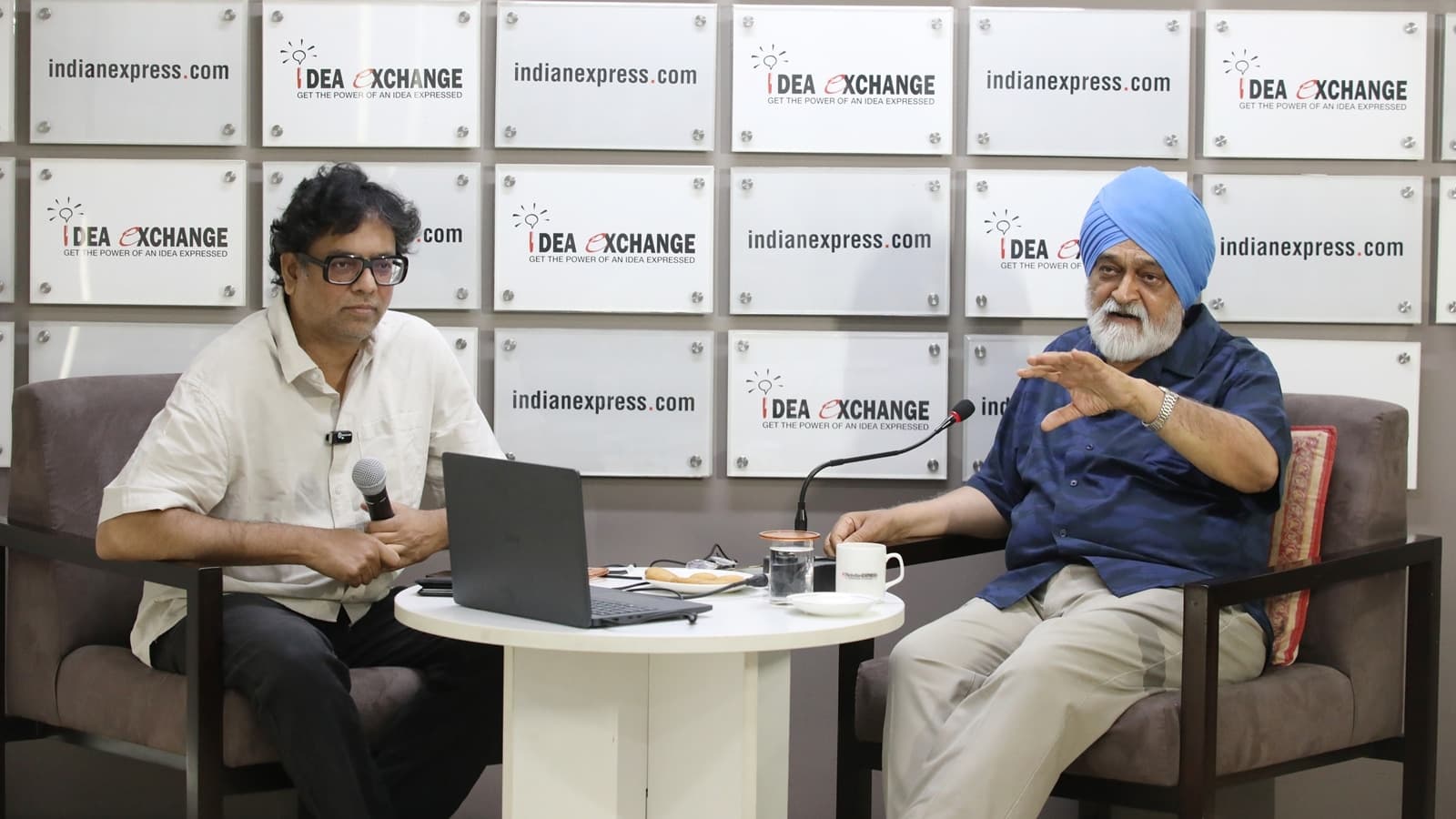
Montek Singh Ahluwalia highlights key economic challenges for India, emphasizing the need for a strategic approach to balance payments and investment.
Indian Express