

Image: TechCrunch
Discover how H&M is teaming up with Rubi to turn CO2 into sustainable clothing materials. Learn about this innovative technology's potential impact!
GlipzoThe fashion sector is grappling with a significant waste crisis, where approximately one garbage truck of textiles is discarded every second. This staggering statistic underlines an urgent need for innovative solutions within an industry that contributes more carbon emissions than both international flights and maritime shipping combined. As climate change becomes an ever-pressing issue, the fashion world is racing against time to find sustainable methods to reduce its environmental footprint.
Among the frontrunners in this effort is Rubi, a groundbreaking startup harnessing cutting-edge technology to convert captured carbon dioxide into usable materials for clothing. With the vision to revolutionize textile production, Rubi’s co-founder and CEO Neeka Mashouf describes their approach as “essentially taking the machinery of biology outside of the cell.” This innovative method could pave the way for the sustainable creation of lyocell and viscose, two popular textile fibers, without relying on fossil fuels.
Rubi has recently secured $7.5 million in funding to scale up its cellulosic production system, aimed at generating tens of tons of material using CO2 as a primary raw ingredient. The funding round was led by AP Ventures and FH One Investments, with additional support from CMPC Ventures, H&M Group, Talis Capital, and Understorey Ventures. This financial backing is not just a vote of confidence in Rubi’s potential but also highlights the increasing interest from the fashion industry in sustainable practices.
With over $60 million in non-binding off-take agreements from various partners, including retail giants like H&M, Patagonia, and Walmart, Rubi is poised to make a significant impact. Mashouf shared that the startup has conducted tests with 15 pilot partners, showcasing the viability of their materials and technology.
What sets Rubi apart from other companies in the textile recycling space is its unique use of enzymes to produce cellulose. While many startups rely on engineered bacteria or chemical catalysts to transform carbon dioxide into cellulose, Rubi employs a cascade of enzymes that process waste CO2 in an innovative way. This biochemical approach not only simplifies the production process but also has the potential to be more cost-effective.
Mashouf, whose background as a scientist included researching new materials, collaborated with her twin sister Leila, a medical student at Harvard, to explore various technologies. They ultimately concluded that enzymes offered the best solution for their ambitions to create sustainable textiles. “The enzyme industry is massive,” Mashouf noted, highlighting its existing applications in diverse fields such as high fructose corn syrup production and wastewater treatment.
Currently, Rubi's enzymes operate in an aqueous solution. Once carbon dioxide is introduced, the process yields white cellulose within minutes inside specially designed reactors. These reactors can be housed in modules the size of shipping containers, making the technology adaptable for various locations. Looking ahead, Rubi aims to refine its production process to enable continuous output, further enhancing efficiency.
While Rubi’s immediate goal is to cater to apparel brands, the company envisions a broader application of its technology across industries that require cellulose. “This really is a platform,” Mashouf explained, emphasizing their aim to manufacture essential chemicals and materials across the economy in an environmentally friendly manner.
The pressing need for sustainable solutions in the fashion industry cannot be overstated. With consumer awareness of environmental issues rising, brands are feeling the pressure to innovate and reduce waste. Rubi's approach not only addresses the urgent need for sustainable materials but also offers a glimpse into a future where carbon emissions are repurposed into valuable resources.
As Rubi continues to develop its technology, the implications for the wider textile and fashion industries could be profound. By shifting the production focus from tree-derived cellulose to carbon dioxide, the company is disrupting traditional supply chains and reducing dependence on deforestation.
As Rubi progresses with its funding and technological development, industry watchers are keen to see how the startup will influence sustainable practices in fashion. The company’s ability to scale production and secure additional partnerships will be critical in determining its long-term impact.
Key areas to watch include: - Expansion of partnerships with major brands seeking sustainable alternatives. - Advancements in production technology that may enhance efficiency and reduce costs. - The potential for Rubi’s cellulose to become a mainstream material across various industries, beyond just fashion.
With the backing of influential investors and a strong commitment to innovation, Rubi is well-positioned to lead the charge towards a more sustainable future in textile production, leveraging carbon emissions as a key resource. The journey ahead will be one to watch as the company strives to redefine the parameters of sustainable fashion.
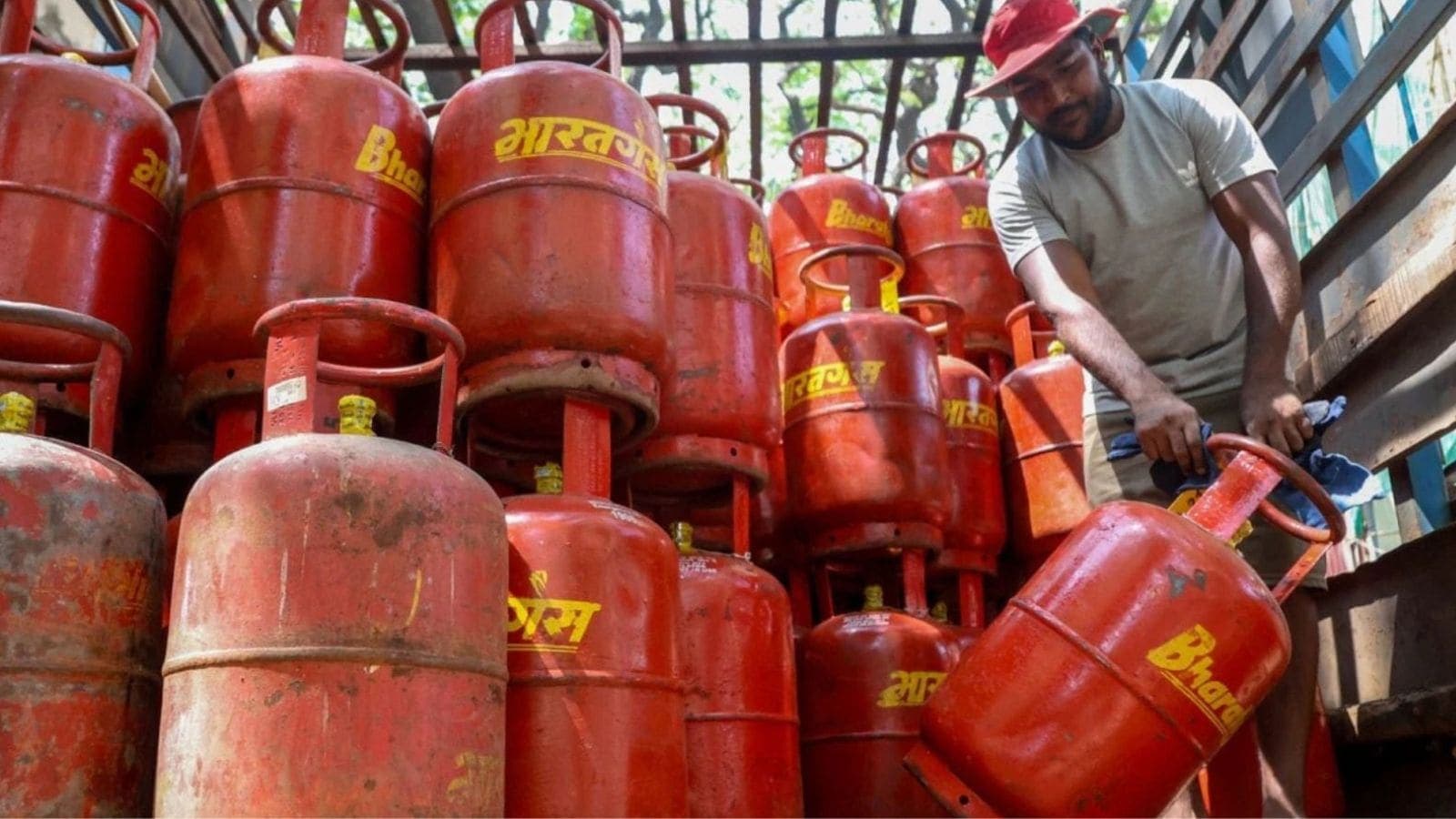
Commercial LPG prices have risen again, with increases of ₹42 in Delhi and ₹53.50 in Kolkata impacting businesses and consumers alike. Find out more.
Indian Express
Discover how a tragic coal mine explosion in Shanxi, China, reveals ongoing safety concerns in the industry amidst a push for green energy.
BBC Business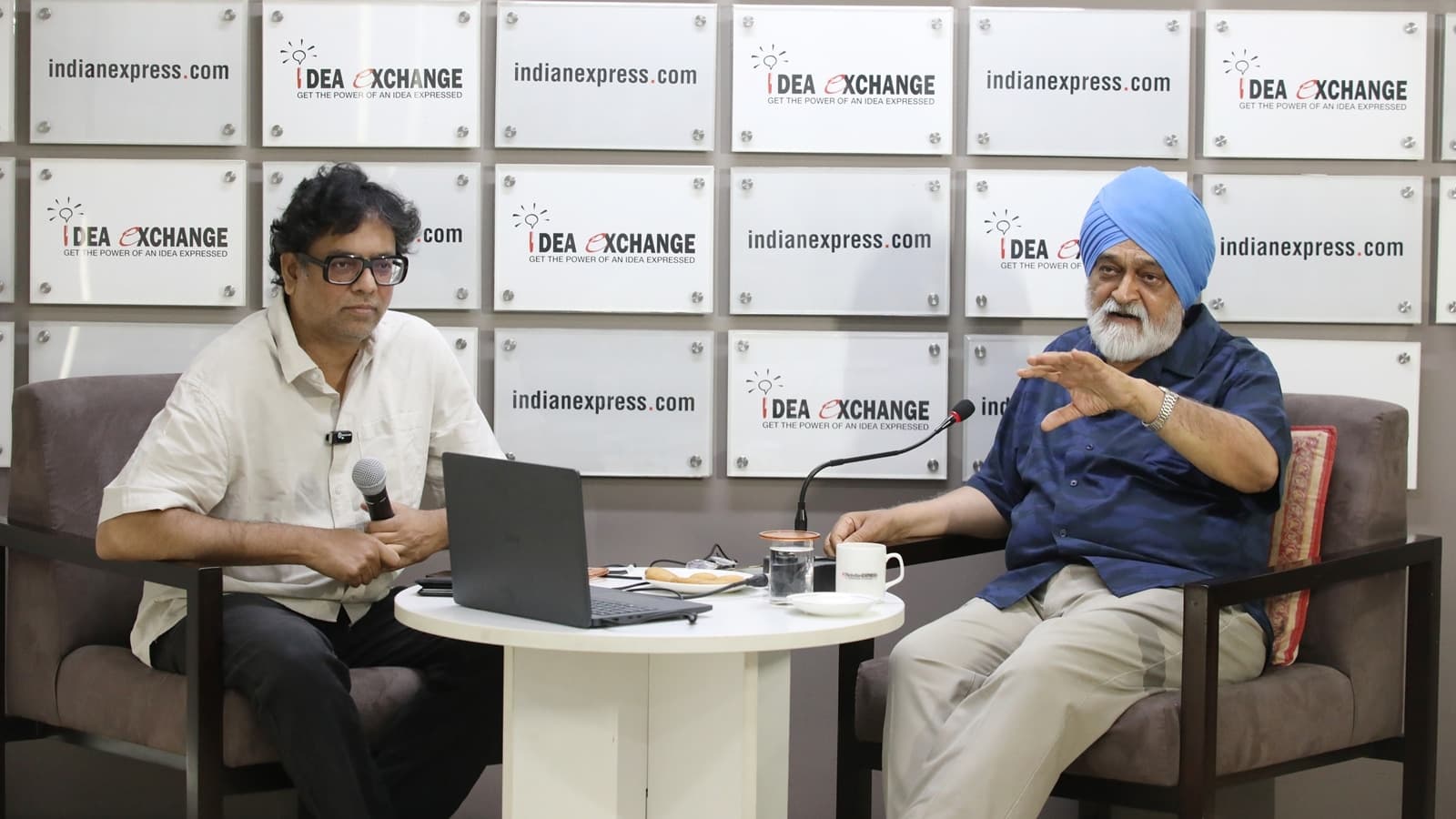
Montek Singh Ahluwalia highlights key economic challenges for India, emphasizing the need for a strategic approach to balance payments and investment.
Indian Express