
Image: BBC World
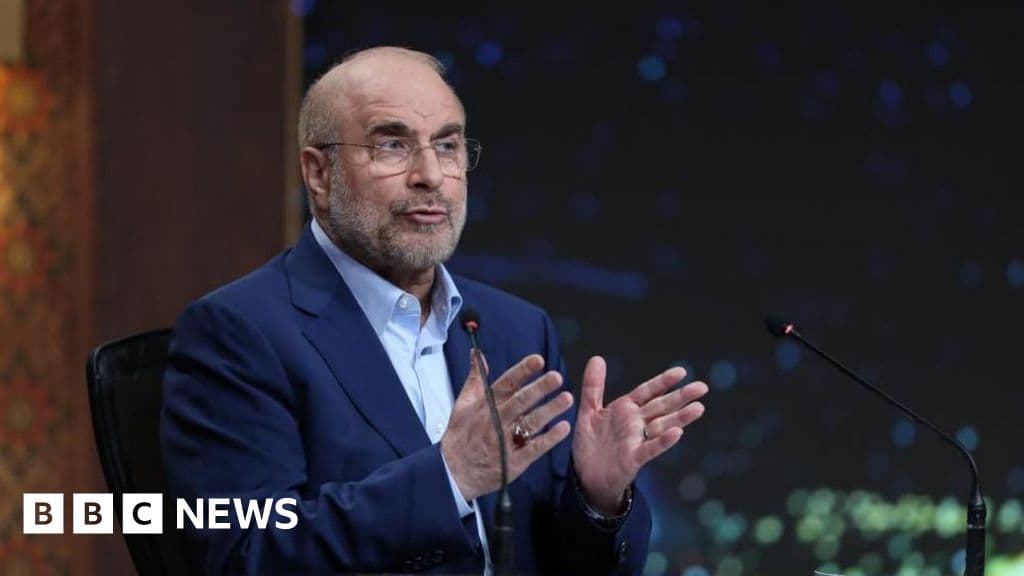
Will historic talks between Vance and Ghalibaf bridge decades of distrust? Explore the significance of their upcoming meeting and its global implications.
GlipzoThis weekend, US Vice President JD Vance is set to meet with Iran's Parliamentary Speaker Mohammad Bagher Ghalibaf in Islamabad, marking a potentially historic moment. This meeting is significant as it signifies the highest-level discussions between the United States and Iran since the 1979 Islamic Revolution, which severed the once-strong ties between the two nations.
While the prospect of a photograph capturing both leaders together may seem trivial, it carries immense weight in the context of a relationship fraught with historical tension. This encounter, even if devoid of smiles or handshakes, symbolizes a mutual desire to engage in dialogue, potentially putting an end to ongoing conflicts that have global repercussions.
Despite the hopeful optics, the reality on the ground remains grim. The two-week ceasefire recently announced has already faced skepticism, with its terms being contested almost immediately. The possibility of a lasting peace deal, as suggested by President Trump, seems unlikely, given the fragile state of negotiations and the trust issues that linger.
The last significant diplomatic engagement between Iran and the US occurred during the Obama administration, culminating in the 2015 nuclear deal. President Trump famously dismissed this agreement as the "worst deal in history" and withdrew the United States from it in 2018, effectively stalling progress and setting back relations between the two countries. Since then, diplomatic efforts have floundered, with little to no headway made under President Biden's administration.
Ali Vaez, from the International Crisis Group, notes that the stakes have never been higher for both sides, which could open up new avenues for dialogue. However, he warns that this current situation is "exponentially harder" due to the entrenched distrust between the two nations.
The challenges are compounded by Iran's recent experiences in negotiations, particularly those disrupted by the recent escalation of tensions involving Israel and the US. This has left Tehran hesitant to engage openly, particularly after last year's negotiations were abruptly halted by military actions.
The differences in negotiation styles between the two countries also play a crucial role in the dynamics of these talks. The US delegation, under the Trump administration, has relied on figures like Steve Witkoff and Jared Kushner, whose approaches have been criticized for their informality and lack of structure. This has often led to Iranian suspicions and a sense that discussions are more about optics than substance.
Iran has responded by seeking higher-level engagement in the form of Vice President Vance's participation in these talks. His presence is seen as a positive step, especially because he is perceived as a skeptic of military actions in the region. However, Iran continues to push for indirect negotiations, often mediated through Oman, to safeguard its interests and maintain a level of control over the dialogue.
As both nations prepare for this historic meeting, the underlying issues remain complex and multifaceted. The Iranian hardliners continue to exert influence, complicating the already tricky negotiation landscape. Their skepticism toward direct talks has resulted in a cautious approach that emphasizes indirect channels and a reluctance to engage fully in open discussions.
With both sides navigating their internal political landscapes, the potential for misunderstanding and miscommunication looms large. The lack of direct engagement in previous talks has often resulted in circular discussions, with little progress made. The absence of formal structures and the reliance on informal channels have only heightened tensions and distrust.
This meeting matters not just for the US and Iran but for global stability as a whole. The conflicts in the Middle East have far-reaching implications, impacting not only regional players but also global security. The outcome of these talks could either pave the way for a new era of diplomacy or further entrench existing hostilities.
As the world watches, the questions remain: Will this meeting lead to meaningful dialogue? Can both sides overcome decades of distrust? The answers will not only shape the future of US-Iran relations but could also redefine the geopolitical landscape in the region.
In the coming weeks, all eyes will be on Vance and Ghalibaf’s discussions. Observers are keen to see whether any tangible agreements emerge from these talks and how they might influence the broader diplomatic engagement in the Middle East. The potential for a shift in strategy could signal a newfound willingness to navigate the tumultuous waters of diplomacy, but the path ahead remains fraught with challenges.
As both sides grapple with their historical grievances, the success of these negotiations may depend on their ability to establish trust and find common ground. The stakes are high, and the world is waiting to see if this historic meeting can indeed turn the tide in US-Iran relations.

Tensions soar as the US and Iran engage in air strikes near the Strait of Hormuz, raising concerns over global oil supply and regional stability.
BBC World
Trump's international interventions face serious stalemates. What will this mean for U.S. foreign policy? Explore the critical challenges ahead.
Indian Express
Tehran denies resignation of President Masoud Pezeshkian amid claims of IRGC influence. What does this mean for Iran's political stability? Click to learn more!
Indian Express