A deadly heatwave in Kerala has led to heatstroke fatalities and increased snakebites. Learn how rising temperatures impact public health and safety.
Extreme Heat and Its Fatal Consequences in Kerala
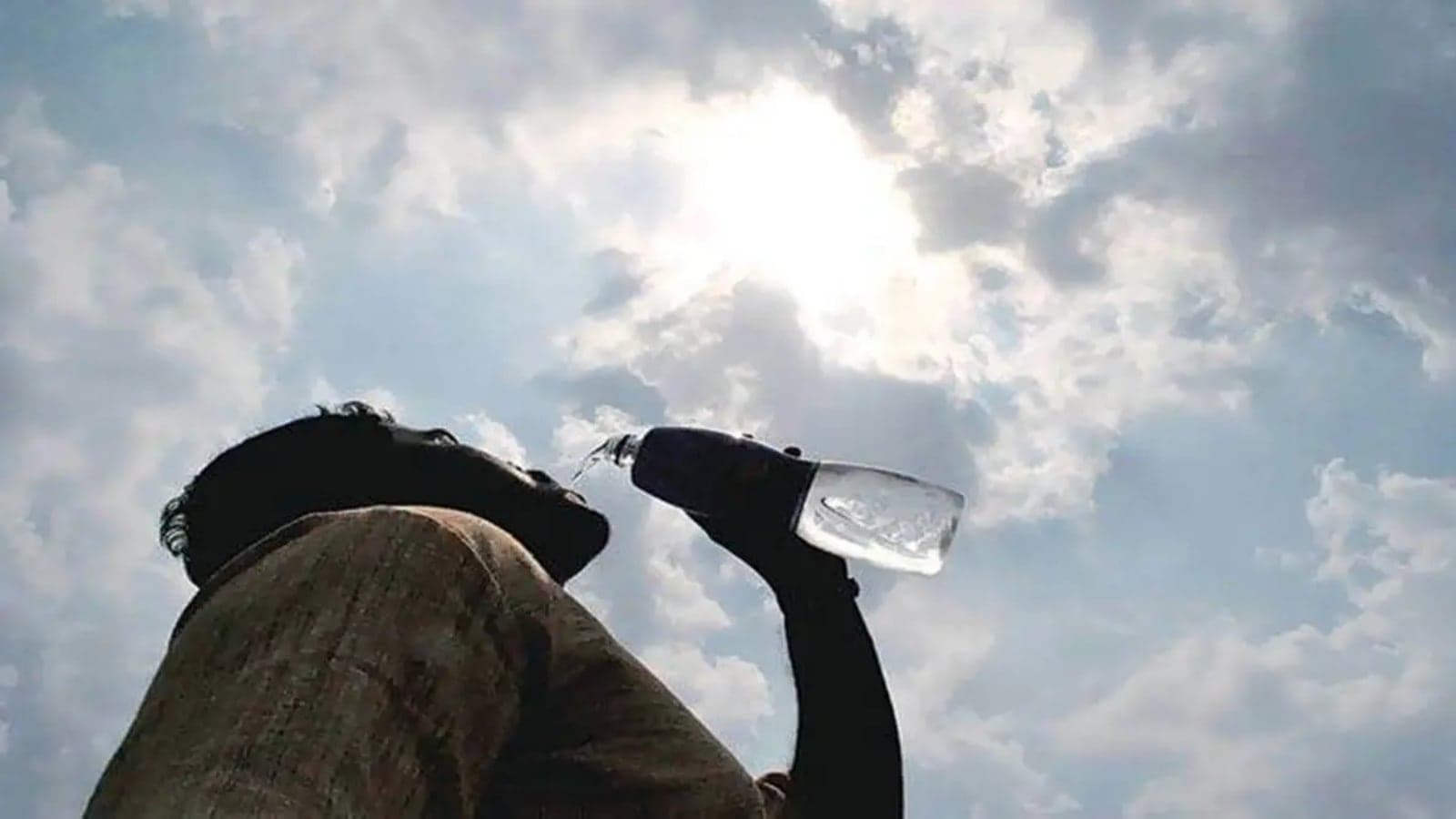
As Kerala swelters under a fierce heatwave, residents face dire consequences. In the past week alone, **one person has died from heatstroke**, and there has been an alarming increase in **snakebite incidents**. The state's Chief Minister, **Pinarayi Vijayan**, has warned residents to limit sun exposure from **11 am to 3 pm**, as the heat continues to escalate.
First Heatstroke Case of the Year
The tragic death of **37-year-old Sanal Kumar** from **Chakkarakkal** in the **Kannur district** marks Kerala's first confirmed heatstroke case this year. Kumar collapsed while digging an open well, and postmortem examinations revealed a body temperature of **107°F**. Health officials noted that a normal temperature is around **98°F**, with fever typically reaching **102°F to 103°F**. An official stated, “His exposure to direct sunlight and the postmortem findings strongly suggest heatstroke as the cause of death, although a formal audit will be conducted for confirmation.”
Rising Snakebite Incidents Amid Heat
In addition to heatstroke fatalities, the state has witnessed a spike in **snakebite cases**. On Sunday, two siblings in **Thrissur** were bitten by a venomous snake while sleeping on the floor. Tragically, one child died, while the other is currently in critical condition in the hospital. Just a few days later, a boy in **Thiruvananthapuram** also succumbed to a snakebite, which occurred when a snake sought refuge from the heat under the boy's sleeping area.
These incidents highlight a disturbing trend: as temperatures soar, snakes are driven closer to human habitats in their search for cooler environments. Muhammed Anvar, an Assistant Conservator of Forest, explained, “The summer heat forces snakes to look for cooler spots, often near homes. The presence of rodents and the breeding season also play significant roles in their movement.” Following the snakebite incidents in Thrissur, forest officials discovered multiple baby snakes on the property.
Extreme Temperatures in Kerala
The **India Meteorological Department (IMD)** has reported that daytime temperatures in **Palakkad district** have surpassed **40 degrees Celsius**. This heatwave has been particularly unbearable due to the state's high humidity, making the temperature feel closer to **45-50 degrees Celsius**. The IMD has issued heatwave warnings for **Palakkad, Kollam, and Thrissur**, emphasizing the severe impact of the humidity.
Chief Minister's Advisory for Residents
In response to the dangerous conditions, Chief Minister **Pinarayi Vijayan** has encouraged residents to engage in voluntary lockdowns during the hottest hours of the day. His advice includes:
- Avoiding direct sunlight from **11 am to 3 pm**.
- Limiting unnecessary travel and outdoor activities.
- Ensuring proper air circulation in homes and workplaces.
Factors Contributing to the Heatwave
**Dr. S Abhilash**, from the **Advanced Centre for Atmospheric Radar Research** at **Cochin University of Science and Technology**, explained that the current heatwave is exacerbated by several factors. Although Kerala has experienced high temperatures in previous years, the combination of **high humidity** and a **rain deficit** has intensified the situation this time. Reports indicate a **42% deficiency in rainfall** from **March 1 to April 23**, compounding the heat stress.
Looking ahead, Dr. Abhilash suggests that the weather may begin to improve after April 27, with isolated rains possibly offering some relief.
What to Watch For
As Kerala navigates this challenging heatwave, residents should remain vigilant and adhere to safety recommendations. Observers should also monitor weather updates for potential relief from the heat. The interaction between rising temperatures, wildlife behavior, and human health is a critical area of concern that warrants attention as the summer progresses. The state’s response to these challenges could serve as a model for other regions facing similar climate-related issues in the future.
With the situation evolving, local authorities and health officials will continue to monitor the impact of the heatwave and implement necessary precautions to safeguard the community. The blend of rising temperatures and increased snake activity highlights the urgency of addressing the intersection of climate change and public health in Kerala.