
Image: BBC Health
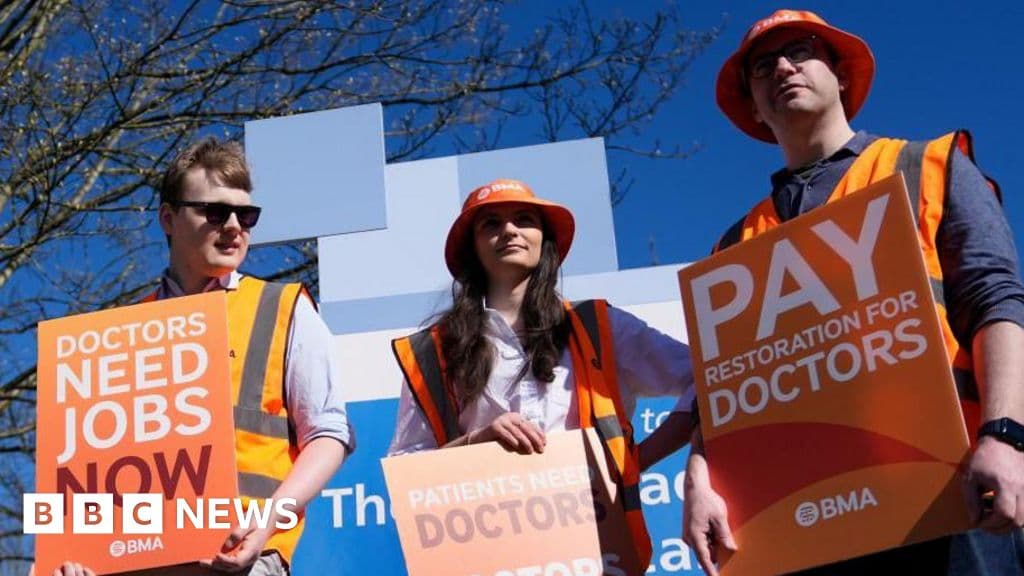
Health Secretary Wes Streeting denies altering pay deals for resident doctors amid ongoing strikes, emphasizing a need for negotiations with the BMA.
GlipzoIn a recent interview with the BBC, Health Secretary Wes Streeting emphatically stated that the government has not altered its agreement with resident doctors amid ongoing strikes concerning pay and employment conditions. The situation escalates as the British Medical Association (BMA) continues to represent resident doctors who are currently in the midst of a six-day walkout, which is set to conclude at 06:59 on Monday.
Streeting expressed a desire to meet with the leaders of the BMA's resident doctors' committee for further discussions, but he claimed that they have outright refused to engage. His remarks have sparked a heated debate regarding the negotiations, with both sides seemingly entrenched in their positions.
Dr. Jack Fletcher, the chair of the BMA's resident doctors' committee, countered Streeting’s claims by stating that discussions had previously included one or two-year settlements. However, he asserted that at the last moment, the government insisted that only a three-year deal with reduced funding was feasible. This disagreement underscores the complexities involved in negotiating health care pay and conditions during a time of industrial action.
The heart of the matter revolves around the compensation and working conditions for resident doctors, who argue that despite receiving pay increases totaling 33% over the last four years, they are still earning about 20% less than they were in 2008 when adjusted for inflation. The BMA has been vocal about the necessity for fair remuneration that reflects the current economic climate and the contributions of doctors to the health care system.
Streeting defended the government’s position by highlighting that resident doctors received a significant 28.9% pay rise shortly after the Labour government took office. He emphasized that there is a deal currently available that offers an average increase of 4.9% for this year, with even higher percentages for the lowest-paid doctors, pointing to a commitment to improving pay conditions.
Despite these assertions, the BMA maintains that the rising cost of living and inflation have eroded the value of these raises, and they insist that a meaningful resolution must be found to avoid further industrial actions.
In a statement to the BBC, Dr. Fletcher reiterated that the BMA remains open to discussions with the health secretary, emphasizing their commitment to resolving the issue. He noted that the BMA has always negotiated in good faith, reflecting their genuine desire to reach a constructive agreement with the government.
Streeting’s comments during the interview further complicated the narrative. He suggested that the BMA might not have fully understood the details of the deal or that they were deflecting blame due to the size of their committee. He stated, “We’ve gone as far as we can... The BMA needs to stop pretending that I can solve all of their problems in less than two years.” This statement reflects the ongoing frustrations on both sides regarding the negotiations.
The ongoing strikes and negotiations have significant implications for health care services in England. Streeting expressed disappointment regarding the latest walkout’s impact, particularly its operational consequences. He indicated that the BMA's strikes have hindered the government's ability to introduce 1,000 out of 4,500 additional training places this year, showcasing how labor disputes can have cascading effects on the healthcare system.
As the strike continues, the pressure mounts on both the government and the BMA to find common ground. The current stalemate raises concerns about the long-term implications for patient care and the recruitment of future medical professionals. Health services have been operating under strain, and the absence of resident doctors further complicates the provision of care.
With the deadline for the current strike approaching, all eyes are on the upcoming negotiations between the government and the BMA. What happens next will be crucial not only for resident doctors but for the entire healthcare system in England. The government has indicated a willingness to engage, but only time will reveal if meaningful negotiations can take place.
Going forward, it will be essential to monitor how both parties approach the negotiations. Stakeholders will be eager to see if the BMA can secure a deal that addresses their concerns about pay and working conditions while also considering the constraints faced by the government.
The broader implications of this dispute also highlight the challenges within the health care sector, particularly as it pertains to recruitment and retention of medical professionals in a post-pandemic landscape. The outcomes of this conflict may set precedents for future negotiations and labor relations in the health care field.
In summary, the ongoing dialogue between the Health Secretary and the BMA is critical, and how both parties navigate this complex landscape will be pivotal in shaping the future of health care provision in England.

Shocking findings from Nottingham's maternity unit reveal a toxic culture and alarming neglect. What can be done to improve care? Discover the details.
BBC Health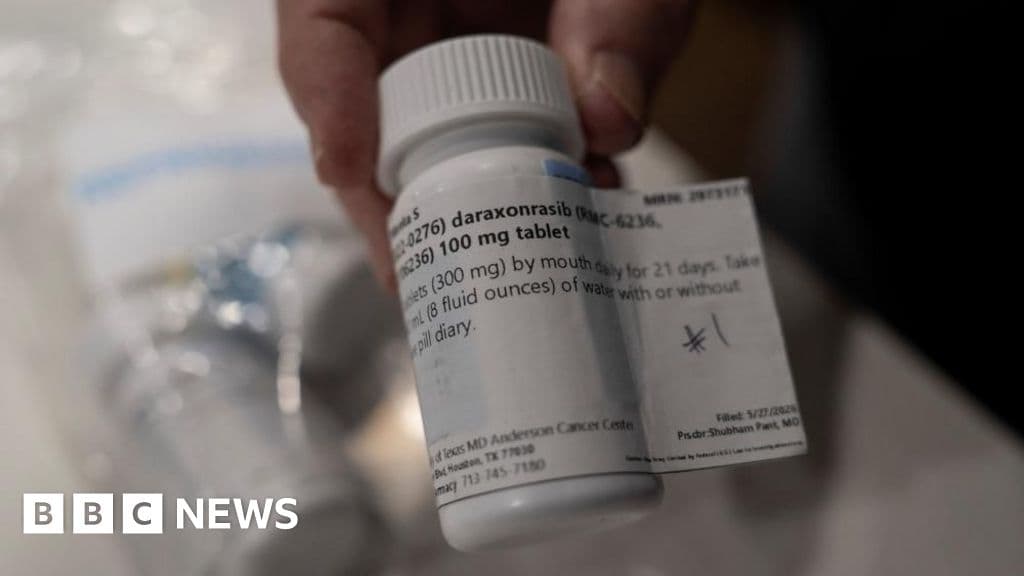
Discover how daraxonrasib, a new pill, is nearly doubling survival rates for pancreatic cancer patients, offering hope in a challenging battle against this deadly disease.
BBC Health
Waste companies propose a £5 deposit on vapes to encourage proper disposal and curb littering as the environmental impact of vapes increases.
BBC Business