

Image: BBC Health
Health Secretary Wes Streeting denies changing pay deal for resident doctors amid ongoing strikes. What’s next for negotiations? Click to find out.
GlipzoIn a decisive statement, Health Secretary Wes Streeting has firmly rejected allegations that the government modified its pay agreement with resident doctors amid ongoing industrial action. Speaking with the BBC, Streeting emphasized that the government has not altered the terms of the deal, countering claims that recent negotiations had led to significant last-minute changes. This communication comes as resident doctors in England enter the final hours of a six-day strike, which is scheduled to conclude at 06:59 on Monday.
Streeting's comments reflect the heightened tensions between the government and the British Medical Association (BMA), the union representing the doctors. He expressed a desire to engage with the leadership of the BMA's resident doctors' committee, but claimed that they have “point blank refused” to meet for further discussions. This lack of communication underscores a growing rift, as both sides grapple with the implications of the strikes and their demands for better pay and working conditions.
The chair of the BMA resident doctors' committee, Dr. Jack Fletcher, responded to Streeting's comments, clarifying that discussions around pay settlements had indeed taken place. Fletcher stated that while one- or two-year agreements were on the table, the government insisted that a three-year deal was the sole option, which allegedly involved reduced investment. This critical detail highlights the complexities of the negotiations and the contrasting narratives from both parties.
During his interview on the BBC's Sunday with Laura Kuenssberg, Streeting reaffirmed his stance, stating that it would not serve either party's interest to change the deal at the last moment. He suggested that the BMA may not have fully comprehended the details of the agreement or chose to redirect blame towards the government due to the pressures of negotiating with a large committee.
Streeting also conveyed a message of ongoing cooperation, asserting the need for mutual compromise. "We’ve gone as far as we can; I’m never going to shut the door to the BMA," he stated, while also reminding the union that expectations must align with the realities of the situation. This acknowledgment of limitations reflects the broader context of negotiations within the healthcare sector, where resources are often constrained.
The ongoing strike has raised concerns over the operational capacity of the healthcare system in England. In an open letter published on X, Streeting expressed his disappointment regarding the BMA's decision to strike, citing the financial and operational repercussions that have arisen from the walkouts. He emphasized that the strikes have hindered the government's ability to introduce 1,000 out of 4,500 additional training positions this year, a critical move aimed at bolstering the healthcare workforce.
The BMA's ongoing actions, including the current strike, have significant implications for patient care and the overall functioning of the National Health Service (NHS). As negotiations continue, the urgency for both sides to reach a resolution becomes increasingly apparent.
As the strike concludes, attention will shift toward the next steps in negotiations between the government and the BMA. Observers will be keenly watching for: - Further Meetings: Will Streeting and BMA leaders finally engage in direct discussions? - Responses from Resident Doctors: How will the doctors' committee react to the government’s statements? - Public Sentiment: With patients affected by strikes, how will public opinion influence negotiations?
In conclusion, the standoff between the government and resident doctors encapsulates broader issues within the UK healthcare system. As both sides navigate this complex landscape, the outcomes of these negotiations could significantly impact healthcare delivery and the future of medical employment in the UK. The path forward will require not only dialogue but also a willingness to compromise in the pursuit of a sustainable resolution.

Shocking findings from Nottingham's maternity unit reveal a toxic culture and alarming neglect. What can be done to improve care? Discover the details.
BBC Health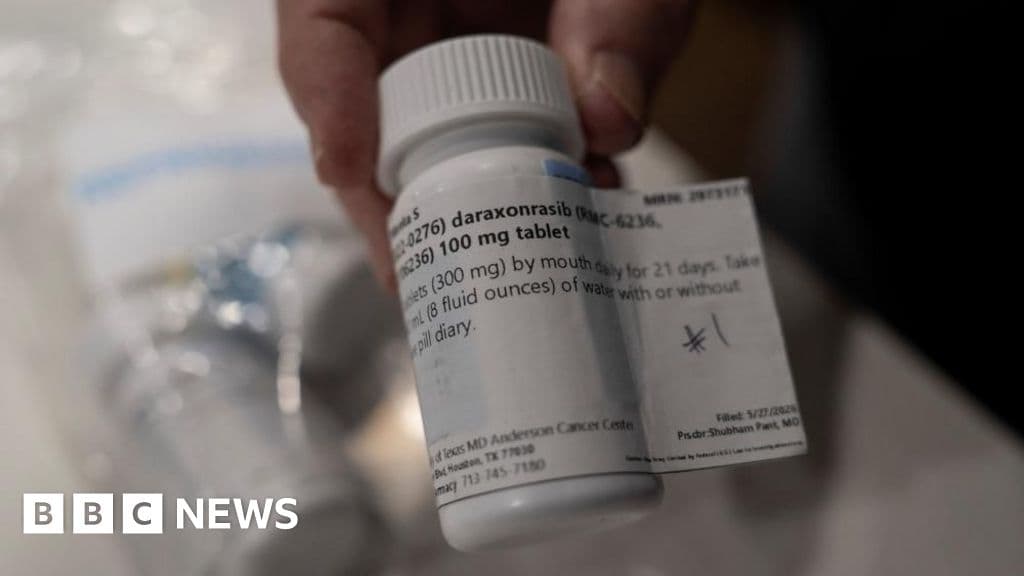
Discover how daraxonrasib, a new pill, is nearly doubling survival rates for pancreatic cancer patients, offering hope in a challenging battle against this deadly disease.
BBC Health
Waste companies propose a £5 deposit on vapes to encourage proper disposal and curb littering as the environmental impact of vapes increases.
BBC Business