
Image: BBC Health
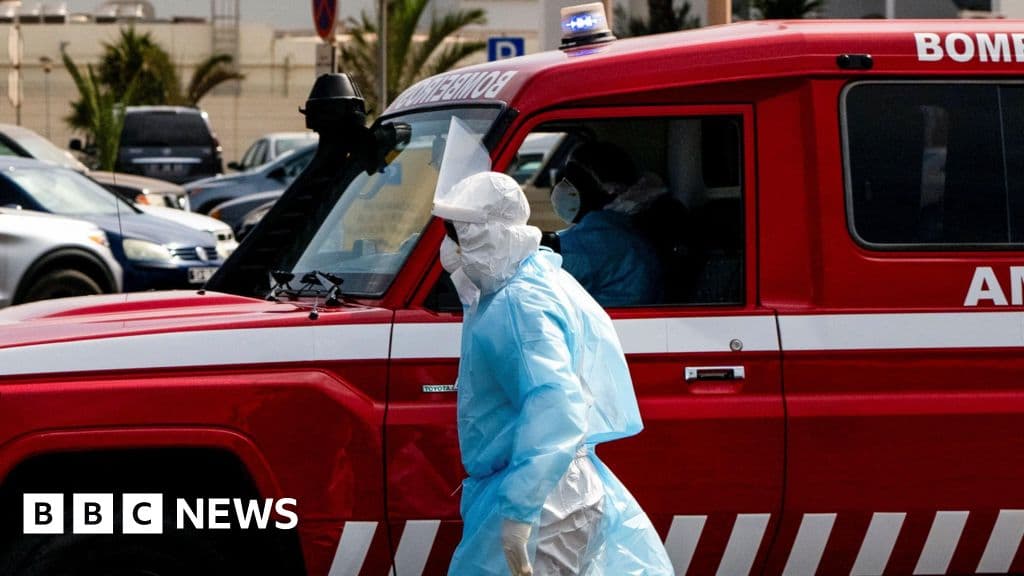
A hantavirus outbreak on the MV Hondius cruise ship raises concerns. Discover what you need to know about symptoms, risks, and government responses.
GlipzoA recent hantavirus outbreak aboard the MV Hondius cruise ship has raised alarms among health authorities, as three passengers have tragically died either during or after their journey. The ship, which departed from Argentina about a month ago, was carrying travelers from various countries, further complicating the situation as officials scramble to trace those potentially exposed.
In the wake of this alarming event, four additional passengers were medically evacuated for treatment, leading to a large-scale operation aimed at identifying and monitoring individuals who might have been in contact with the virus before returning home. Countries affected by this outbreak include the UK, South Africa, the Netherlands, the US, and Switzerland.
Despite the serious nature of the outbreak, health experts are emphasizing that the overall risk to the public remains quite low. In a statement released on Thursday, Dr. Maria Van Kerkhove from the World Health Organization (WHO) clarified that this situation should not be compared to the COVID-19 pandemic or influenza. She stated, "This is not Covid, this is not influenza; it spreads very, very differently."
The strain of hantavirus involved in this outbreak, known as the Andes strain, is not highly infectious. While human-to-human transmission is possible, the likelihood of widespread transmission remains minimal. The WHO reported that eight cases have been documented among passengers, with three confirmed and five suspected cases of hantavirus infection.
Hantavirus is primarily transmitted through contact with infected rodents. Individuals can contract the virus by inhaling particles from rodent urine, droppings, or saliva. Notably, the MV Hondius cruise included visits to remote wildlife areas, which could have exposed passengers to the virus before boarding.
In previous outbreaks, the Andes strain has been observed to spread among humans with close contact, raising concerns about the close quarters typical on cruise ships. Shared cabins and dining areas can facilitate the transmission of infections, particularly among those who spend extended periods together.
In light of the outbreak, British passengers returning from the MV Hondius are being advised to self-isolate for 45 days as a precautionary measure. Prof. Robin May, chief scientific officer at the UK Health Security Agency (UKHSA), described the contact-tracing efforts as a "mammoth task" that will continue for the foreseeable future.
The UKHSA has reassured the general public that the risk of transmission outside the cruise scenario is extremely low. Prof. May added, "For the broader public, the risk here is really negligible."
Symptoms of the Andes strain of hantavirus typically emerge two to four weeks after exposure but can manifest even later. Those who may have been exposed, including passengers and medical personnel, are being closely monitored. Symptoms include: - Fever - Fatigue - Muscle aches - Shortness of breath - Stomach pain - Nausea, vomiting, or diarrhea
While tests are available to diagnose hantavirus, there is no specific antiviral treatment. However, early medical intervention can significantly improve survival rates. Patients are primarily treated for their symptoms, highlighting the importance of awareness and timely medical care.
The recent hantavirus outbreak serves as a reminder of the potential risks associated with travel, particularly in close quarters like cruise ships. As health authorities work diligently to contain the situation, it is crucial for the public to understand the nature of hantavirus and the low risk it poses to those not directly involved in the outbreak.
Looking forward, it will be essential to monitor any further developments regarding the spread of the virus and the efficacy of public health responses. Authorities will likely continue their rigorous contact-tracing efforts and provide updates on the health of affected individuals as well as any emerging cases.
As travelers resume their journeys, staying informed about health risks and necessary precautions is paramount. The situation remains fluid, and vigilance will be key in preventing further outbreaks of hantavirus and protecting public health.

Shocking findings from Nottingham's maternity unit reveal a toxic culture and alarming neglect. What can be done to improve care? Discover the details.
BBC Health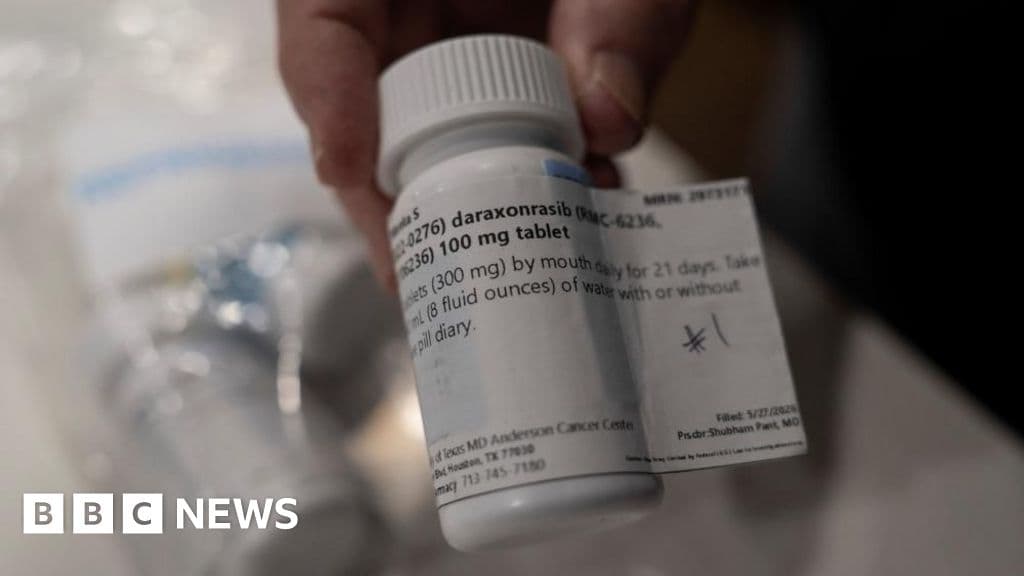
Discover how daraxonrasib, a new pill, is nearly doubling survival rates for pancreatic cancer patients, offering hope in a challenging battle against this deadly disease.
BBC Health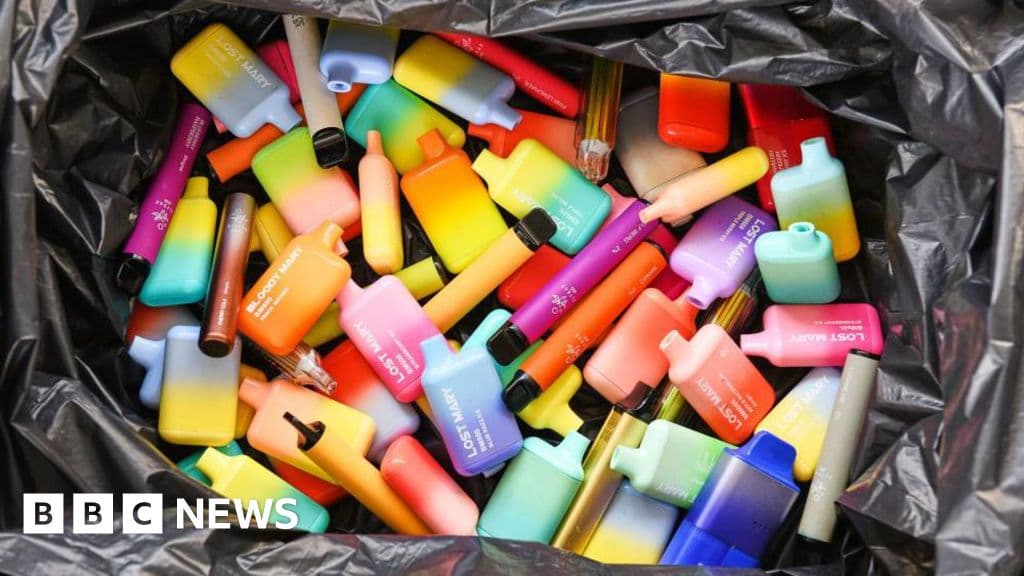
Waste companies propose a £5 deposit on vapes to encourage proper disposal and curb littering as the environmental impact of vapes increases.
BBC Business