
Image: BBC Health
Discover the details of the hantavirus outbreak on the MV Hondius cruise ship, including symptoms, transmission, and what health officials are doing.
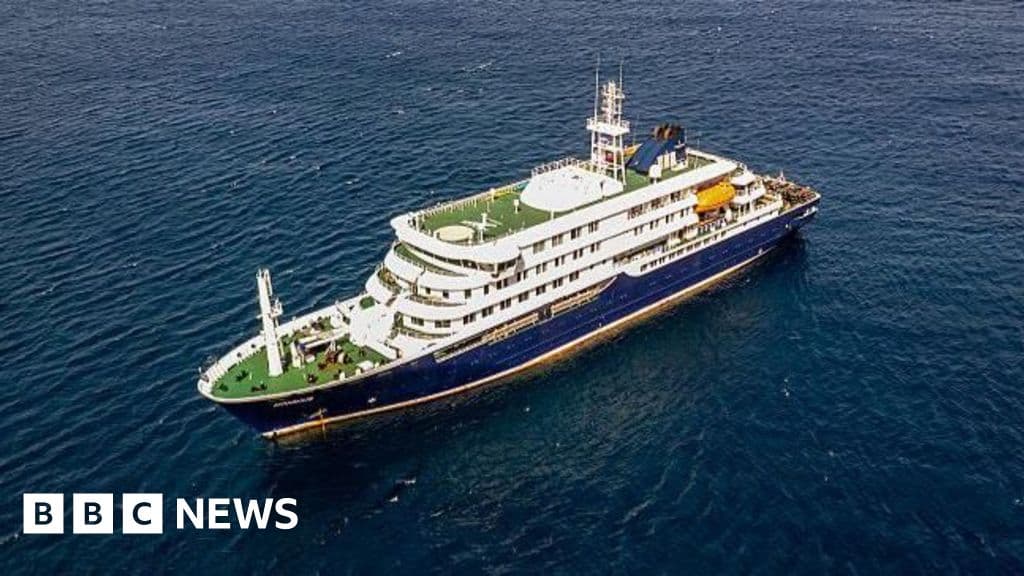
GlipzoA hantavirus outbreak aboard the MV Hondius has raised alarms as it sails toward the Canary Islands. This outbreak, linked to at least three confirmed cases and five suspected cases, has led to the tragic death of one passenger, and authorities are investigating two additional fatalities. Health officials have confirmed that the Andes strain of the virus is present among the passengers, with two individuals evacuated to South Africa for medical treatment. The ship was en route from Argentina to Cape Verde when the situation escalated.
Hantaviruses are a group of viruses rather than a single entity, with over 20 different species identified by the World Health Organization (WHO). Most strains are transmitted through rodents, particularly rats and mice, via exposure to their dried urine and droppings. However, the Andes virus is notably different as it can occasionally spread from person to person, although such occurrences are extremely rare.
The Andes virus, primarily found in Argentina and Chile, gained notoriety in 2018 during an outbreak linked to a social event in Argentina, where one infected individual led to 34 confirmed cases and 11 deaths. In light of this outbreak, the WHO is closely monitoring the situation on the Hondius, operating under the premise that the virus may be transmitted through close physical contact among passengers and crew, as well as interactions with potentially infected rodents.
As a precaution, the passengers are currently confined to their cabins to minimize exposure, echoing the social distancing measures many became accustomed to during the COVID-19 pandemic. Experts recommend several critical measures to contain the outbreak, including: - Isolation of infected individuals - Regular handwashing - Tracing and monitoring close contacts - Implementing stringent infection control practices
Despite the containment measures, the precise origin of the outbreak remains unclear. Investigators are looking into the travel history of the deceased Dutch couple, who boarded the ship after visiting South America. It’s plausible that they were exposed to the virus during their travels or even during the cruise itself, which included visits to wildlife areas known for potential rodent exposure. Continuous genetic testing of the virus may provide insights into how it was introduced aboard the vessel.
For the general population, health experts assert that the risk of widespread infection is currently low. There’s no evidence to suggest that the virus has spread beyond the confines of the ship. Typically, hantavirus is transmitted through direct contact with rodent excretions, such as droppings and urine, or through inhalation of aerosolized particles when these materials are disturbed. Unlike viruses such as the flu, hantavirus is not spread through respiratory droplets during casual contact.
Hantavirus can lead to two severe illnesses, the most notable of which is Hantavirus Pulmonary Syndrome (HPS). Symptoms often begin with general signs such as fatigue, fever, and muscle aches, progress to headaches, dizziness, chills, and abdominal issues, and can escalate to severe respiratory distress requiring immediate medical intervention. The mortality rate for HPS can range between 20% to 40%, significantly amplifying the threat posed by the Andes strain.
The incubation period for hantavirus infections can be particularly problematic, lasting from one to eight weeks. This extended timeline complicates the identification and containment of outbreaks, making timely detection and response critical in preventing further cases.
The ongoing outbreak aboard the MV Hondius underscores the importance of vigilance regarding zoonotic diseases like hantavirus. With its potential for severe health outcomes and the unique transmission dynamics of the Andes strain, this situation serves as a reminder of the interconnectedness of global public health.
As the ship approaches the Canary Islands, passengers and crew are being urged to adhere to strict health protocols. The incident also highlights the need for continued research and public awareness regarding hantavirus, especially in regions where rodent exposure is prevalent.
Looking ahead, health authorities are likely to intensify monitoring of the situation as the ship docks. Travelers and crew will be subject to health screenings, and any new cases will be closely tracked. The findings from genetic testing could illuminate the virus's pathway onboard and inform future preventative measures.
As the world continues to navigate the complexities of infectious diseases, this outbreak serves as a critical case study in the importance of preparedness, rapid response, and public awareness. It’s essential for everyone to stay informed about the evolving situation and the measures being taken to safeguard public health.
In conclusion, while the immediate risk of hantavirus spread remains low, the incident is a poignant reminder of the potential dangers lurking in our environment and the crucial need for ongoing vigilance against emerging infectious diseases.

Shocking findings from Nottingham's maternity unit reveal a toxic culture and alarming neglect. What can be done to improve care? Discover the details.
BBC Health
Discover how daraxonrasib, a new pill, is nearly doubling survival rates for pancreatic cancer patients, offering hope in a challenging battle against this deadly disease.
BBC Health
Waste companies propose a £5 deposit on vapes to encourage proper disposal and curb littering as the environmental impact of vapes increases.
BBC Business