
Image: BBC World
Hantavirus outbreak on MV Hondius raises concerns, but WHO declares low public health risk. Learn what this means for travelers and health safety.
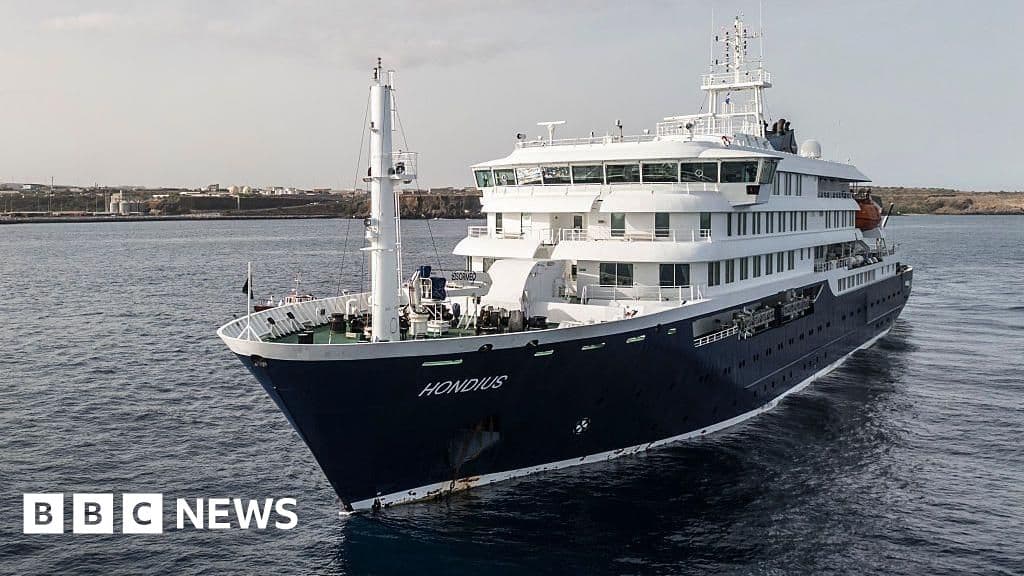
GlipzoA recent hantavirus outbreak aboard the cruise ship MV Hondius has raised concerns but is not deemed a precursor to a pandemic, according to the World Health Organization (WHO). Maria van Kerkhove, an infectious disease epidemiologist at the WHO, reassured the public during a news briefing that this situation differs significantly from the outbreak of COVID-19 six years ago. Hantavirus primarily spreads through close contact, contrasting sharply with the airborne transmission of viruses like COVID-19.
Health authorities are actively tracing individuals who recently disembarked from the Dutch vessel, which embarked on its voyage from Ushuaia, Argentina, on April 1 and is scheduled to reach Spain's Canary Islands by May 10. As of the latest updates, five out of eight suspected cases of hantavirus have been confirmed, with three fatalities, including a 69-year-old Dutch woman.
Traditionally, hantavirus is transmitted from rodents, but this outbreak marks a significant shift as it has shown evidence of person-to-person transmission. According to the WHO, this is an unprecedented development in the context of hantavirus outbreaks.
Van Kerkhove emphasized the differences in how the hantavirus spreads compared to other respiratory illnesses, stating, “This is not Covid, this is not influenza; it spreads very, very differently.” Passengers aboard the ship have been advised to wear masks, and those caring for suspected cases must utilize advanced protective equipment.
During the same briefing, WHO Director-General Dr. Tedros Ghebreyesus assessed the public health risk as low. He noted that the first two confirmed cases had traveled across Argentina, Chile, and Uruguay, participating in a bird-watching tour that included locations known to harbor the rodent species associated with hantavirus.
Dr. Tedros also highlighted the potential for additional cases to emerge due to the disease’s incubation period, which can extend up to six weeks. The WHO is monitoring reports of other individuals exhibiting symptoms who may have interacted with the affected passengers.
In response to the outbreak, Oceanwide Expeditions, the cruise line operating the MV Hondius, has reported that 29 passengers from various nationalities disembarked in St. Helena on April 24. Among them was the body of a deceased Dutch man. The UK Health Security Agency (UKHSA) confirmed that two British nationals who left the ship are currently self-isolating in the UK, while four others remain in St. Helena. Efforts are ongoing to trace one individual who has not yet returned.
The situation has prompted Spain to engage in discussions with the UK regarding a repatriation flight for British passengers once the ship arrives in the Canary Islands. Virginia Barcones, head of Spain's civil protection, stated that there are 19 British passengers and four crew members still aboard the vessel, alongside four Americans. The U.S. has offered to send a plane for its citizens.
Oceanwide Expeditions has communicated that the first confirmed case of hantavirus was reported on May 4, and they have reached out to all guests who disembarked to ensure their safety and health. The cruise operator remains in close coordination with relevant health authorities concerning arrival protocols, quarantine measures, and screening procedures.
The Dutch government has confirmed that the MV Hondius stopped in St. Helena en route to Cape Verde, an archipelago off the coast of West Africa. The investigation into the cases continues, with health officials working diligently to monitor and contain the situation.
The emergence of a hantavirus outbreak aboard a cruise ship raises significant public health questions and highlights the importance of rapid response and effective communication. Understanding the transmission dynamics of hantavirus is crucial, especially as this case marks a potential shift in how the virus can spread.
As health authorities continue to investigate and manage the situation, it is essential for travelers and the general public to remain informed about the virus and its transmission. The WHO's assessment of a low public health risk provides some reassurance, but vigilance remains necessary, especially in communal settings like cruise ships.
Moving forward, it is vital to monitor the health status of individuals who had contact with the cruise ship passengers. The WHO and local health authorities will continue to provide updates as more information becomes available. Travelers should stay updated on health advisories and be aware of the symptoms associated with hantavirus, particularly if they have engaged in activities in regions where the virus is prevalent.
In conclusion, while the hantavirus outbreak aboard the MV Hondius is concerning, the WHO’s current assessment suggests that it is not a pandemic threat. However, public health officials will remain vigilant in tracking the situation as it develops.

Shocking findings from Nottingham's maternity unit reveal a toxic culture and alarming neglect. What can be done to improve care? Discover the details.
BBC Health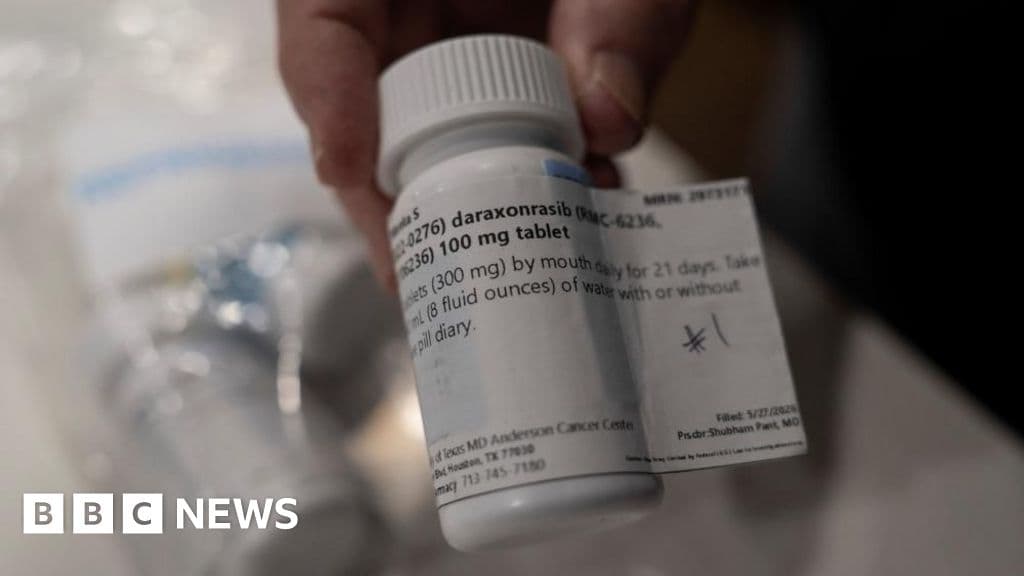
Discover how daraxonrasib, a new pill, is nearly doubling survival rates for pancreatic cancer patients, offering hope in a challenging battle against this deadly disease.
BBC Health
Waste companies propose a £5 deposit on vapes to encourage proper disposal and curb littering as the environmental impact of vapes increases.
BBC Business