

Image: The Hindu
Gulmarg hoteliers withdraw eviction petitions, seeking to resolve disputes with the J&K government amid new land grant rules changing lease terms.
GlipzoIn a significant development for the tourism sector in Kashmir, hoteliers in Gulmarg have decided to withdraw their legal petitions against proposed evictions. This decision comes in the wake of a looming auction affecting approximately 52 structures, which includes 32 hotels and 20 huts spanning over 38 acres.
On March 20, 2026, senior attorney Zaffar Shah made a plea in the J&K High Court to allow the withdrawal of these petitions. A judicial bench led by Chief Justice Arun Palli and Justice Rajnesh Oswal granted this request. According to a hotelier speaking under conditions of anonymity, the petitioners now plan to engage directly with the Jammu and Kashmir (J&K) government to resolve the ongoing disputes.
Official sources indicate that the current J&K government differs from the previous administration led by the Lieutenant Governor (L-G). The new government is reportedly looking to establish a committee aimed at addressing lease issues and conducting fair auctions. This contrasts sharply with the L-G administration's stance, which pushed for auctioning lease properties while preventing existing occupants from participating in new bids.
Senior Additional Advocate General Mohsin Qadri, representing the L-G office, expressed support for a solution that is “fair, reasonable, and equitable.” This shift in approach has brought an end to a prolonged legal struggle for local hoteliers who opposed the fresh regulations introduced by the L-G administration under the J&K Land Grant Rules 2022. These new rules would have invalidated existing leases and barred current occupants from reapplying in upcoming auctions.
The controversial 2022 regulations, which replaced the 1960 Land Grants Rules, proposed a reduction in lease periods from 99 years to 40 years. Furthermore, they lifted restrictions preventing outsiders from acquiring leases on government land, a move that many local hotel owners viewed as an attempt to favor affluent outsiders over local businesses.
Local hoteliers expressed their fears that these changes would undermine their livelihoods and diminish the region's cultural heritage. As a result, the withdrawal of petitions might signal a strategic move to negotiate better terms with the government rather than continuing to fight in court.
In parallel to these developments, Tanvir Sadiq, a legislator from the ruling National Conference (NC) party, has introduced a private member’s Bill in the Jammu and Kashmir Legislative Assembly. This proposed legislation, titled “The Jammu and Kashmir Land Grants (Restoration and Protection) Bill, 2025,” seeks to reinstate the original Land Grants Act as it was prior to the amendments made in 2022.
Sadiq emphasized that the aim of the Bill is to revive the framework established in 1960 that governs land leases and grants throughout the Union Territory. This move reflects a growing sentiment among local politicians and business owners to protect their interests amidst shifting government policies.
The recent developments in Gulmarg highlight the delicate balance between local interests and broader economic policies in the region. The hospitality sector in Kashmir is crucial not just for the economy but also for preserving the cultural identity of the area.
The withdrawal of legal petitions by hoteliers could pave the way for more constructive dialogues with the government, potentially resulting in a compromise that benefits both local businesses and the administration's goals. The outcome of Sadiq's legislative proposal could also have significant implications for the future of land leases in Jammu and Kashmir, making it essential for stakeholders to remain engaged in the ongoing discussions.
As the hotel industry in Gulmarg navigates these changes, all eyes will be on the J&K government to see how they respond to the concerns raised by local business owners. The formation of a committee to address lease issues could be a step toward resolving the tensions that have escalated over the past years.
In the coming months, stakeholders will be watching closely for: - Updates on the proposed committee's formation and its mandate. - Developments regarding the legislative Bill aimed at restoring the 1960 Land Grants Act. - Potential negotiations between hoteliers and the government that could lead to new regulations benefiting local businesses.
The fate of Gulmarg's hoteliers hangs in the balance, and their next steps will be crucial in determining the future landscape of tourism in the region.
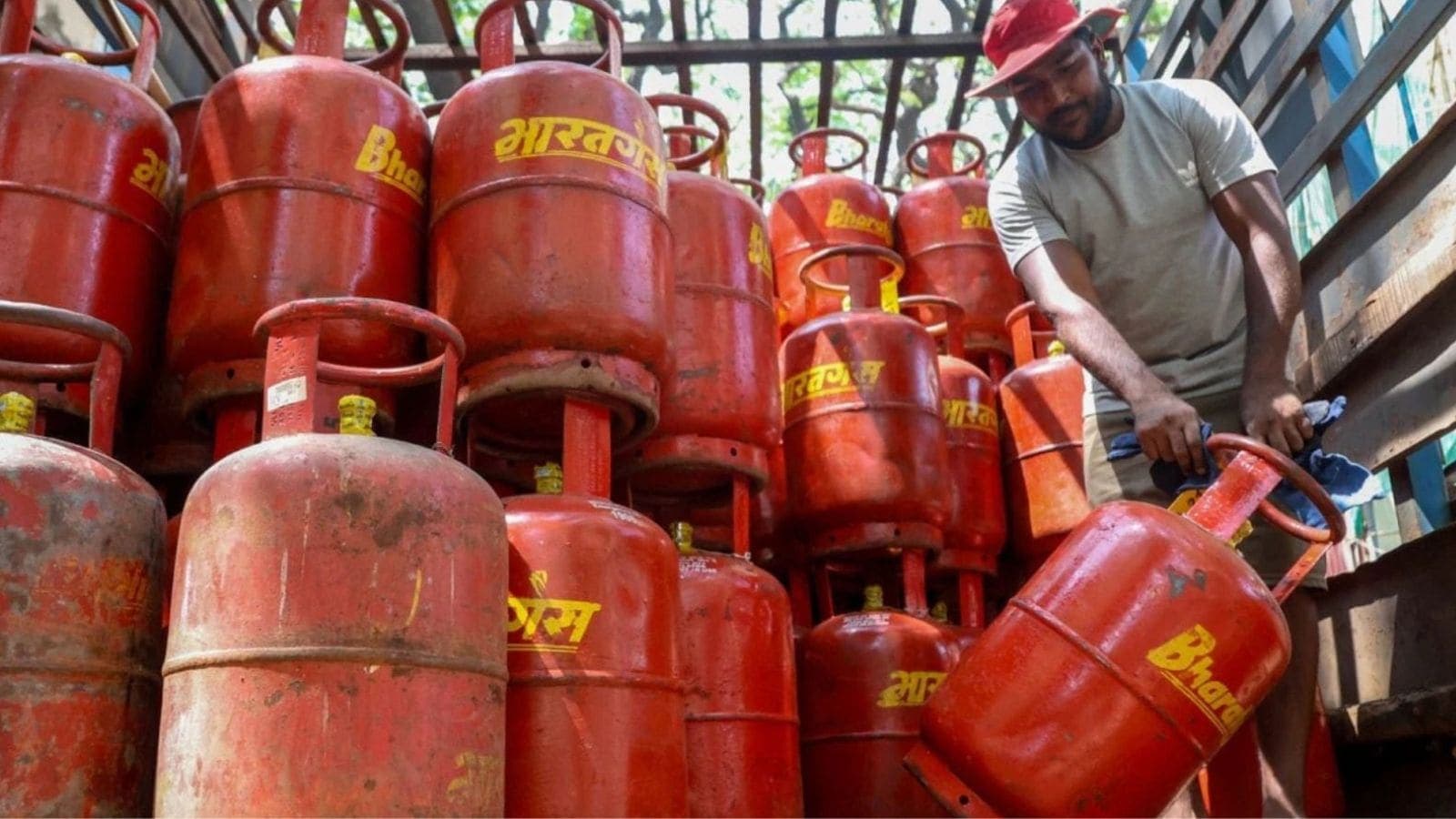
Commercial LPG prices have risen again, with increases of ₹42 in Delhi and ₹53.50 in Kolkata impacting businesses and consumers alike. Find out more.
Indian Express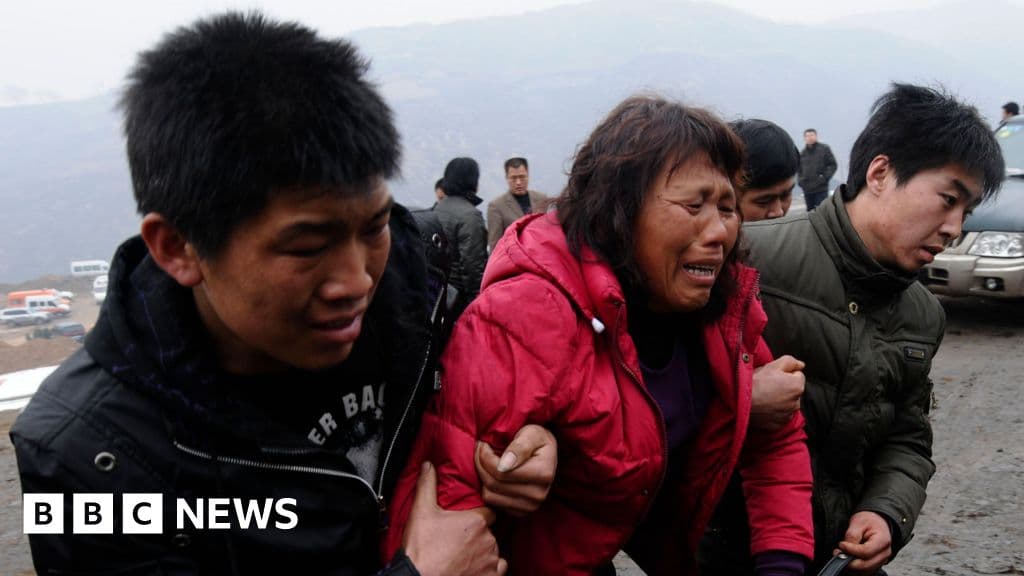
Discover how a tragic coal mine explosion in Shanxi, China, reveals ongoing safety concerns in the industry amidst a push for green energy.
BBC Business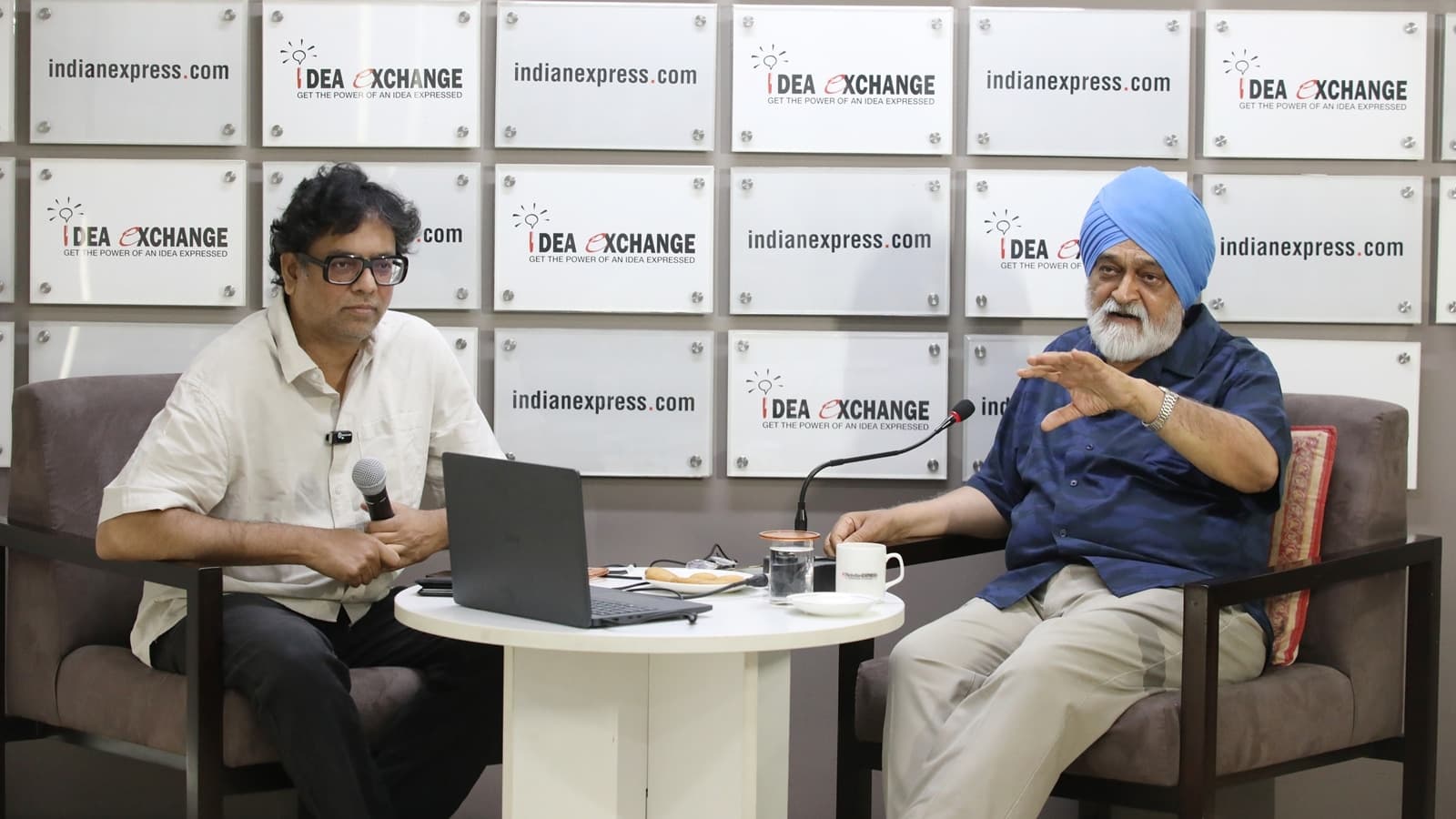
Montek Singh Ahluwalia highlights key economic challenges for India, emphasizing the need for a strategic approach to balance payments and investment.
Indian Express