Glipzo
WorldTechnologyBusinessSportsEntertainmentScienceHealthPolitics
Glipzo
WorldTechnologyBusinessSportsEntertainmentScienceHealthPolitics
  1. Home
  2. /
  3. Health
  4. /
  5. Growing Trend: Do Dogs Really Enjoy Watching TV?
Growing Trend: Do Dogs Really Enjoy Watching TV?

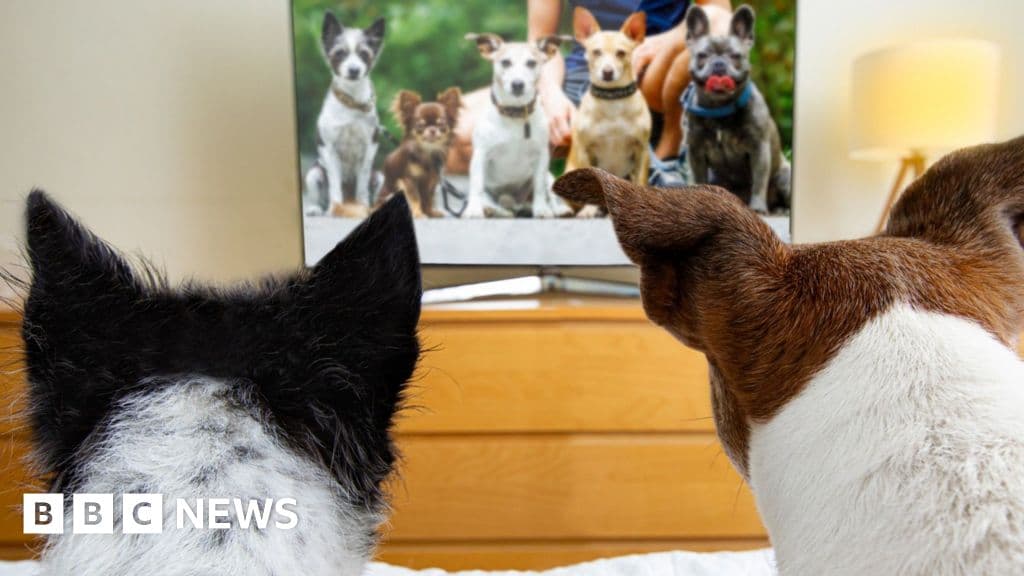
Image: BBC Business

Health
Friday, April 10, 20265 min read

Growing Trend: Do Dogs Really Enjoy Watching TV?

Curious if dogs really enjoy watching TV? Explore the growing trend of dog-specific channels and what research reveals about their viewing habits.

Glipzo News Desk|Source: BBC Business
Share
Glipzo

Key Highlights

  • Dog-specific TV shows are booming as pet owners seek enrichment.
  • Studies show mixed results about dogs' engagement with screens.
  • Luca Carano's Siesta Dog TV has over 3.5 million views.
  • Experts emphasize the importance of social interaction over screens.
  • Technology is revolutionizing pet entertainment with AI content.

In this article

  • The Rise of Canine Entertainment In recent years, a fascinating trend has emerged in the world of pet care: **dog-specific television**. With pet ownership on the rise and many owners treating their furry friends like family, the demand for specialized content for dogs has skyrocketed. This unique niche was pioneered by **Luca Carano**, who, inspired by his own dog Luna, launched the YouTube channel **Siesta Dog TV**. This channel features videos designed specifically for canine viewers, showcasing vibrant colors and soothing sounds that appeal to dogs' senses.
  • Understanding the Dog Viewing Experience As dog ownership evolves, many pet parents are keen to ensure their dogs are not just left in silence while they are away. According to **Nicholas Dodman**, director of the Center for Canine Behaviour Studies, there is a growing attachment between pets and their owners. He notes that more people are treating their dogs like children and expressing concern over issues like **separation anxiety**. This shift has led to the proliferation of channels such as **Four Paws TV**, **Cartoon Dog Music**, and many others that cater specifically to this audience.
  • Do Dogs Actually Watch TV? Despite the popularity of dog TV, scientists are divided on whether dogs truly enjoy it or benefit from the experience. A **2023 study** from the **Canine Behaviour Centre at Queen's University Belfast** observed 50 dogs in a shelter setting and found that they spent only **10.8%** of their available viewing time actively watching the TV screens. The researchers concluded that dogs quickly habituated to the presence of the monitors, suggesting that traditional forms of entertainment and interaction remain crucial for a dog's well-being.
  • Positive Findings in Dog Engagement On a more optimistic note, a **study from Auburn University**, published in July last year, highlighted the **positive engagement** of dogs with television. This study surveyed 453 dog owners about their pets' viewing habits and found that dogs who regularly watched TV experienced a **meaningful**, object-filled world through the medium. This engagement could provide valuable enrichment, making the viewing experience beneficial for the dogs involved.
  • Why It Matters for Pet Owners The growing trend of dog-specific television is more than just a quirky fad; it reflects a significant shift in how society views pets. Understanding and addressing the emotional needs of dogs is becoming a priority for many pet owners, leading to new avenues for enrichment and care.
  • Looking Ahead: The Future of Dog TV As technology continues to evolve, the future of dog-targeted television looks promising. With more channels emerging and the integration of advanced technologies like AI, pet owners can expect even more engaging and enriching content for their dogs. It is essential, however, for owners to balance screen time with traditional interactions, ensuring their pets receive the social and physical stimulation they need.

The Rise of Canine Entertainment In recent years, a fascinating trend has emerged in the world of pet care: **dog-specific television**. With pet ownership on the rise and many owners treating their furry friends like family, the demand for specialized content for dogs has skyrocketed. This unique niche was pioneered by **Luca Carano**, who, inspired by his own dog Luna, launched the YouTube channel **Siesta Dog TV**. This channel features videos designed specifically for canine viewers, showcasing vibrant colors and soothing sounds that appeal to dogs' senses.

Carano's journey began six years ago when he realized that leaving Luna home alone could lead to boredom. He thought, "There should be something on YouTube for Luna," leading him to create content that keeps dogs entertained and calm. The videos often include animated dogs in settings like New York City, accompanied by calming music that helps relax pets. One of his videos alone garnered an impressive 3.5 million views, showcasing the growing interest in this niche.

Understanding the Dog Viewing Experience As dog ownership evolves, many pet parents are keen to ensure their dogs are not just left in silence while they are away. According to **Nicholas Dodman**, director of the Center for Canine Behaviour Studies, there is a growing attachment between pets and their owners. He notes that more people are treating their dogs like children and expressing concern over issues like **separation anxiety**. This shift has led to the proliferation of channels such as **Four Paws TV**, **Cartoon Dog Music**, and many others that cater specifically to this audience.

The content varies widely, from videos featuring playful puppies to loops of tantalizing toys. Notably, Carano’s videos use shades of blue, which are more visible to dogs, ensuring they engage more effectively with the visuals. This innovation reflects a broader trend where technology, including AI-generated content, is leveraged to create engaging and appealing experiences for dogs.

Do Dogs Actually Watch TV? Despite the popularity of dog TV, scientists are divided on whether dogs truly enjoy it or benefit from the experience. A **2023 study** from the **Canine Behaviour Centre at Queen's University Belfast** observed 50 dogs in a shelter setting and found that they spent only **10.8%** of their available viewing time actively watching the TV screens. The researchers concluded that dogs quickly habituated to the presence of the monitors, suggesting that traditional forms of entertainment and interaction remain crucial for a dog's well-being.

In contrast, Ilyena Hirskyj-Douglas, an assistant professor at the University of Glasgow, found that dogs typically engage with videos for only short bursts. Her studies indicated that dogs did not maintain prolonged attention on screens, leading to questions about the effectiveness of dog-targeted content. However, it is important to note that this research focused on a very limited number of subjects—just two dogs in her study.

Positive Findings in Dog Engagement On a more optimistic note, a **study from Auburn University**, published in July last year, highlighted the **positive engagement** of dogs with television. This study surveyed 453 dog owners about their pets' viewing habits and found that dogs who regularly watched TV experienced a **meaningful**, object-filled world through the medium. This engagement could provide valuable enrichment, making the viewing experience beneficial for the dogs involved.

Beke Lubeach, the CEO of DogTV, strongly believes in the positive impacts of dog-targeted programming. She emphasizes that tailored content can provide mental stimulation and relaxation for dogs, helping them cope with stressors like being left alone.

Why It Matters for Pet Owners The growing trend of dog-specific television is more than just a quirky fad; it reflects a significant shift in how society views pets. Understanding and addressing the emotional needs of dogs is becoming a priority for many pet owners, leading to new avenues for enrichment and care.

As pet owners increasingly seek ways to make their dogs' lives happier and less stressful, the availability of dedicated programming could serve as a valuable tool. Furthermore, the insights gained from ongoing research into dogs' reactions to this content will help shape future innovations in pet entertainment.

Looking Ahead: The Future of Dog TV As technology continues to evolve, the future of dog-targeted television looks promising. With more channels emerging and the integration of advanced technologies like AI, pet owners can expect even more engaging and enriching content for their dogs. It is essential, however, for owners to balance screen time with traditional interactions, ensuring their pets receive the social and physical stimulation they need.

In conclusion, while studies show mixed results regarding dogs' engagement with television, the phenomenon of dog TV is unlikely to fade anytime soon. As pet care continues to evolve, we can anticipate even more creative solutions to keep our canine companions happy and healthy.

Next Steps: Keep an eye on the latest research in canine behavior and the development of new dog-specific content as this fascinating trend continues to unfold.

Did you find this article useful? Share it!

Share

Related Articles

Shocking Child HIV Outbreak Linked to Unsafe Hospital Practices
Health
Apr 14, 2026

Shocking Child HIV Outbreak Linked to Unsafe Hospital Practices

A shocking HIV outbreak in Taunsa, Pakistan, linked to unsafe syringe practices at a local hospital, raises urgent questions about healthcare safety.

BBC World
Doubts About Contraception: A Sex Educator's Struggle
Health
Apr 14, 2026

Doubts About Contraception: A Sex Educator's Struggle

A sex educator shares her doubts about hormonal contraception influenced by social media. Explore the impact of misinformation and personal experiences.

BBC Health
New School Dinner Rules: Deep-fried Foods Banned in England
Health
Apr 14, 2026

New School Dinner Rules: Deep-fried Foods Banned in England

Discover England's groundbreaking plan to ban deep-fried foods in schools, ensuring healthier meals for children starting September 2027.

BBC Health

Categories

  • World
  • Technology
  • Business
  • Sports

More

  • Entertainment
  • Science
  • Health
  • Politics

Explore

  • Web Stories
  • About Us
  • Contact

Legal

  • Privacy Policy
  • Terms of Service

© 2026 Glipzo. All rights reserved.