
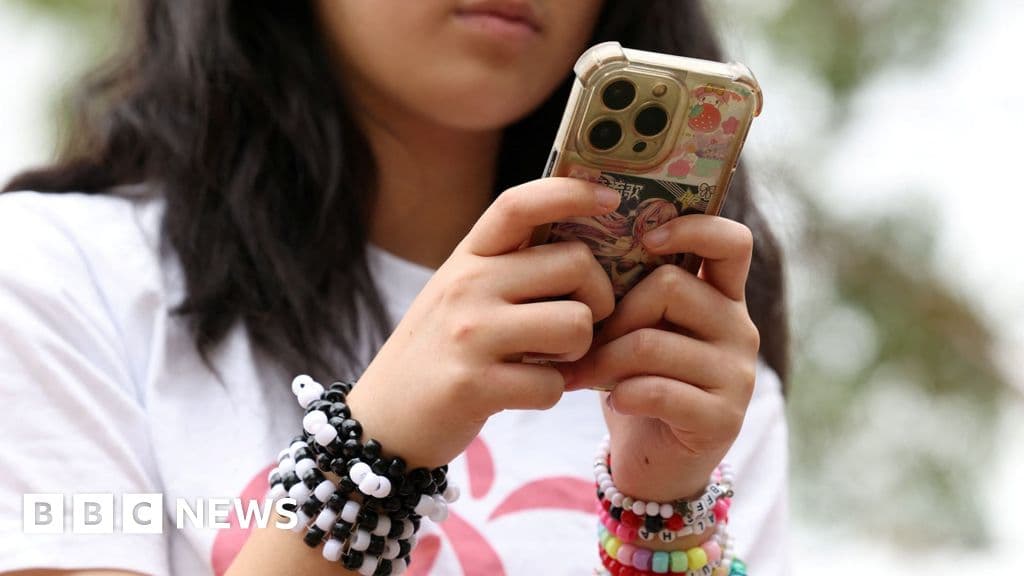
Image: BBC Technology
Greece plans to ban social media for under-15s starting January 2024 to combat mental health issues among youth. What does this mean for the future?
GlipzoIn a significant move aimed at safeguarding the mental health of its youth, Greece has announced a ban on social media access for individuals under the age of 15, set to take effect from January 2024. This decision comes as part of a broader trend across Europe, where several nations are increasingly concerned about the impact of social media on young people's wellbeing.
During an address, Prime Minister Kyriakos Mitsotakis emphasized that the initiative seeks to combat rising levels of anxiety and sleep disturbances among children, phenomena he attributes to the “addictive design” of social media platforms. This announcement adds Greece to the list of countries, including Australia, France, Austria, and Spain, that are taking action to limit minors' exposure to social media.
Earlier this month, Australia made headlines by becoming the first nation to enforce regulations that require platforms like TikTok, YouTube, and Snapchat to remove accounts belonging to users under 16, or face hefty fines. This has sparked a conversation in other countries, including the UK, which is considering a similar ban, while Ireland and Denmark are also weighing their options.
Critics of these bans, including social media companies, argue that such blanket restrictions may not only be ineffective but could also further isolate vulnerable teenagers, who may already feel disconnected. Reddit has even initiated legal proceedings challenging Australia’s legislation, raising questions about the enforcement of these new regulations.
In a poignant video message shared on TikTok, Prime Minister Mitsotakis conveyed the urgency of the issue, stating, "Many young people tell me they feel exhausted from comparisons, from comments, from the pressure to always be online." He recounted conversations with parents who expressed concern about their children’s anxiety and poor sleep quality linked to excessive smartphone use.
Mitsotakis characterized the planned restriction as “difficult but necessary,” reiterating that the government does not wish to alienate youth from technology, which he believes can be a “source of inspiration, knowledge, and creativity.” However, he firmly stated that the “addictive design” of certain apps, geared towards maximizing screen time, poses a threat to young people's innocence and freedom.
Details regarding the regulatory framework to enforce this ban are expected to be revealed shortly. Mitsotakis has also expressed a desire for collective action at the European level, reaching out to Ursula von der Leyen, the President of the European Commission, to advocate for a unified EU framework that complements national initiatives for the protection of minors.
Key proposals from Mitsotakis include: - Mandatory age verification for users under 15 across all platforms. - A pan-European ban for this age group. - Periodic age re-verification every six months to ensure compliance.
The discussion surrounding children's engagement with social media has intensified dramatically in recent months, fueled by growing evidence of the adverse effects on mental health. A pivotal moment occurred in March when Meta and YouTube were held accountable in a groundbreaking U.S. trial concerning a woman's childhood addiction to social media. Jurors ruled that both companies had intentionally created addictive platforms that harmed her mental health, leading to widespread scrutiny.
Meta and Google, however, have expressed their disagreement with the verdict and are planning to appeal. In response to concerns, Meta stated, “Teen mental health is profoundly complex and cannot be linked to a single app.” This highlights the ongoing debate on accountability in the tech industry regarding user wellbeing.
The steps taken by Greece reflect a broader global movement towards safeguarding youth from the potentially harmful effects of social media. As countries worldwide grapple with these challenges, the implications of such regulations could reshape the landscape of social media usage and the responsibilities of tech companies.
Moving forward, it will be crucial to monitor how Greece implements this ban and whether it successfully alleviates the mental health crises associated with social media use among young people. Other nations may look to Greece's example as they consider similar measures. The outcome could set a precedent, prompting a significant shift in how social media platforms are governed, not just in Europe but globally.
As we anticipate the reactions from social media companies and additional legislative measures across the continent, one thing is clear: the dialogue surrounding youth and digital health is far from over. The coming months could usher in a new era of accountability for social media platforms while prioritizing the wellbeing of the youngest users.

Tensions soar as the US and Iran engage in air strikes near the Strait of Hormuz, raising concerns over global oil supply and regional stability.
BBC World
Trump's international interventions face serious stalemates. What will this mean for U.S. foreign policy? Explore the critical challenges ahead.
Indian Express
Tehran denies resignation of President Masoud Pezeshkian amid claims of IRGC influence. What does this mean for Iran's political stability? Click to learn more!
Indian Express