
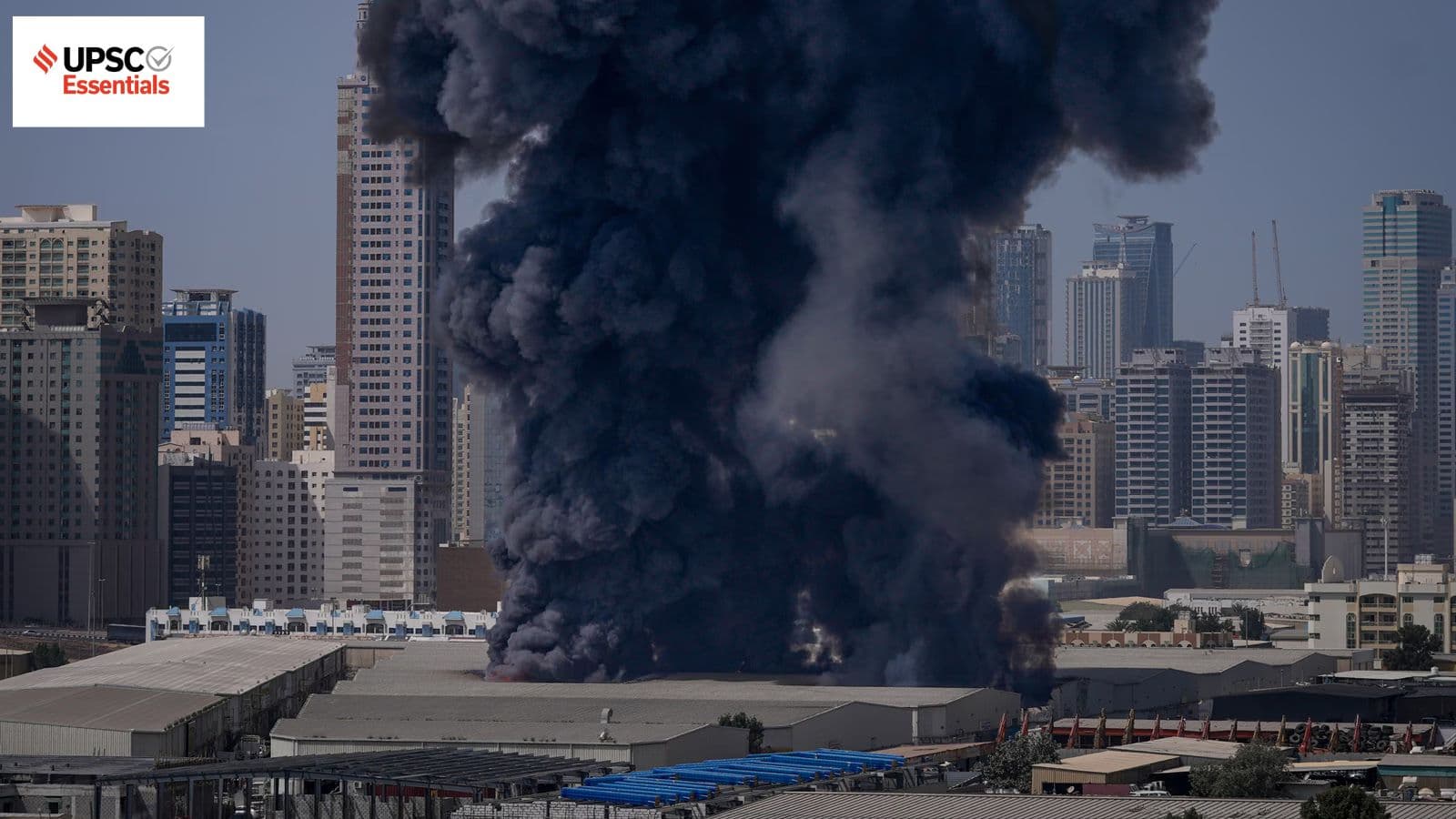
Image: Indian Express
Geopolitical tensions in West Asia disrupt global supply chains, impacting India's economy and industrial pricing beyond crude oil. Understanding these dynamics is crucial.
GlipzoRecent tensions in West Asia, particularly involving Iran and the strategic Strait of Hormuz, have raised significant concerns about their impact on global supply chains and industrial prices. The Strait of Hormuz is a vital transit route, facilitating the movement of a substantial portion of the world's oil and petrochemical trade. Disruptions in this region can have far-reaching consequences, affecting not just crude oil prices but also various industrial sectors worldwide. India, being heavily reliant on energy imports from this region, is especially vulnerable to these geopolitical shifts.
The ongoing conflicts in West Asia have led to a structural repricing of global commodities, with recent weeks witnessing significant spikes in prices across various sectors. A staggering 73 commodities saw price increases, with some surging by over 60% due to disruptions in naphtha feeds crucial for Asian steam crackers. These price hikes don't just affect oil; they ripple through multiple industries, raising costs for raw materials and impacting manufacturing processes.
The economic impact of geopolitical instability in West Asia is multifaceted, affecting India in several ways:
1. Raw Material Shortages: Disruptions in the supply of imported raw materials are on the rise, leading to increased costs in shipping and logistics. 2. Market Dynamics: With the European Union's imposition of regulations like the Carbon Border Adjustment Mechanism (CBAM), many industries are shifting their focus towards West Asia, which could strain available resources. 3. Fuel Supply Challenges: The availability of natural gas and LPG is also threatened, with potential repercussions for energy-intensive industries.
The textile sector, for instance, has already seen polyester prices increase by approximately 15%, driven by higher costs of petrochemical feedstock. Moreover, packaging materials, which predominantly rely on plastic derivatives, have doubled in price, creating additional strain for manufacturers.
The steel sector is not immune to these challenges. Steelmakers are experiencing significant cost pressures linked to disruptions in the supply of coking coal, a fundamental raw material used in steel production. As global trade routes become increasingly uncertain due to geopolitical tensions, the costs associated with coking coal have surged, further heightening the operational challenges faced by steel producers.
The ramifications of the ongoing conflict in West Asia extend beyond immediate price increases: - Textiles and Mining: Industries reliant on petrochemical-linked inputs are witnessing rising costs, complicating their profit margins and operational sustainability. - Broader Economic Impact: The higher costs of production can lead to inflationary pressures, potentially affecting consumer prices across various sectors. - Dependency Risks: India's heavy reliance on energy imports from West Asia underscores the need for diversification in energy sourcing and investment in alternative energy solutions.
The geopolitical instability in West Asia poses significant economic challenges for India, particularly in terms of energy security and industrial pricing. The interconnectedness of global supply chains means that disruptions in one region can have cascading effects across multiple sectors. As the situation evolves, it is crucial for policymakers and businesses to develop strategies that mitigate these risks and enhance resilience in the face of potential future disruptions. Understanding the complexities of this situation is essential for navigating the economic landscape shaped by geopolitical events.
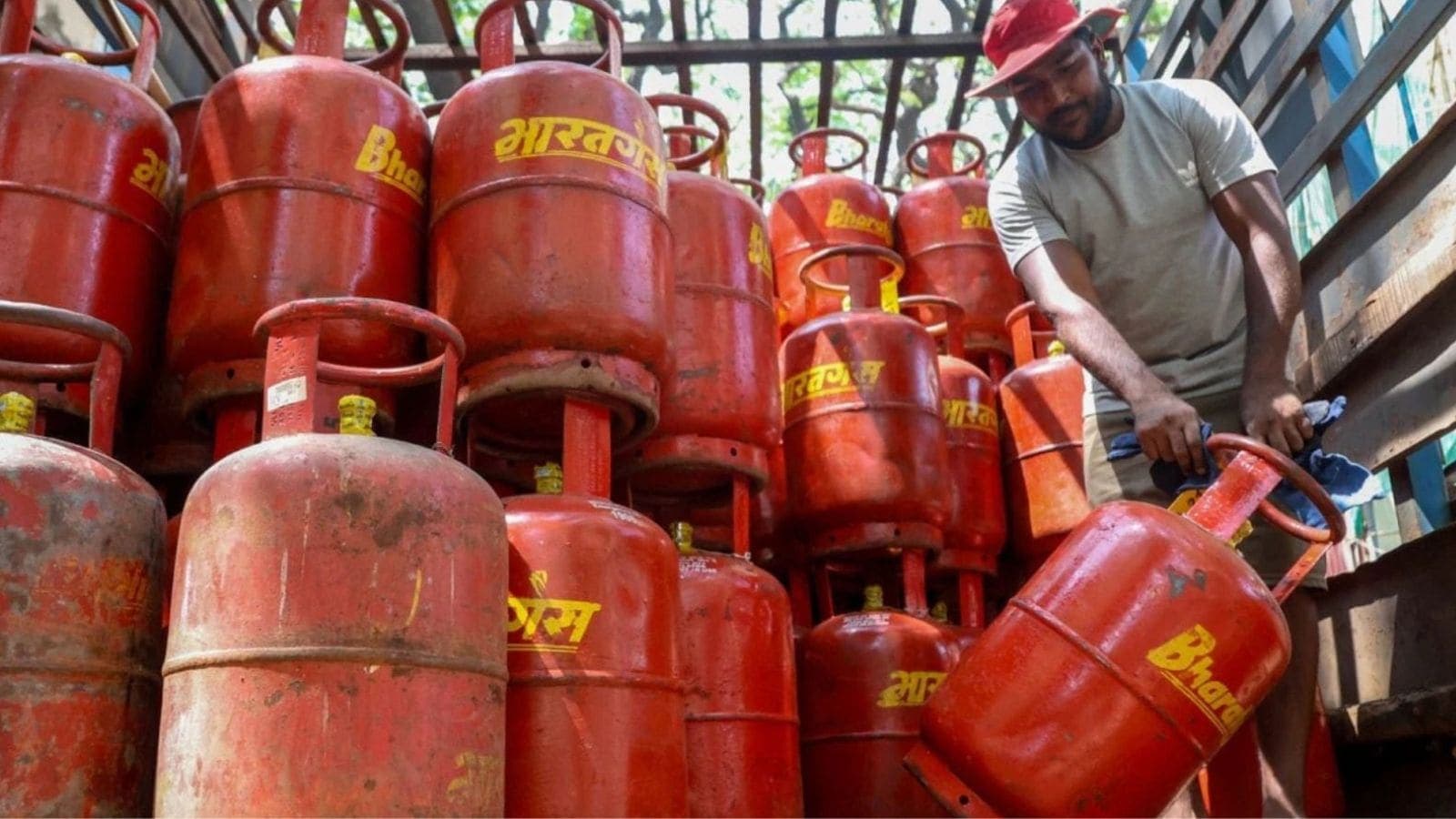
Commercial LPG prices have risen again, with increases of ₹42 in Delhi and ₹53.50 in Kolkata impacting businesses and consumers alike. Find out more.
Indian Express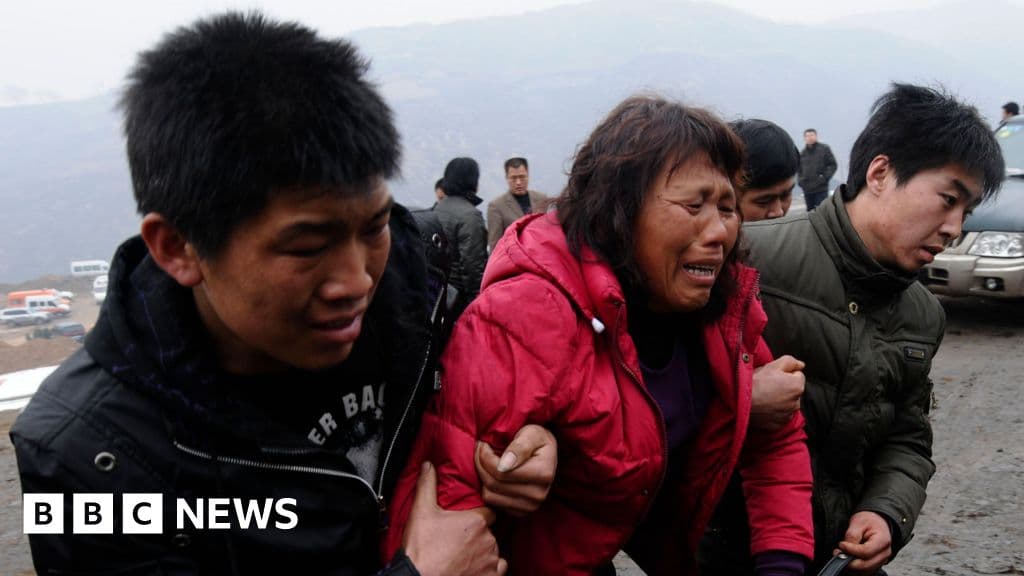
Discover how a tragic coal mine explosion in Shanxi, China, reveals ongoing safety concerns in the industry amidst a push for green energy.
BBC Business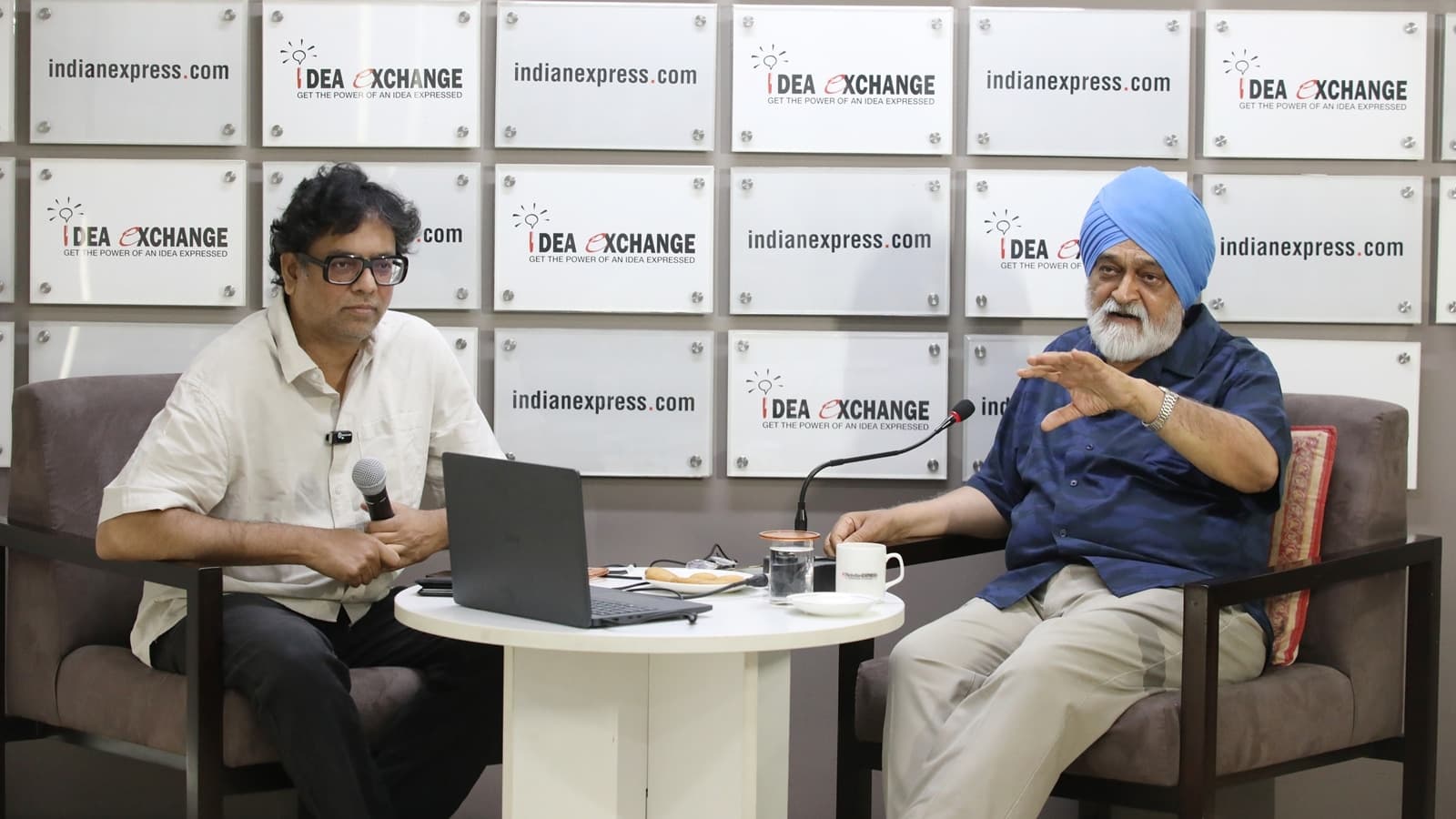
Montek Singh Ahluwalia highlights key economic challenges for India, emphasizing the need for a strategic approach to balance payments and investment.
Indian Express