
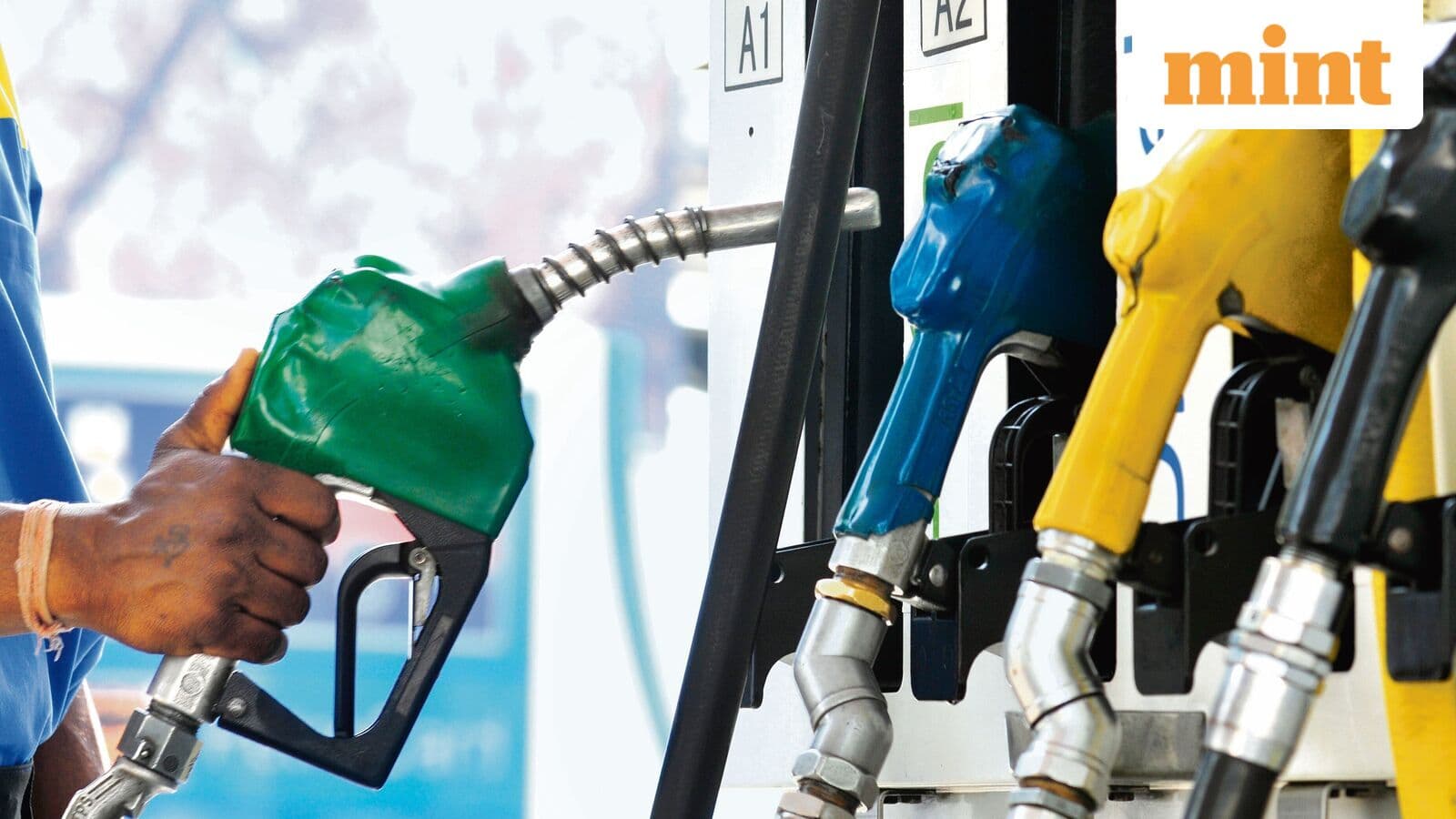
Image: Mint (Business)
Discover the current petrol and diesel prices as of March 16 in major Indian cities amid ongoing global tensions affecting fuel rates.
GlipzoOn March 16, petrol and diesel prices across major Indian cities have largely remained unchanged, continuing a trend of stability in fuel rates. This consistency comes despite recent fluctuations in the global oil market, which have been influenced by geopolitical tensions, particularly the ongoing conflict in the Middle East.
The situation escalated significantly on February 28, when coordinated strikes by the United States and Israel targeted Iran, prompting a retaliatory response from Tehran that included attacks on U.S. military bases in the region. As this conflict enters its third week, concerns over potential supply disruptions have gripped the energy sector, yet domestic fuel prices have remained relatively stable.
To ensure that domestic fuel prices reflect international crude oil prices and currency fluctuations, Oil Marketing Companies (OMCs) in India adjust petrol and diesel prices daily at 6 AM. The three primary OMCs managing this pricing are Indian Oil Corporation (IOC), Bharat Petroleum Corporation Limited (BPCL), and Hindustan Petroleum Corporation Limited (HPCL).
Despite the challenges posed by the global market, Hardeep Singh Puri, the Union Minister for Petroleum and Natural Gas, reassured Parliament on March 13 that India's energy supplies are secure. He emphasized that the government has implemented various strategies to safeguard energy security and ensure the steady availability of petroleum products, including cooking gas and natural gas, amid the turmoil.
However, the ongoing conflict has led to significant disruptions, particularly affecting the supply of LPG cylinders. Reports indicate that several states are experiencing shortages due to halted maritime traffic through the Strait of Hormuz, a critical route for oil transport. Although the government has prioritized LPG distribution for households and essential sectors like healthcare, businesses reliant on commercial cooking gas, such as restaurants and hotels, have faced the greatest challenges.
In response to these issues, the government resumed the distribution of commercial LPG cylinders across all states and union territories on March 14. This move aims to alleviate some of the pressures on businesses affected by the supply chain disruptions.
Fuel prices in India are determined by a multitude of factors, with international crude oil prices being the most significant. As the primary raw material for petrol and diesel production, fluctuations in crude oil have a direct impact on retail prices. Additionally, the rupee-dollar exchange rate plays a crucial role, considering that India imports a substantial portion of its crude oil.
When the rupee depreciates, the cost of imported crude oil rises, which can lead to higher fuel prices at the pump. Other contributing factors include: - Taxes imposed by both central and state governments, which considerably affect fuel pricing. - Transportation costs and the dynamics of supply and demand, which can also influence final retail prices.
This variability in pricing is one reason consumers see different fuel rates in various states across the country.
The stability of fuel prices during turbulent times is crucial for the Indian economy. As fuel costs directly affect transportation and commodity prices, any significant changes can ripple through various sectors, impacting inflation and overall economic stability. Furthermore, ensuring a reliable supply of LPG is vital for households and businesses alike, particularly in the food service industry.
The government's proactive measures to secure energy supplies and manage LPG distribution illustrate the importance of maintaining stability amidst global uncertainties.
As the geopolitical landscape continues to evolve, it will be essential to monitor both global oil prices and domestic fuel rates closely. Analysts suggest that ongoing tensions in the Middle East could lead to further volatility in international markets, potentially affecting Indian fuel prices in the future.
Consumers should remain vigilant about price changes, especially as international dynamics shift and domestic supply issues persist. Additionally, the government's ability to manage energy resources effectively will play a pivotal role in maintaining price stability and ensuring that essential services are not disrupted.
In the coming weeks, all eyes will be on the developments in the Middle East and their implications for the Indian economy and energy sector. Keeping track of daily price adjustments will also be critical for consumers as they navigate these challenging times.
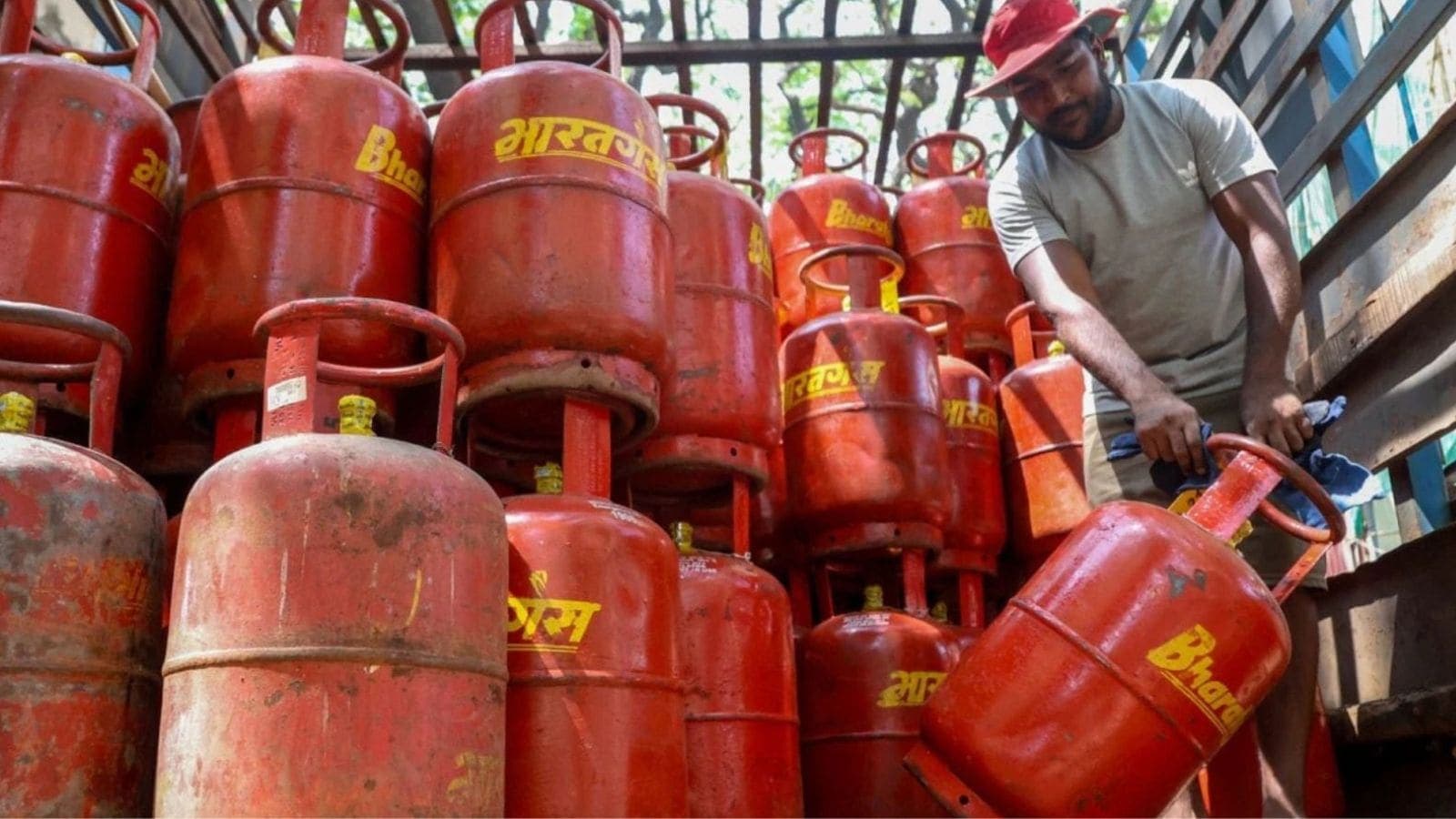
Commercial LPG prices have risen again, with increases of ₹42 in Delhi and ₹53.50 in Kolkata impacting businesses and consumers alike. Find out more.
Indian Express
Discover how a tragic coal mine explosion in Shanxi, China, reveals ongoing safety concerns in the industry amidst a push for green energy.
BBC Business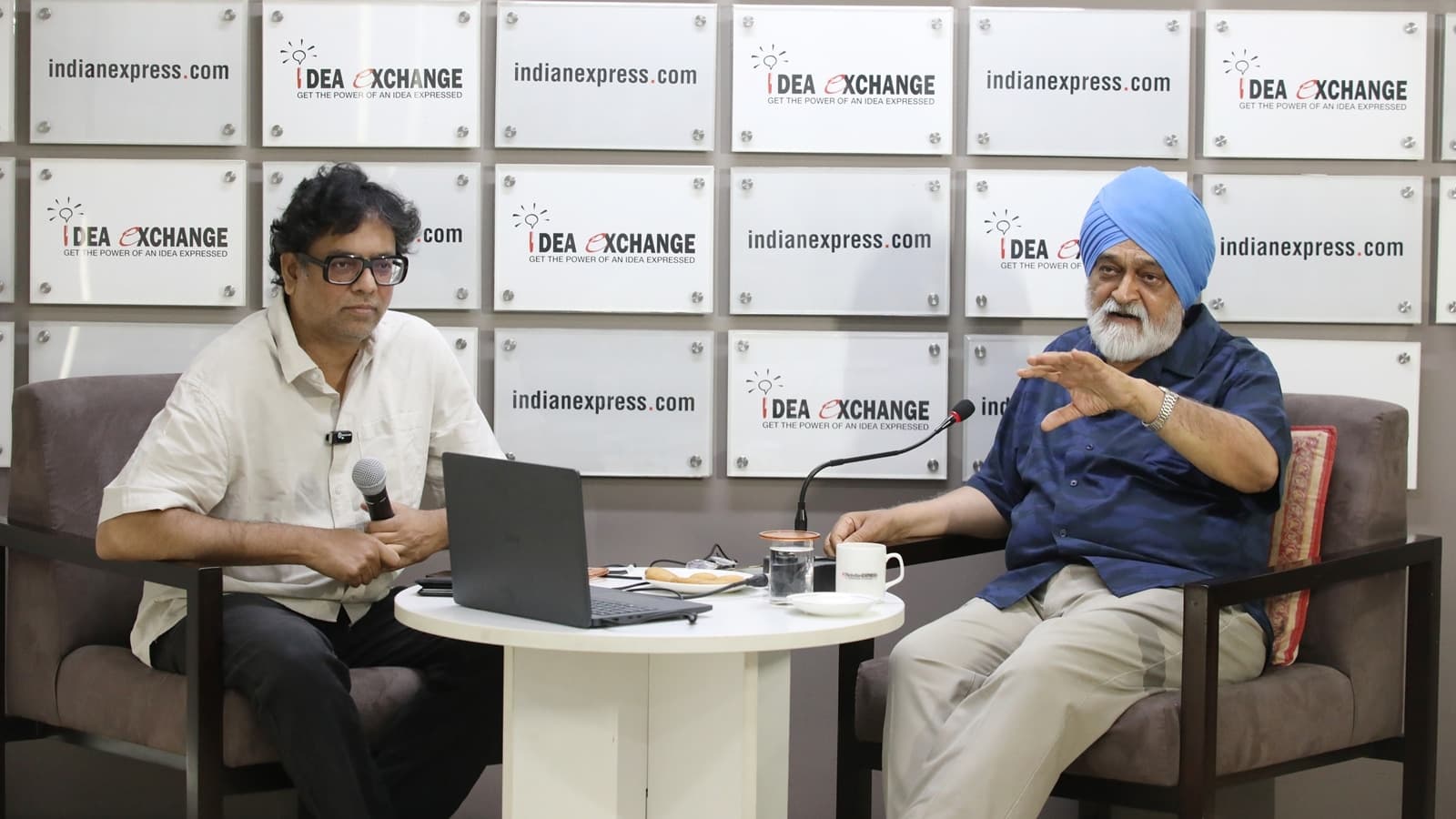
Montek Singh Ahluwalia highlights key economic challenges for India, emphasizing the need for a strategic approach to balance payments and investment.
Indian Express