

Image: Mint (Business)
Fuel prices remain stable on April 4 despite global oil market fluctuations. Explore current rates and the implications for consumers and the economy.
GlipzoAs of April 4, fuel prices for petrol and diesel remain unchanged across major Indian cities, despite notable fluctuations in the global oil market driven by the escalating US-Iran conflict in the Middle East. The backdrop of this stability is a concerted effort by the Indian government to mitigate the impact of rising crude oil costs on consumers, as well as the underlying challenges faced by oil marketing companies (OMCs).
In recent weeks, the global oil market has been marked by volatility, prompting concerns over supply chains and potential price hikes. However, the Indian government has signaled its intention to maintain current fuel prices for the foreseeable future. This decision comes on the heels of significant cuts in special additional excise duty on petrol and diesel, aimed at cushioning the financial burden on OMCs while ensuring that consumers are shielded from sudden spikes in prices.
Here’s a snapshot of the petrol and diesel prices in major cities:
These prices reflect the ongoing struggles faced by OMCs as they grapple with the impact of global oil price increases.
The situation for Indian OMCs is increasingly precarious. According to the Ministry of Petroleum and Natural Gas, OMCs are currently experiencing significant under-recoveries—a scenario where the cost of purchasing crude oil surpasses the selling price at the pump.
Joint Secretary Sujata Sharma revealed that the under-recovery amounts to approximately ₹24 per litre for petrol and a staggering ₹104 per litre for diesel. This financial strain has necessitated a government intervention in the form of reduced excise duties, which serves to stabilize fuel prices amid rising global costs.
The stability in fuel prices, despite global tensions, is crucial for several reasons: - Consumer Impact: High fuel prices can lead to increased transportation costs, affecting everything from daily commutes to the prices of goods and services. - Inflation Concerns: Fuel costs are a major driver of inflation; maintaining stable prices can help keep overall inflation in check. - Economic Growth: Fuel price stability can support economic growth by ensuring predictability for businesses and consumers alike.
As OMCs continue to absorb costs and the government steps in with fiscal measures, the long-term sustainability of these strategies remains a topic of discussion among economists and policymakers.
Looking ahead, several factors will influence the trajectory of fuel prices in India: - Global Oil Market Trends: The ongoing conflict in the Middle East and its ripple effects on oil prices will need to be closely monitored. - Government Policy Changes: Future decisions regarding excise duties and subsidies will be pivotal in shaping the fuel pricing landscape. - Consumer Behavior: As fuel prices remain stable, shifts in consumer behavior regarding fuel consumption may also emerge, impacting demand.
In conclusion, while fuel prices remain unchanged today, the situation is fluid and dependent on both domestic and international dynamics. Stakeholders in the economy will need to keep a vigilant eye on these developments to understand their implications for the broader economic landscape.
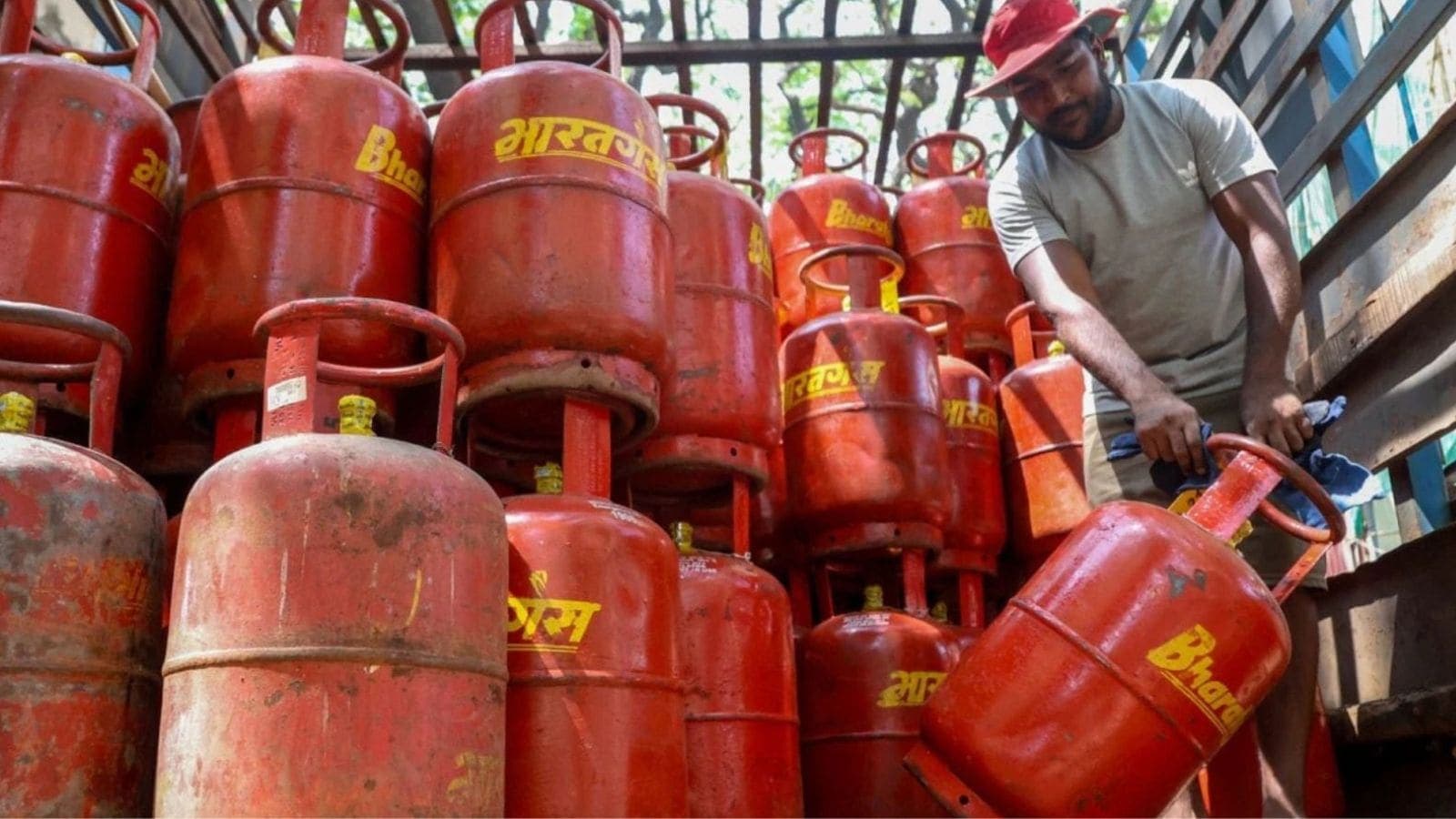
Commercial LPG prices have risen again, with increases of ₹42 in Delhi and ₹53.50 in Kolkata impacting businesses and consumers alike. Find out more.
Indian Express
Discover how a tragic coal mine explosion in Shanxi, China, reveals ongoing safety concerns in the industry amidst a push for green energy.
BBC Business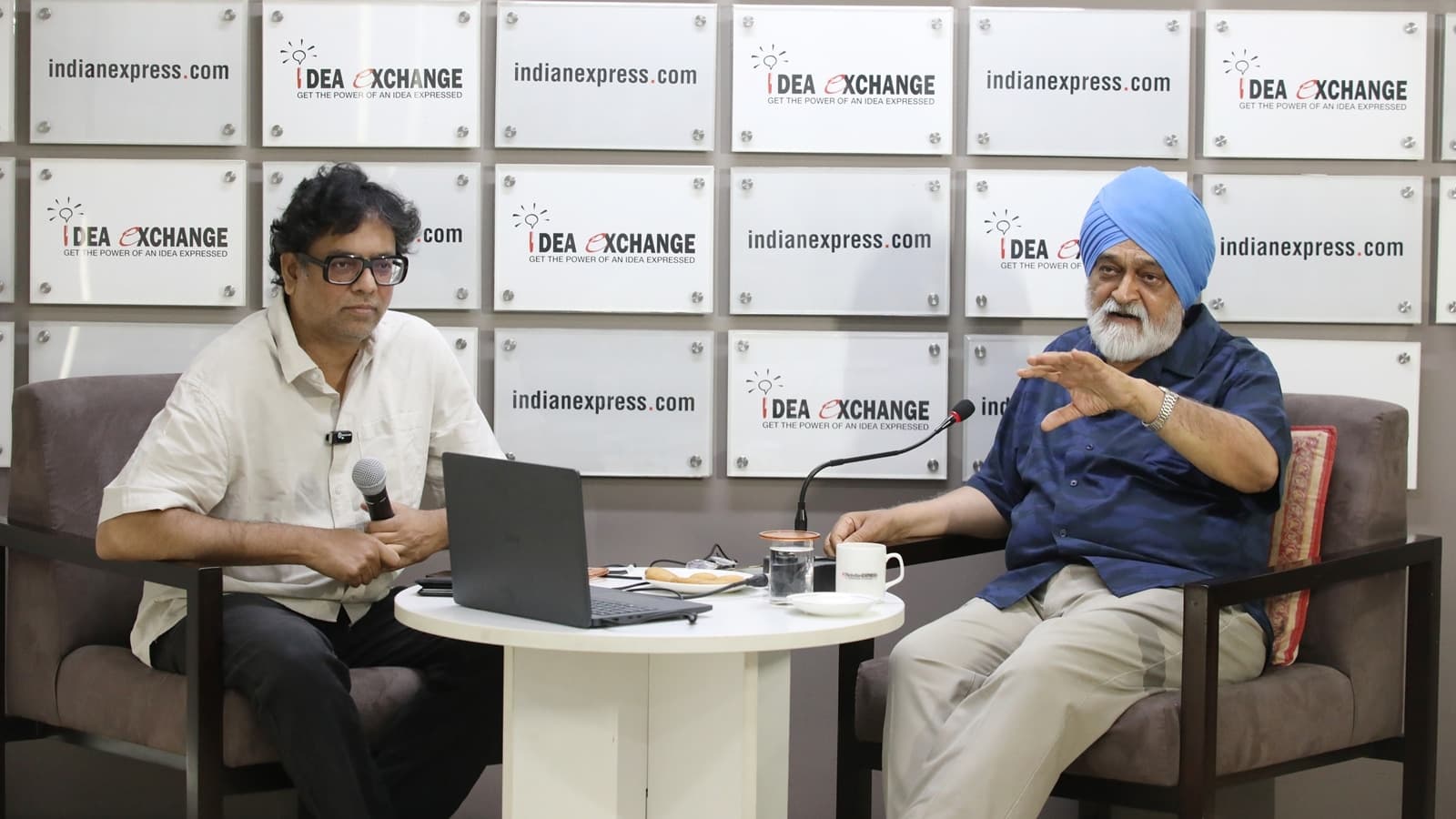
Montek Singh Ahluwalia highlights key economic challenges for India, emphasizing the need for a strategic approach to balance payments and investment.
Indian Express