
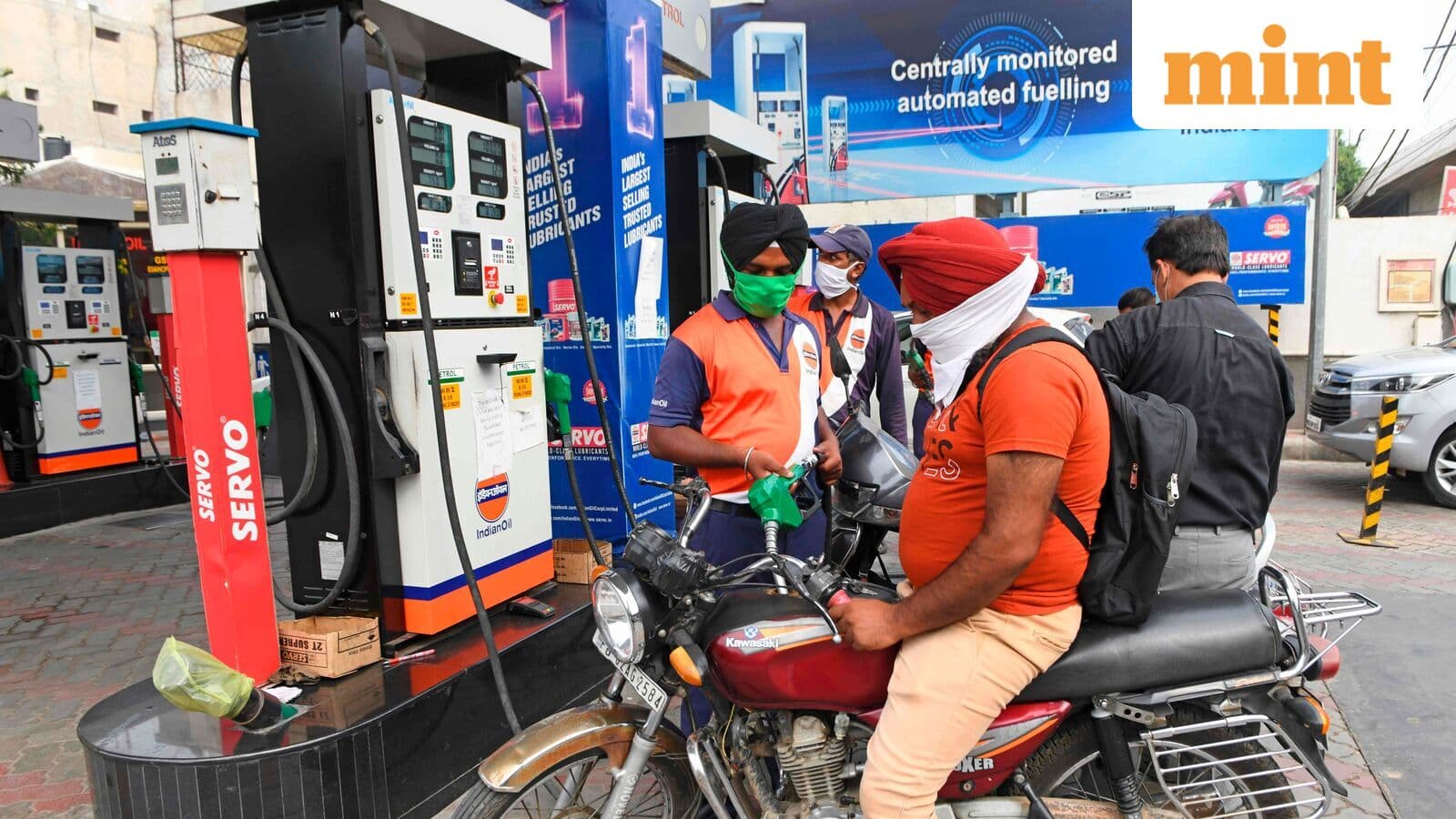
Image: Mint (Business)
Discover the latest petrol and diesel prices in India as of March 18. Learn how global events are impacting fuel rates and what to expect next.
GlipzoOn March 18, fuel prices for petrol and diesel across various cities in India have remained stable for the fourth consecutive day. This stability comes amidst ongoing volatility in global oil markets, primarily driven by geopolitical unrest in the Middle East. The situation has raised concerns about potential supply disruptions, particularly surrounding the Strait of Hormuz, through which a significant portion of the world's oil supply is transported.
The current conflicts involving the United States, Israel, and Iran have now stretched into their third week, showing no signs of resolution. The tensions escalated on February 28, when U.S. and Israeli forces launched coordinated strikes against Iranian targets. In retaliation, Iran targeted U.S. military installations in the region, further complicating the global oil landscape.
Despite these international pressures, the retail prices of fuel in India have not experienced fluctuations recently. Here are the current petrol and diesel rates in some of the major cities:
(Replace X and Y with the actual prices)
The responsibility for setting and managing fuel prices in India lies with three major Oil Marketing Companies (OMCs): Indian Oil Corporation (IOC), Bharat Petroleum Corporation Limited (BPCL), and Hindustan Petroleum Corporation Limited (HPCL). These entities are crucial in ensuring that domestic fuel prices reflect global market trends.
To maintain pricing stability, the OMCs have taken proactive measures in response to the evolving global situation. In light of ongoing supply disruptions, they have tightened their fuel supply regulations. Notably, OMCs have ceased supplying fuel on credit to retail outlets, a decision aimed at controlling the offtake and ensuring a stable supply chain.
These changes reflect a strategic response to the heightened uncertainty in international crude oil markets, as the companies strive to stabilize local fuel prices while managing supply risks.
Several elements play a pivotal role in determining the price of petrol and diesel in India. Among these, the most significant include:
The stability of fuel prices is not just a matter of convenience for consumers; it has broader implications for the economy. Fluctuations in fuel costs can affect inflation rates, transportation costs, and ultimately the prices of goods and services. Additionally, stability in fuel pricing can help maintain consumer confidence and spending power.
As the geopolitical situation evolves, the implications for fuel pricing could change dramatically. Consumers and businesses alike should remain vigilant, as any escalation in conflicts that disrupt global oil supply chains could lead to sudden price hikes.
As we move forward, it will be crucial to monitor both the international geopolitical landscape and domestic economic indicators. Key areas to watch include:
In conclusion, while fuel prices remain stable for now, the underlying factors that govern these rates are complex and subject to change, making it essential for stakeholders to stay informed and prepared for potential shifts in the market.
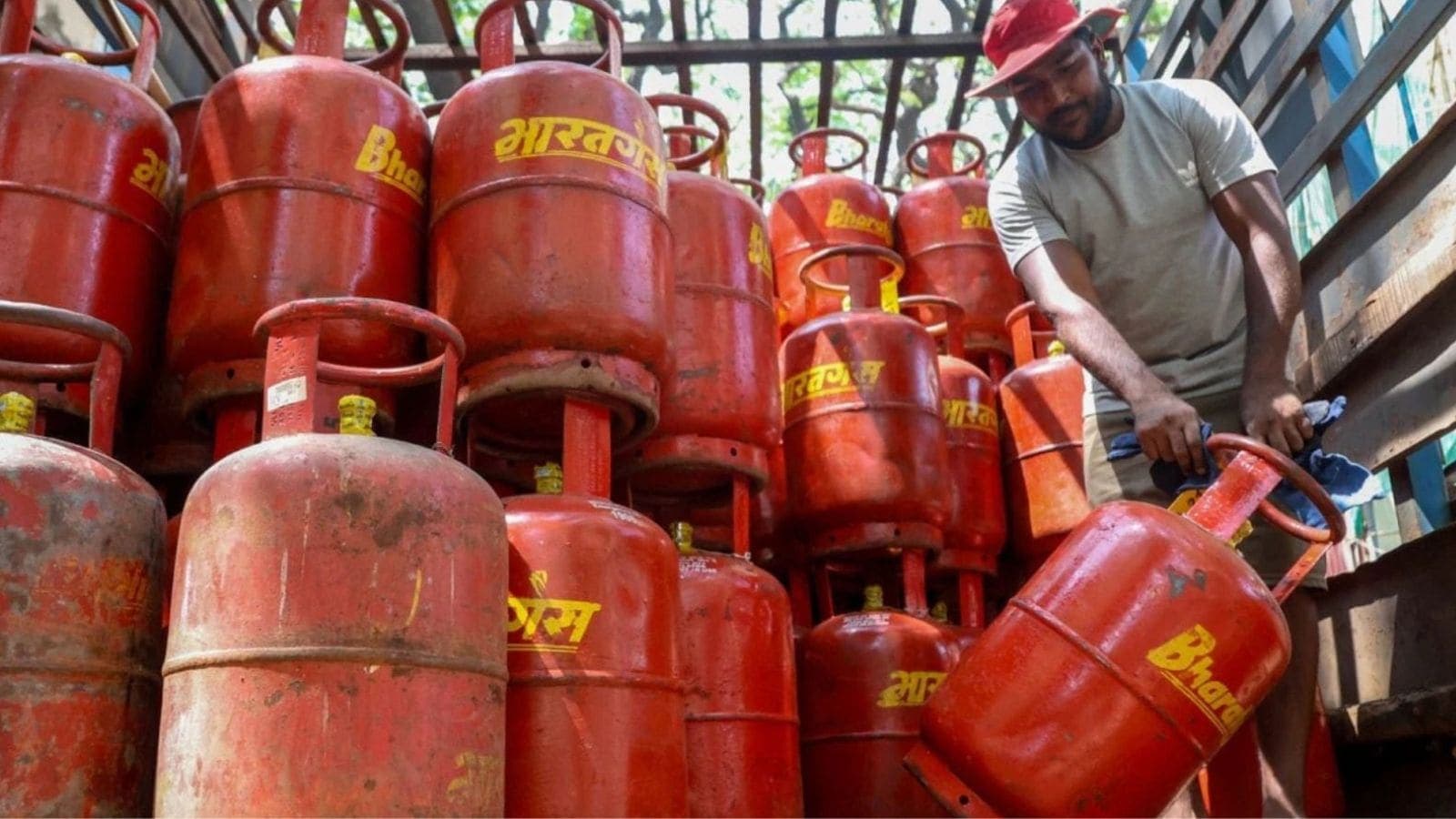
Commercial LPG prices have risen again, with increases of ₹42 in Delhi and ₹53.50 in Kolkata impacting businesses and consumers alike. Find out more.
Indian Express
Discover how a tragic coal mine explosion in Shanxi, China, reveals ongoing safety concerns in the industry amidst a push for green energy.
BBC Business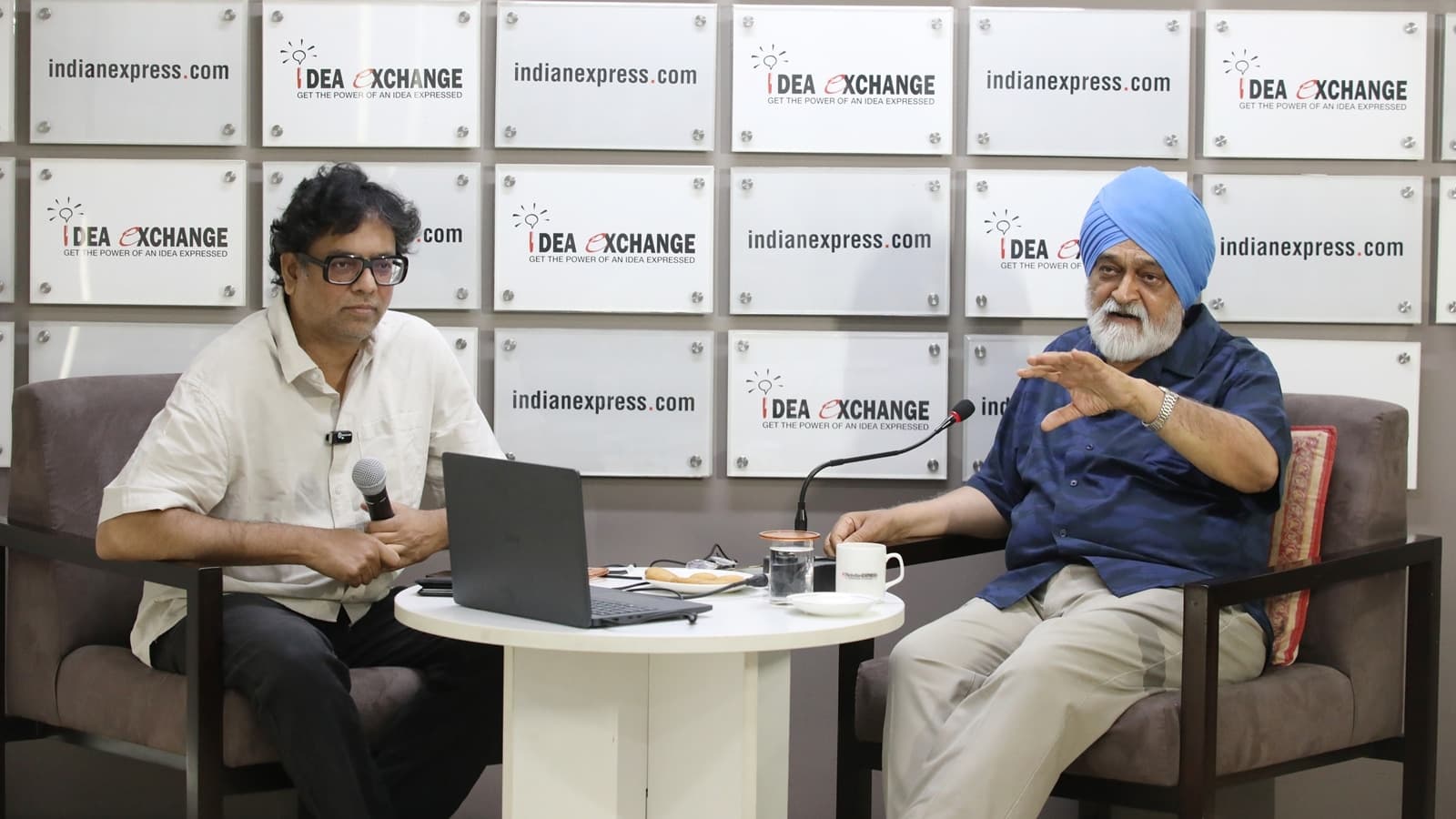
Montek Singh Ahluwalia highlights key economic challenges for India, emphasizing the need for a strategic approach to balance payments and investment.
Indian Express