
Image: BBC World
A French-owned ship has crossed the Strait of Hormuz, marking a pivotal moment amid ongoing conflict. What does this mean for global shipping and oil prices?
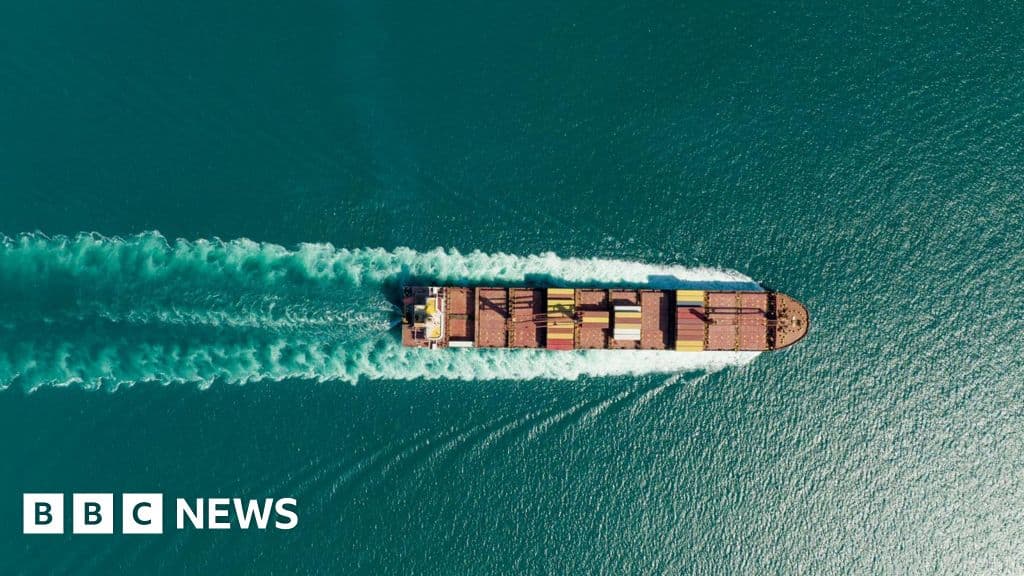
GlipzoIn a significant development, a French-owned container ship has successfully traversed the Strait of Hormuz, a crucial maritime route, more than a month after escalating tensions from the ongoing US-Israeli conflict with Iran effectively closed this vital passage. The Malta-flagged vessel, owned by CMA CGM, marked its journey through the strait, as confirmed by BFM TV, a media outlet associated with the shipping company. While CMA CGM refrained from commenting on the incident, shipping analysts from Kpler verified that this was the first instance of a major Western European firm’s vessel navigating the waterway since the conflict erupted.
The Strait of Hormuz is a key chokepoint for global oil and liquefied natural gas shipments, with about 20% of the world's oil passing through it. Despite Iran's assurance that "non-hostile vessels" would be permitted to traverse the strait, the ongoing conflict has severely disrupted normal shipping operations. Ship tracking data indicated that the French-owned ship navigated near the coast of Oman, away from Iranian territory. Details regarding the ship's cargo remain undisclosed, adding an element of intrigue to its passage.
In a related development, a Japanese ship carrying natural gas also managed to exit the Strait of Hormuz, as confirmed by MOL, a major Japanese shipping company. The company assured that "the safety of the vessel and all crew members have been confirmed," emphasizing their commitment to prioritizing safety during these challenging times. This successful navigation is a testament to the resilience of shipping operations in a region marked by instability.
Recent reports from Lloyd's List, a maritime news and intelligence service, indicated that several vessels had been taking an unusually close route along the coast of Oman as a precautionary measure. This strategic maneuver reflects the heightened concerns regarding safety in these turbulent waters, where several ships have faced attacks amidst the ongoing conflict.
The geopolitical dynamics surrounding the Strait of Hormuz have caught the attention of world leaders, including US President Donald Trump, who suggested that the US could potentially reopen the strait. Expressing frustration with allies for their lack of support in this endeavor, Trump remarked on Truth Social, stating, "With a little more time, we can easily OPEN THE HORMUZ STRAIT, TAKE THE OIL, & MAKE A FORTUNE. IT WOULD BE A 'GUSHER' FOR THE WORLD???" His comments hint at the economic stakes involved, as any disruption in oil flow from this region reverberates across global markets.
The conflict has led to a dramatic decline in shipping traffic through the Strait, with reports indicating a 95% reduction compared to pre-conflict levels. Approximately 200 vessels found themselves stranded in nearby waters when shipping activities were suspended. This drastic slowdown has resulted in soaring global oil prices, which have subsequently driven up fuel costs and raised concerns over inflation worldwide.
Despite the turmoil, maritime traffic through the Strait of Hormuz has not ceased entirely. As of late March, about 100 vessels were reported to have successfully navigated the strait, averaging five to six ships per day. Interestingly, around a third of these vessels had ties to Iran, while others were associated with countries such as Pakistan and India. This data, analyzed by BBC Verify, underscores the ongoing complexity of the shipping landscape in the region.
The cautious resumption of maritime traffic through this critical corridor indicates a potential stabilization in shipping routes, albeit under the shadow of persistent risks. The international community watches closely as these developments unfold, bracing for possible further escalations or the establishment of safer passageways.
As the conflict continues to evolve, the situation surrounding the Strait of Hormuz remains fluid and unpredictable. The successful passage of the French ship and the Japanese vessel may signify a cautious return to normalcy for some shipping operations, yet the looming threat of conflict persists. Key points to observe in the coming weeks include:
The Strait of Hormuz remains a pivotal point in global trade, and any changes in its accessibility will have far-reaching implications. Stakeholders around the world will be keenly observing how the situation develops in the days to come, as they navigate the uncertain waters of international shipping and geopolitical relations.
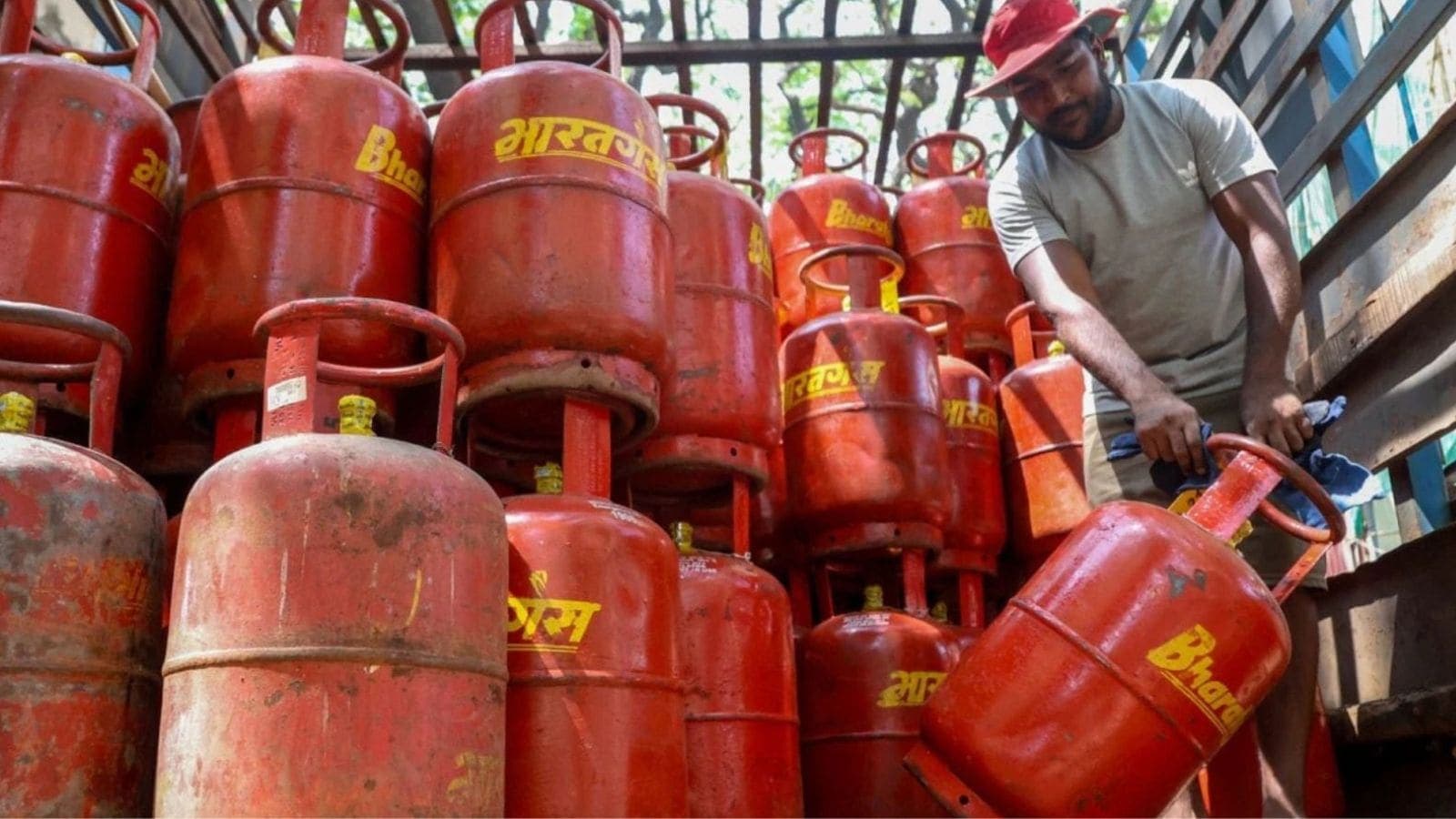
Commercial LPG prices have risen again, with increases of ₹42 in Delhi and ₹53.50 in Kolkata impacting businesses and consumers alike. Find out more.
Indian Express
Discover how a tragic coal mine explosion in Shanxi, China, reveals ongoing safety concerns in the industry amidst a push for green energy.
BBC Business
Montek Singh Ahluwalia highlights key economic challenges for India, emphasizing the need for a strategic approach to balance payments and investment.
Indian Express