
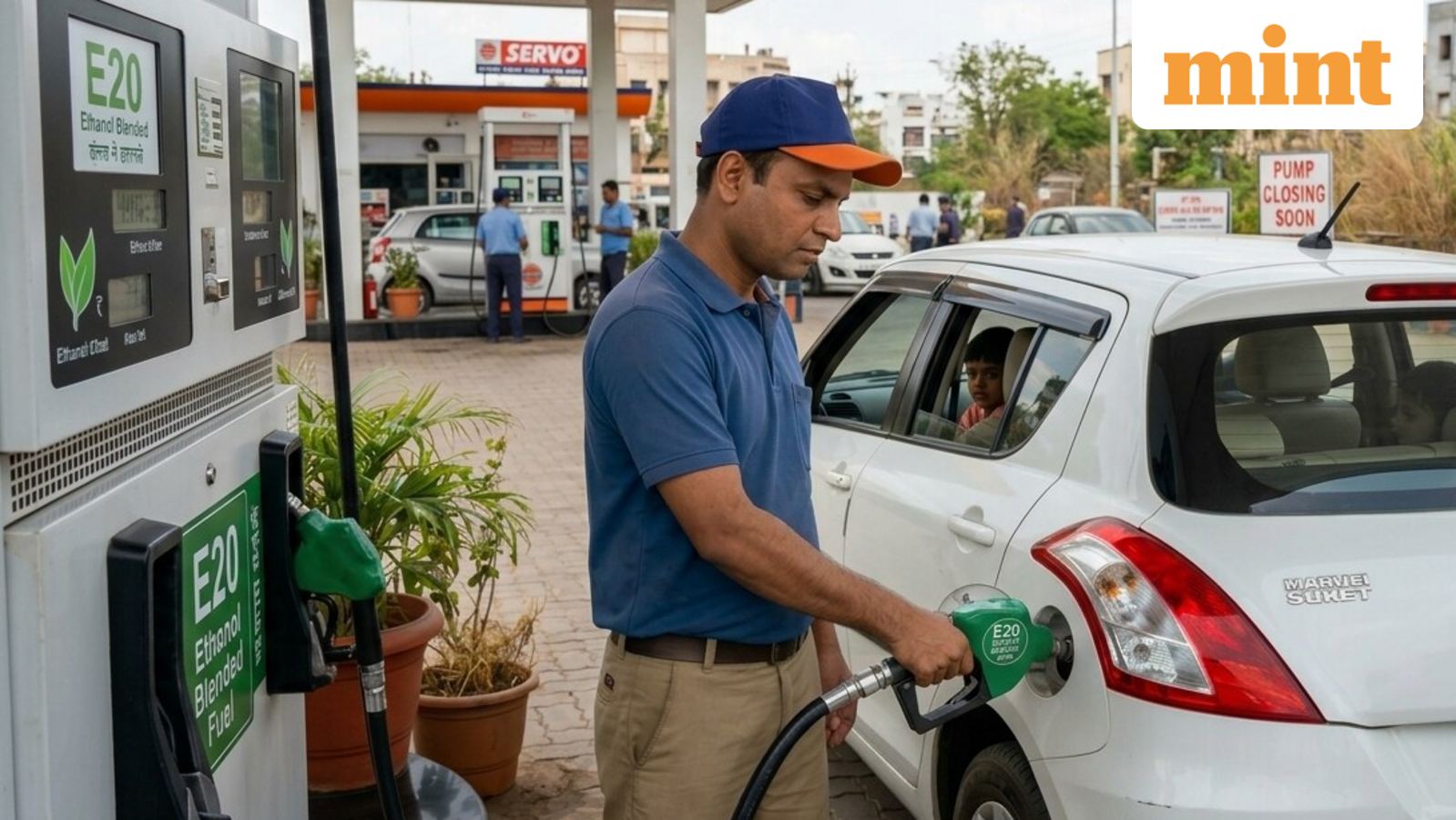
Image: Mint (Business)
Ethanol producers urge India to enhance fuel blending to improve energy security amid the West Asia conflict. What’s next for the biofuel industry?
GlipzoAs the conflict in West Asia escalates, India’s ethanol producers are sounding the alarm and calling on the government to enhance fuel blending practices. In a letter dated March 3, addressed to the Ministry of Petroleum and Natural Gas, the All India Distillers Association (AIDA) emphasized the urgent need to utilize an existing surplus of ethanol to bolster national energy security. This request comes just days after hostilities erupted on February 28, highlighting the vulnerability of India, one of the world’s largest crude oil importers.
AIDA, which represents approximately 80% of India’s distillation capacity, is advocating for stronger incentives for flex-fuel vehicles (FFVs), which can operate on high blends of ethanol. The letter also called for increased procurement of ethanol by oil marketing companies (OMCs). This push reflects a strategic response to global oil price volatility and potential supply chain disruptions, which could further endanger India's energy independence.
In its correspondence, AIDA pointed out that the underutilization of ethanol feedstocks in the upcoming fiscal years 2024-25 and 2025-26 represents a significant opportunity lost. The association argues that India must strengthen its domestic energy solutions by ramping up the production of biofuels, particularly ethanol. The letter stated, "At a time when the country needs stronger domestic energy buffers against global oil shocks, idle biofuel capacity represents a missed strategic opportunity."
So far, the ethanol industry has produced around 20 billion liters, while demand under the government's 20% ethanol blending mandate (E20) has reached approximately 11 billion liters. The E20 program, ratified by the government for FY26, mandates that all petrol sold in India contains a 20% ethanol blend. However, this initiative has faced backlash from consumers who reported a decrease in vehicle mileage due to the blending.
Flex-fuel vehicles, which are designed to run on various fuel blends, including high concentrations of ethanol, offer a potential solution to reduce carbon emissions compared to traditional petrol vehicles. However, mobility experts have raised concerns about the implications of increasing ethanol blending beyond the current levels. Sharif Qamar, an associate director at the Energy and Resources Institute (TERI), noted that while higher ethanol blending could reduce import costs, it might also raise public concerns regarding vehicle efficiency and engine performance.
Qamar emphasized that without adequate preparations, increasing ethanol content could exacerbate existing worries. He stated, "Higher blending would accentuate the impact and enhance public concerns unless all on-road vehicles are made compatible with the higher blended fuel." The need for retrofitting dispensing infrastructure and careful planning is crucial to prevent delays and ensure a smooth transition.
S.S.V. Ramakumar, former director of R&D at Indian Oil, commented on the complexities of transitioning to higher ethanol blends. He mentioned that extensive tests and studies were conducted before implementing the 20% blending mandate and that approximately 1,000 crore liters of ethanol is required to meet this requirement. The industry, he noted, anticipates production could reach 2,000 crore liters by 2028, suggesting that any move beyond 20% blending will necessitate further testing to guarantee performance and compatibility.
In contrast, AIDA president Vijendra Singh expressed confidence in the industry's readiness, stating that the distribution systems are already in place and that transitioning to higher blends is feasible. He assured stakeholders that higher ethanol blends are safe for both modern and flex-fuel engines, referencing successful implementations globally without adverse effects.
Despite these assurances, the debate surrounding ethanol blending has been contentious. Last year, the topic sparked significant discussion across political and consumer platforms over concerns regarding the impact of ethanol-blended fuel on vehicle performance. In response to public apprehension, the government has issued statements asserting that E20 petrol actually provides better acceleration and improves ride quality, countering claims that blending would negatively affect vehicles.
The dialogue surrounding ethanol blending is particularly relevant in the context of rising energy prices and the geopolitical landscape. As the war in West Asia continues to impact global oil markets, the emphasis on domestic energy solutions becomes increasingly critical.
As India navigates these challenges, the future of ethanol blending appears to hinge on several factors, including government policy, technology development, and public perception. The push from ethanol producers to raise blending levels reflects a broader trend towards seeking domestic alternatives in energy production.
Looking ahead, here are a few key points to watch: - Government Response: Will the Ministry of Petroleum and Natural Gas take action on AIDA's recommendations? - Consumer Acceptance: How will consumers react as higher ethanol blends are introduced? - Infrastructure Development: What steps will be taken to ensure that dispensing systems and vehicles are ready for higher ethanol concentrations? - Market Dynamics: How will global oil volatility influence domestic biofuel production and adoption?
As the energy landscape continues to evolve, the relationship between ethanol production, vehicle technology, and government policy will be crucial in shaping India’s energy security and sustainability efforts.
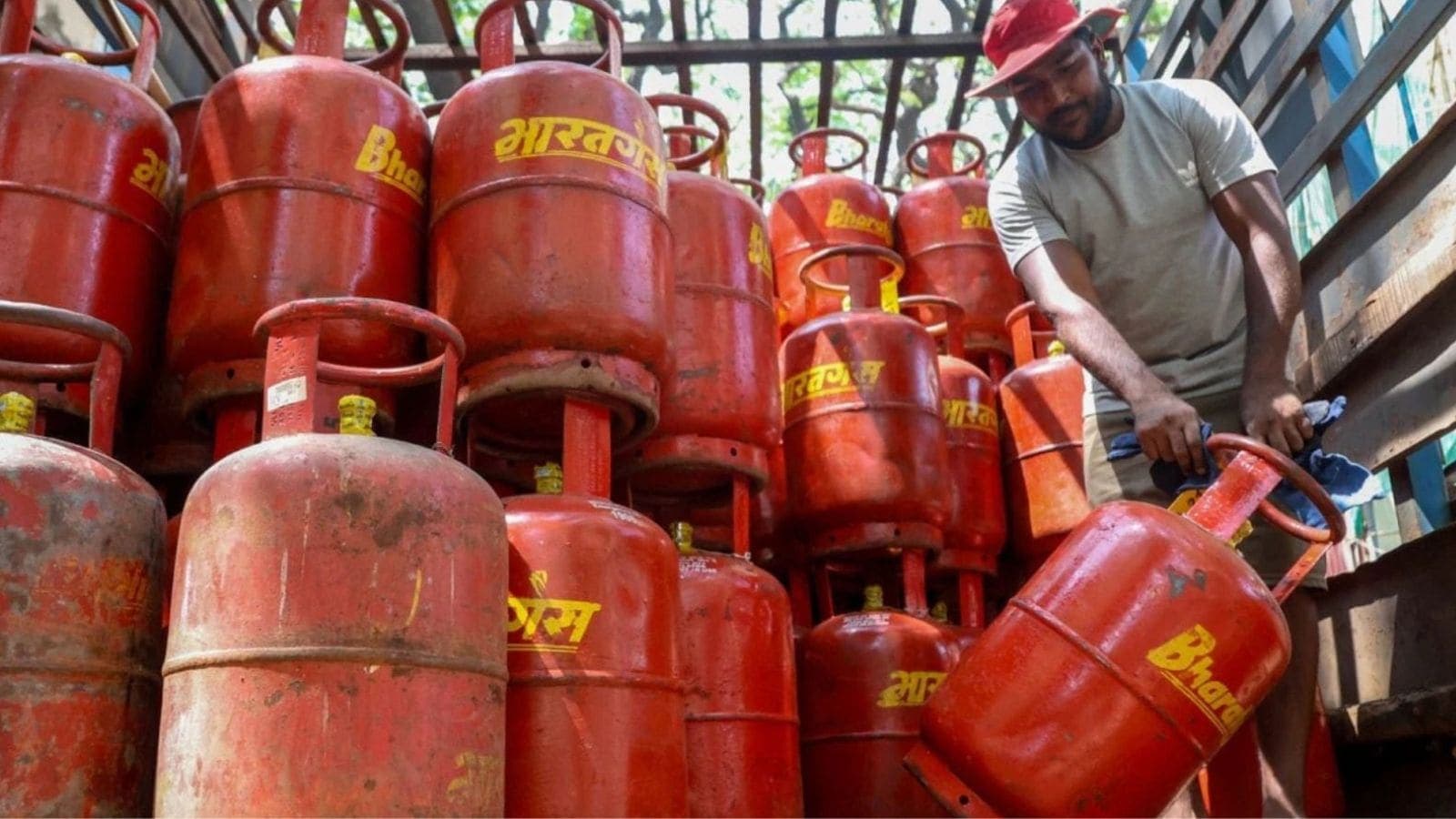
Commercial LPG prices have risen again, with increases of ₹42 in Delhi and ₹53.50 in Kolkata impacting businesses and consumers alike. Find out more.
Indian Express
Discover how a tragic coal mine explosion in Shanxi, China, reveals ongoing safety concerns in the industry amidst a push for green energy.
BBC Business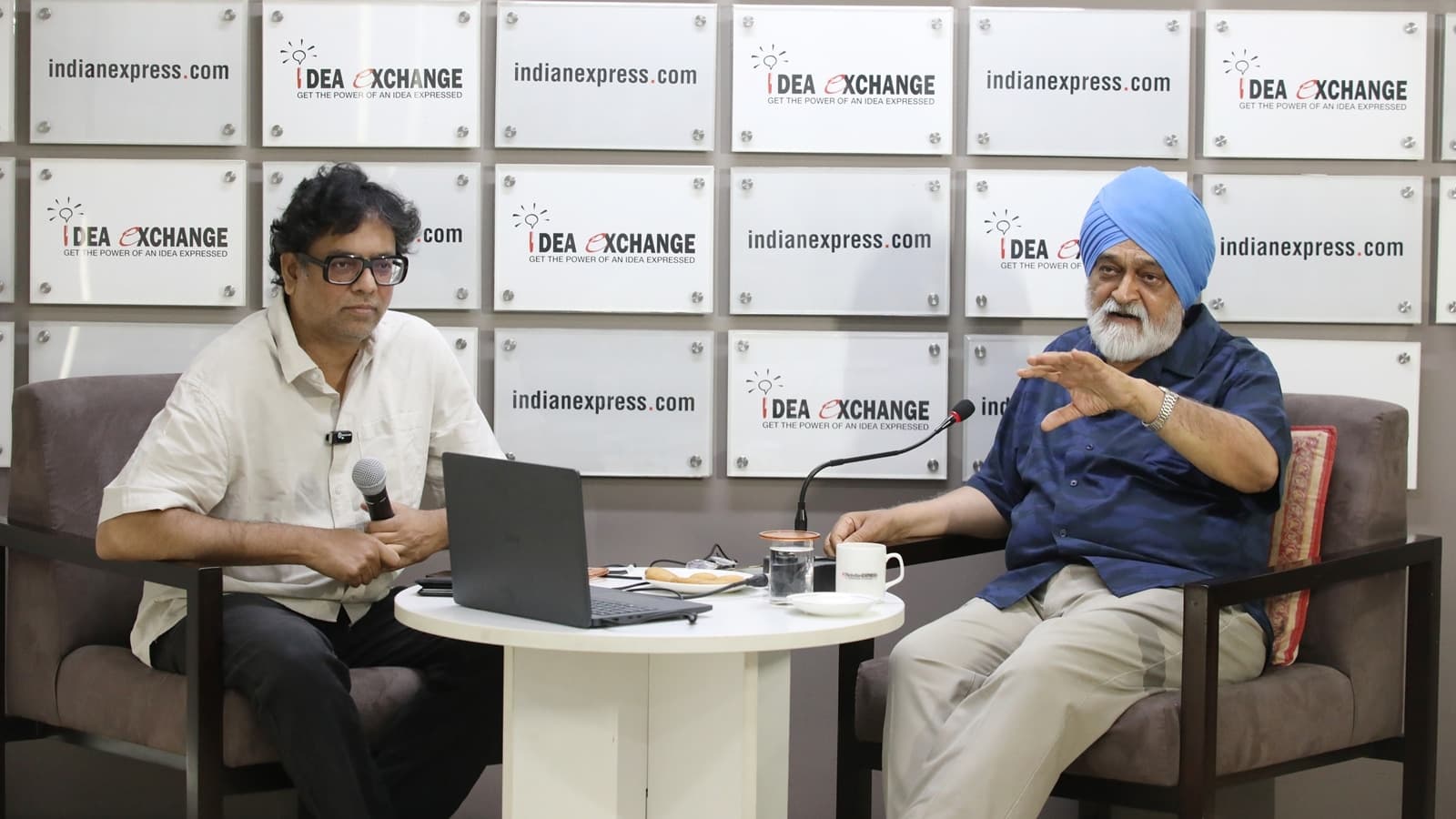
Montek Singh Ahluwalia highlights key economic challenges for India, emphasizing the need for a strategic approach to balance payments and investment.
Indian Express