

Image: The Guardian World
Eswatini has accepted four more deportees from the U.S. as part of a controversial deal with the Trump administration, raising human rights concerns.
GlipzoIn a significant move, Eswatini announced on Thursday that it has accepted four additional deportees from the United States as part of a controversial agreement with the Trump administration. This brings the total count of deportees sent to Eswatini to 19 since the inception of the deal, which has raised eyebrows due to its implications for human rights and immigration policy.
The recent deportees include individuals from Somalia, Sudan, and Tanzania. The announcement comes as the Trump administration continues its aggressive stance on immigration, a hallmark of its policy agenda. This operation is part of a broader effort to enforce what has been termed the largest deportation initiative in U.S. history.
The flights carrying these deportees have been tracked by Human Rights First, an advocacy group focused on human rights issues. According to their monitoring, the most recent flight departed from Phoenix, Arizona, and arrived in Eswatini late Wednesday evening, around 11 PM ET.
In a statement to the Guardian, a senior official from the Department of Homeland Security (DHS) confirmed the administration's commitment to utilizing all lawful means to execute its deportation strategy. However, they did not provide specific details about the individuals being deported, leading to concerns about transparency and the conditions awaiting them in Eswatini.
The ongoing transfers of deportees stem from a controversial $5.1 million deal struck between the U.S. and Eswatini, which has raised questions about ethical practices in international agreements. Through these arrangements, the U.S. has enlisted several countries globally to accept deported migrants who are not their citizens, often incentivized by financial payments.
A recent congressional investigation revealed that the Trump administration paid over $32 million to five foreign governments as part of this strategy. Critics have pointed out that these deals often involve countries with questionable governance, noting that they may engage in human rights violations, public corruption, and human trafficking.
Human rights advocates have voiced strong objections to the agreements, citing potential violations of international laws and human rights standards. In fact, some of the deportees sent to Eswatini last July have filed legal claims with the African Union's human rights body. They argue that their ongoing detention is illegal and violates their basic rights.
The Eswatini high court recently dismissed a case brought forth by local human rights lawyers challenging the legality of the deportations. However, an appeal has been lodged, indicating that the legal battle over these deportations is far from over.
The influx of deportees from the United States raises pressing questions about the capacity and willingness of Eswatini to handle these individuals, who have already served their sentences for crimes committed in the U.S. Despite having completed their prison terms, many deportees remain incarcerated within Eswatini, leading to accusations of unjust treatment.
In July and October of last year, the country accepted deportees from various nations, including Vietnam, Cuba, Laos, and Yemen. This broad spectrum of nationalities reflects the far-reaching implications of the U.S. immigration policy, which is reshaping the demographics and legal landscape of nations like Eswatini.
As Eswatini continues to accept deportees from the U.S., the key question emerges: what will happen to these individuals upon arrival? Their future remains uncertain as they face potential legal battles and social stigma in a country that may not have the resources or infrastructure to support them adequately.
Furthermore, the international community will be watching closely to see how these deportation agreements evolve. Increased scrutiny on human rights practices may prompt further investigations and discussions about the ethical implications of the U.S.'s immigration policies.
Eswatini's role as a third country for deportees places it at the center of a global conversation about immigration, human rights, and the responsibilities of nations in an increasingly interconnected world. As these situations unfold, all eyes will be on Eswatini to see how it navigates this complex landscape and what it means for the deportees who find themselves there.
This situation highlights the intersection of immigration policy and human rights, raising critical questions about accountability and the treatment of individuals who find themselves caught in a system that is often opaque and punitive. The outcomes of these cases could set important precedents for future deportation practices and international agreements.
The developments in Eswatini serve as a cautionary tale about the ramifications of aggressive immigration policies and the ethical considerations that must accompany them as nations navigate the complexities of global migration.
In an era where immigration remains a hot-button issue, the actions of the Trump administration and the responses from countries like Eswatini will undoubtedly shape the discourse on human rights and immigration for years to come.
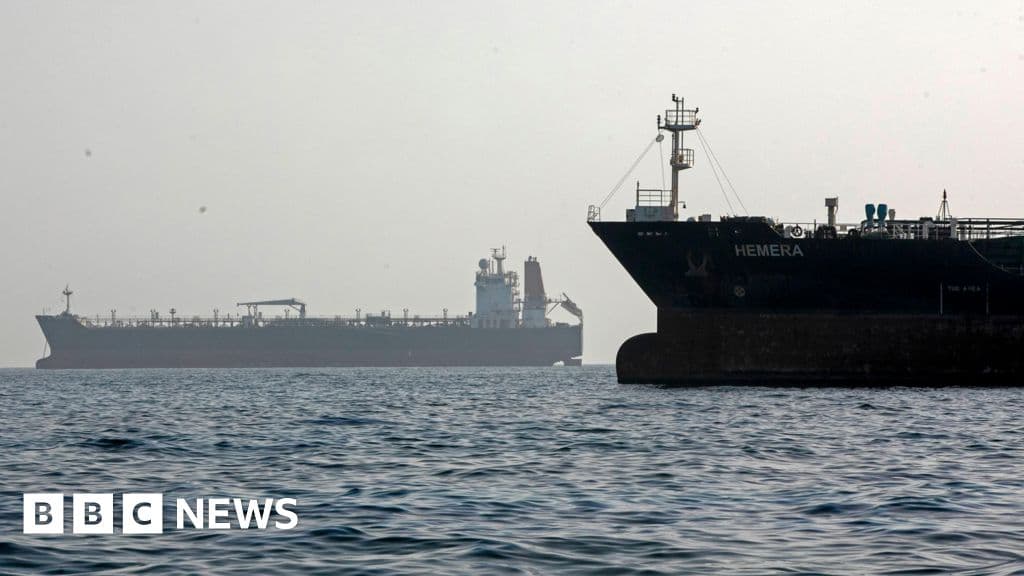
Tensions soar as the US and Iran engage in air strikes near the Strait of Hormuz, raising concerns over global oil supply and regional stability.
BBC World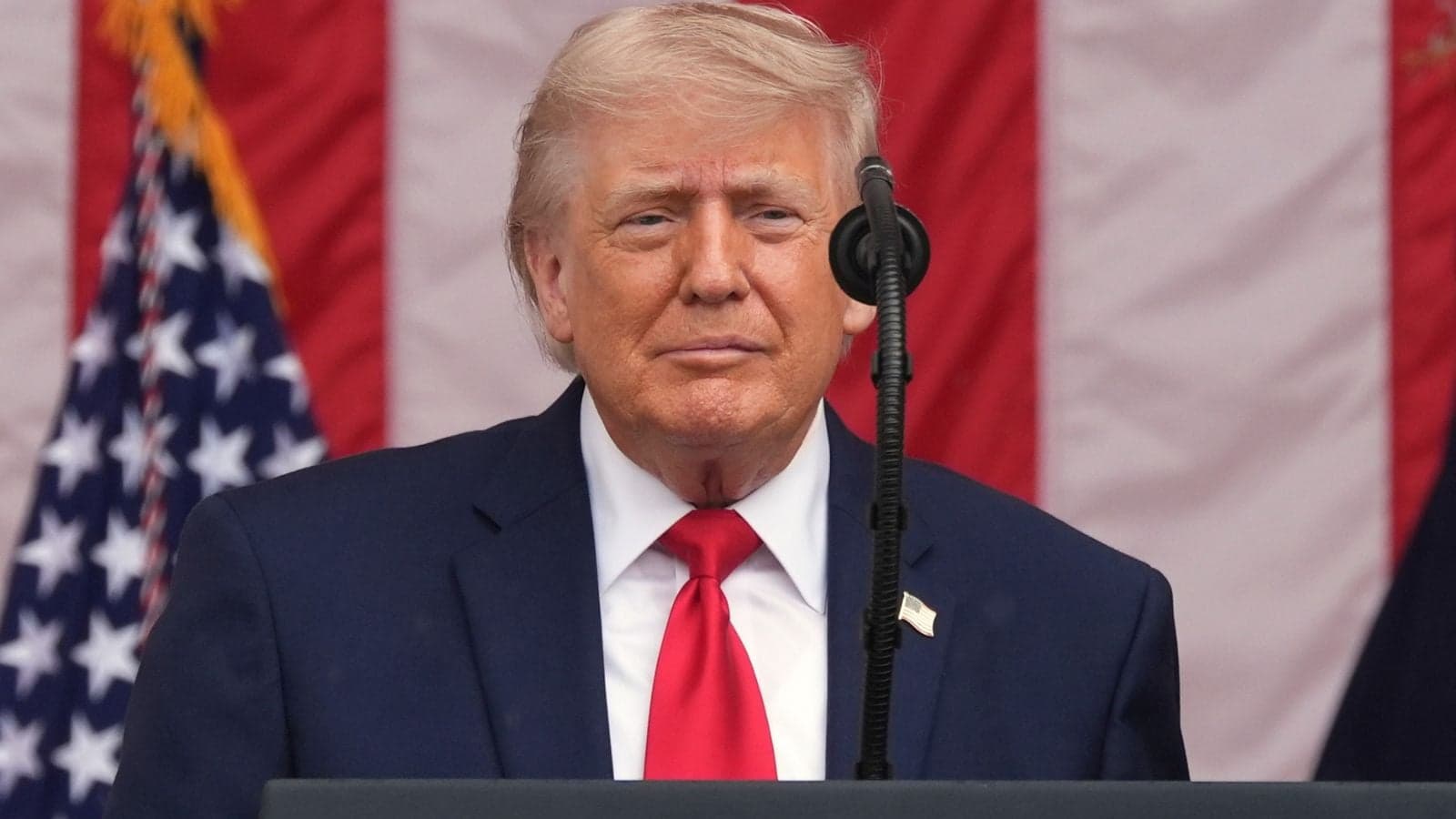
Trump's international interventions face serious stalemates. What will this mean for U.S. foreign policy? Explore the critical challenges ahead.
Indian Express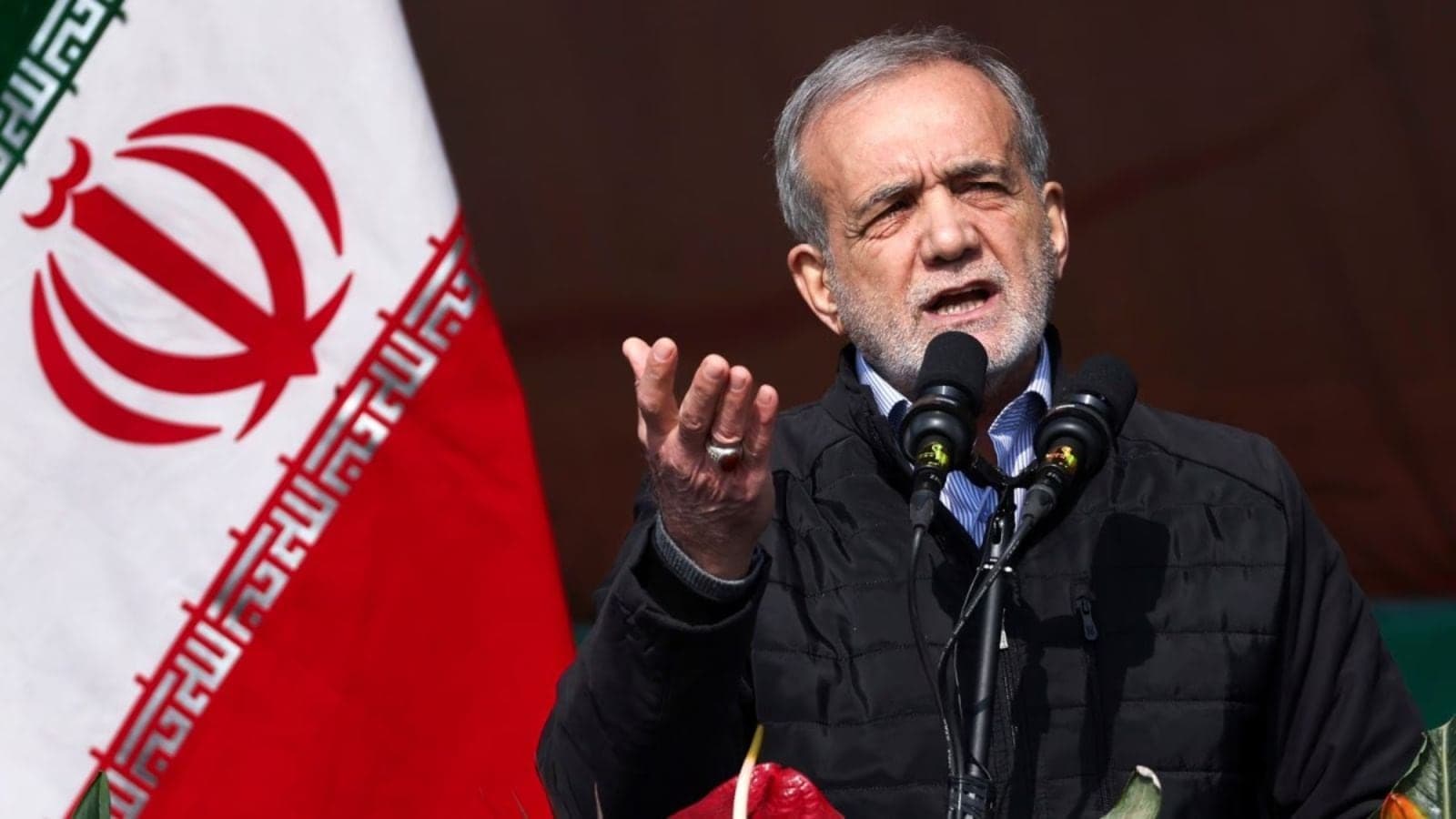
Tehran denies resignation of President Masoud Pezeshkian amid claims of IRGC influence. What does this mean for Iran's political stability? Click to learn more!
Indian Express