

Image: The Hindu
Ernakulam is facing a severe hepatitis A outbreak, with over 150 cases monthly. Experts urge immediate action on hygiene and vaccination. What can be done?
GlipzoErnakulam district in Kerala is currently grappling with a severe outbreak of hepatitis A, marking the region as the highest in the state for reported cases. In just the past two months, the district has seen a staggering 150 cases per month, with over 80 new infections reported in the first 16 days of March alone. This troubling trend has raised significant public health concerns across the area.
Health experts attribute this alarming increase to poor hygiene practices, including improper food preparation and the consumption of unboiled water. The widespread nature of the outbreak has prompted calls for immediate action from health officials and medical practitioners to combat the disease's spread.
Dr. G. Sathyajith Nair, secretary of the Indian Academy of Paediatrics in Kochi, expressed grave concern regarding the rising number of hepatitis A cases. He noted that the disease primarily spreads through the fecal-oral route, emphasizing that inadequate hygiene among food service workers can lead to contamination in canteens, hotels, and eateries. Dr. Nair warned that with the monsoon season approaching, the potential for further transmission increases. He urged the community to prioritize proper sanitation and vaccination as essential measures to curb the outbreak.
Dr. Minu Mohan, an Assistant Professor in the Department of Community Medicine at the Government Medical College in Ernakulam, highlighted the critical factors contributing to the outbreak. She pointed out that unboiled water, lack of regular chlorination of public water sources, and general poor hygiene are significant contributors to the disease's spread.
In Kalamassery, a locality that experienced hepatitis A outbreaks last year, health officials are taking proactive measures. They recognize that the area's floating population often brings in diseases. A health official stated that hepatitis A cases are a recurring issue and that the local health department has initiated mass chlorination drives and health education campaigns to raise awareness.
Dr. K.G. Jayan, a former head of the Department of General Medicine at the General Hospital in Ernakulam, warned residents to stay vigilant as we transition into summer. He emphasized that water scarcity during the hot months often pushes people to rely on untreated sources, significantly increasing the risk of infection.
The ongoing hepatitis A outbreak in Ernakulam is a critical public health issue, underscoring the importance of hygiene and sanitation in preventing the spread of infectious diseases. With over 150 cases reported monthly and the potential for increased infections during the summer and rainy seasons, immediate action is crucial to protect the health of residents.
Authorities are calling for: - Increased Public Awareness: Residents must be educated about the importance of drinking clean water and practicing good hygiene. - Health Campaigns: Initiatives aimed at promoting vaccination and safe food handling practices. - Government Intervention: Enhanced water treatment and sanitation measures are necessary to combat the outbreak effectively.
As the situation develops, residents of Ernakulam and surrounding areas must remain vigilant. Health officials will likely intensify public health campaigns and surveillance efforts to monitor the outbreak's trajectory. Key points to observe include: - Vaccination Drives: Increased availability and participation in hepatitis A vaccination programs. - Water Quality Monitoring: Regular updates on water chlorination and safety measures. - Public Health Announcements: Updates from health authorities on the outbreak and prevention strategies.
In summary, the recent surge in hepatitis A cases highlights the urgent need for improved hygiene practices and public health measures. As the community comes together to address this pressing issue, adherence to safety protocols and proactive health measures will be essential in mitigating the outbreak and protecting public health.

Shocking findings from Nottingham's maternity unit reveal a toxic culture and alarming neglect. What can be done to improve care? Discover the details.
BBC Health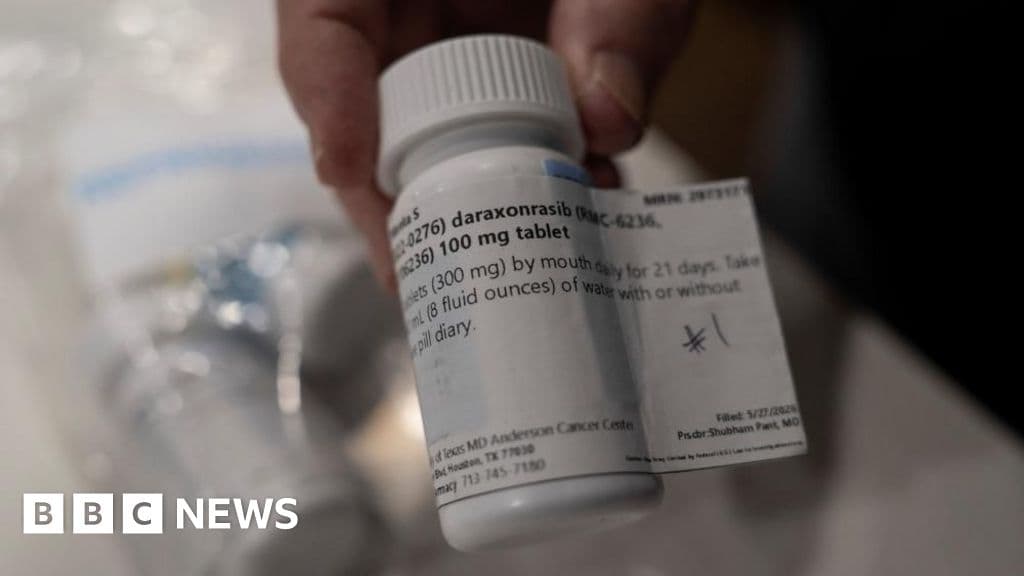
Discover how daraxonrasib, a new pill, is nearly doubling survival rates for pancreatic cancer patients, offering hope in a challenging battle against this deadly disease.
BBC Health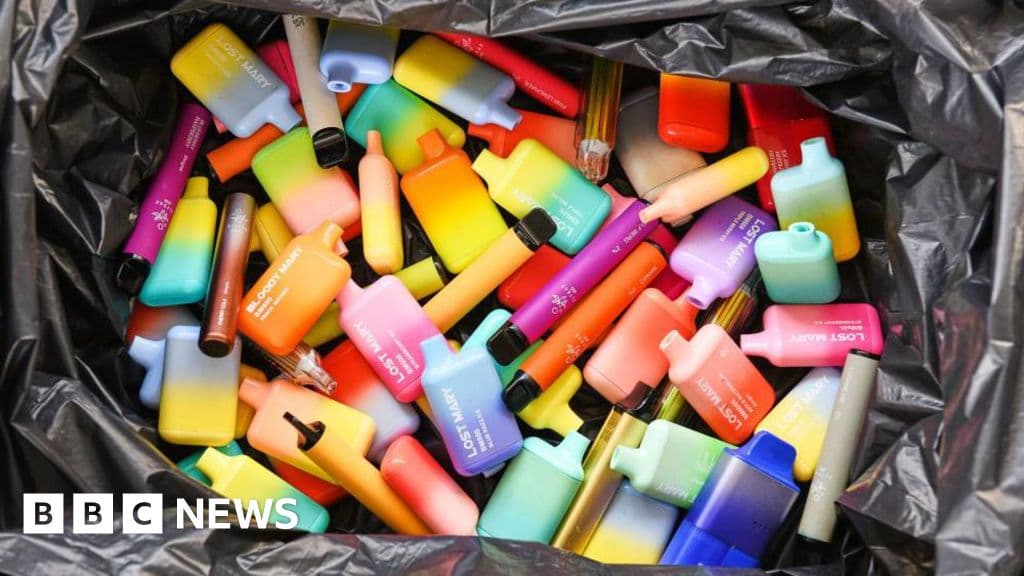
Waste companies propose a £5 deposit on vapes to encourage proper disposal and curb littering as the environmental impact of vapes increases.
BBC Business