
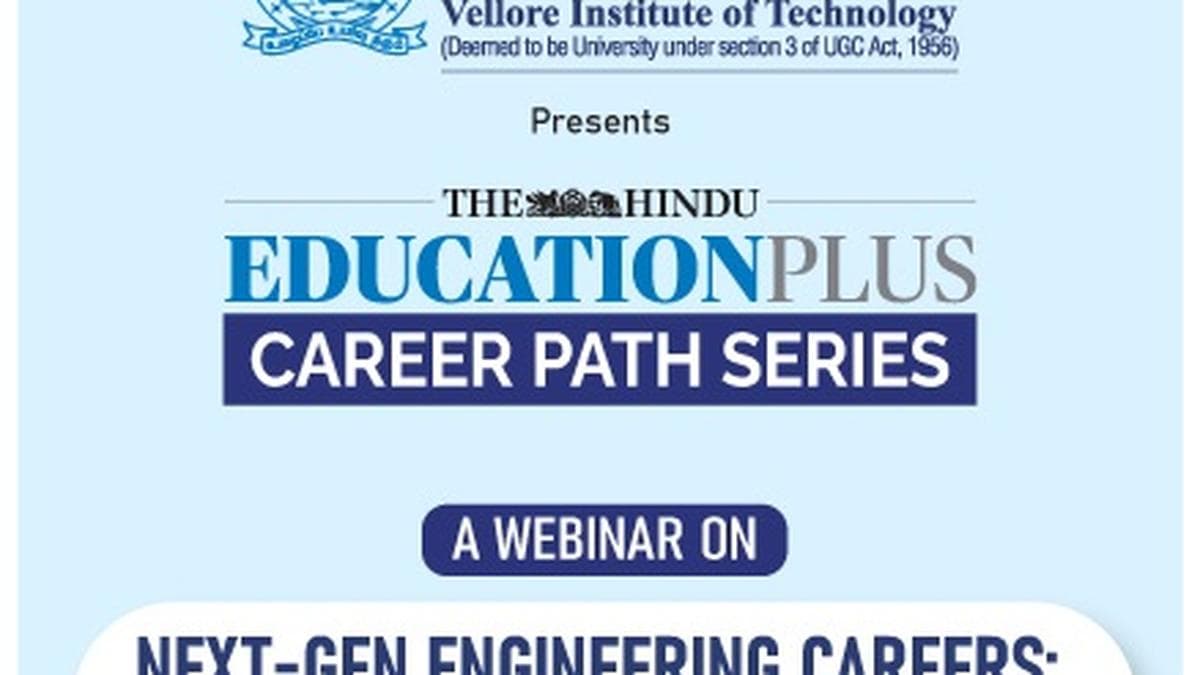
Image: The Hindu
Discover how engineers can thrive in the AI era with insights from a recent webinar on emerging skills and opportunities for future careers.
GlipzoIn an era where Artificial Intelligence (AI) is reshaping industries, a recent webinar titled ‘Next-Gen Engineering Careers: Opportunities and Skills for the Future’ provided enlightening insights into how engineers can adapt and thrive. Held on March 21, 2026, by the Vellore Institute of Technology and The Hindu Education Plus, this session offered a glimpse into the evolving landscape of engineering and the critical skills needed to succeed.
Panelists at the webinar emphasized that engineers are uniquely positioned to benefit from the advancements in AI, particularly as the field continues to expand and innovate. Pavan Desiraju, head of human resources at San Disk, stated that students who embrace continuous learning and adaptability will emerge as leaders in this new environment. He remarked, “AI is an assistive tool. Curious and creative minds can seamlessly take to next-gen engineering careers moving towards automated systems and sustainability.” This perspective highlights the importance of cultivating innovative thinking and practical knowledge in engineering education.
With the advent of AI, the job market is transforming rapidly. Sandhya Pentareddy, executive director at VIT Vellore, articulated the dual nature of this transformation: while some jobs may become obsolete, new opportunities are arising. She noted that academic institutions are proactively integrating AI into their curricula, adopting an interdisciplinary approach to prepare students for the future. According to her, fields such as biotechnology, cybersecurity, computer science, data analytics, and prompt engineering are set to experience significant growth, and there will be an increasing demand for green energy experts, robotics engineers, and AI specialists.
The webinar also featured insights from Samuel Rajkumar, director of the Career Development Centre at VIT Vellore, who provided an overview of various engineering branches offered by the institution and the corresponding career paths. His presentation underscored the diverse opportunities available to graduates, encouraging students to explore the vast potential of engineering in the context of AI and technology.
The discussion around AI's impact on engineering careers is not just relevant for current students; it holds significance for educators, industry leaders, and policymakers. As AI becomes more integral to various sectors, it is crucial for the workforce to adapt accordingly. The emphasis on lifelong learning and skills enhancement will be pivotal in ensuring that engineers remain competitive in a rapidly changing job market.
To stay ahead in the evolving engineering field, aspiring engineers should focus on developing the following skills: - Adaptability: Ability to embrace change and learn new technologies quickly. - Creative Problem-Solving: Utilizing innovative thinking to tackle complex challenges. - Interdisciplinary Knowledge: Integrating knowledge from various fields to enhance engineering solutions. - Technical Proficiency: Mastering tools and technologies relevant to AI and engineering disciplines. - Collaboration and Communication: Working effectively within teams and conveying ideas clearly.
As industries increasingly adopt AI technologies, the demand for skilled engineers will only grow. Educational institutions must continue to evolve their curricula to include emerging technologies, ensuring that graduates are equipped with the skills required in the future job market. Those pursuing careers in engineering should remain proactive in their learning, seeking opportunities to upskill and adapt to new trends.
The insights shared during the webinar serve as a roadmap for future engineers, illustrating that while challenges exist, there are also tremendous opportunities for growth. The key takeaway is clear: embracing innovation and adaptability will empower the next generation of engineers to excel in an AI-driven world. For those interested, the full webinar can be viewed [here](https://newsth.live/THVITNGY).
Amritsar student questions age-based ranking, prompting Punjab CM to reform PSEB policies. A significant change towards merit-based recognition is underway.
Indian Express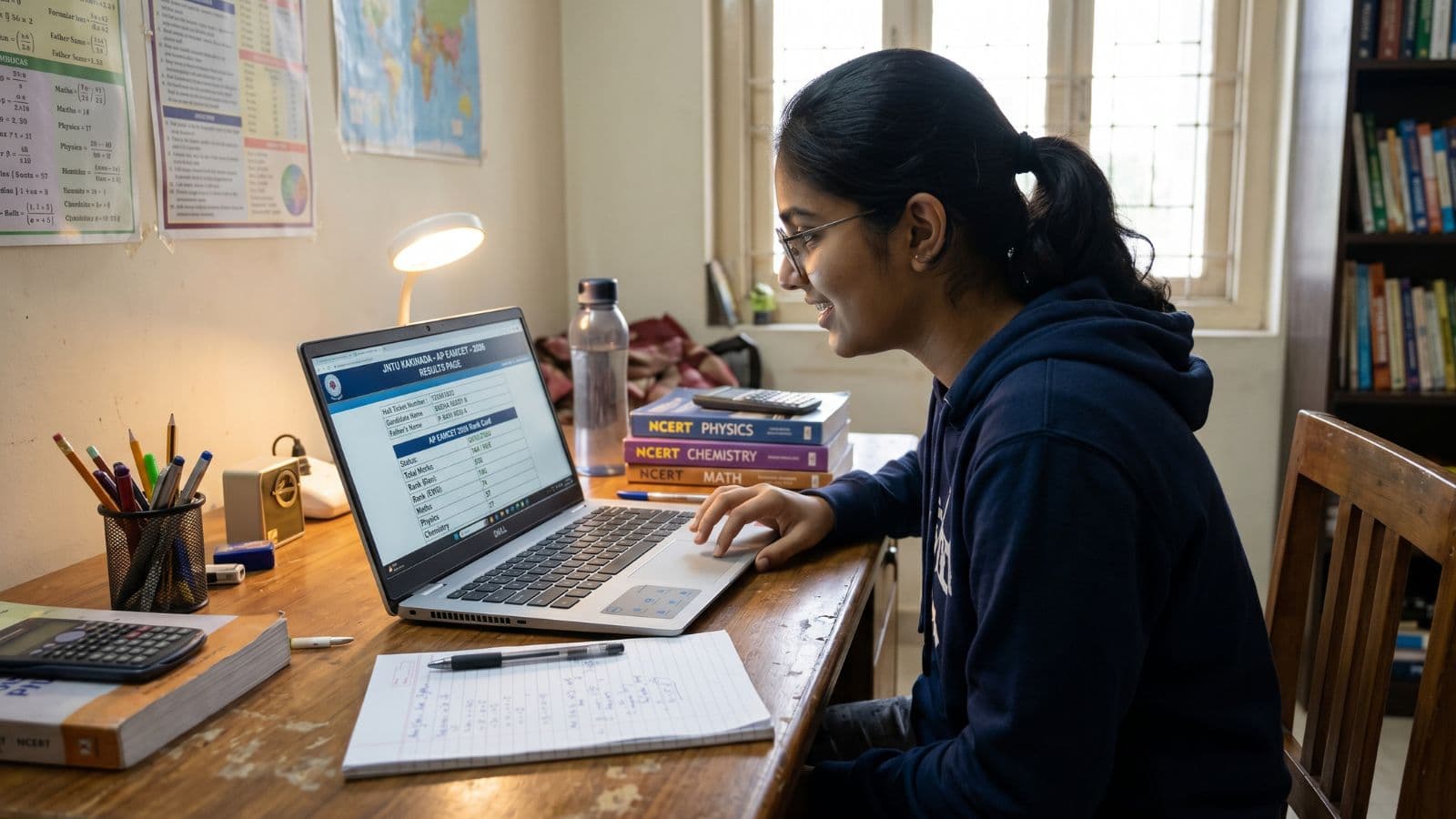
AP EAMCET 2026 results are out! Discover how to check your scorecard and navigate the upcoming counselling process for college admissions.
Indian Express
CBSE's new OSM system faces backlash as students struggle with re-evaluation. Will their futures be jeopardized by technical flaws?
Indian Express