
Image: BBC Health
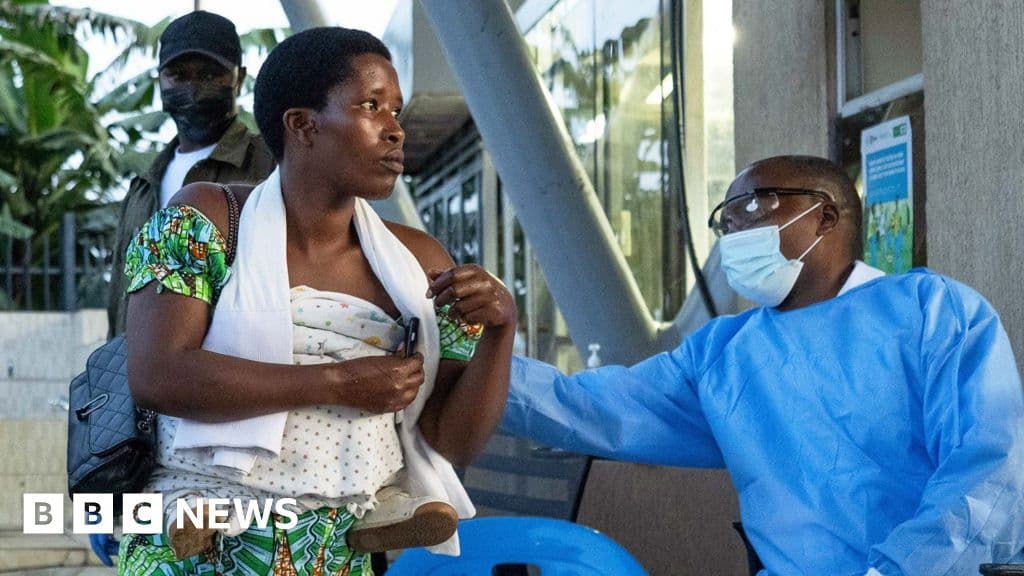
The Ebola outbreak in DR Congo is spreading rapidly, with WHO warnings of underreported cases and urgent need for community protection measures.
GlipzoResidents near the outbreak's epicenter in Ituri province have shared their harrowing experiences. One local, who goes by the name Bigboy, shared with the BBC that infected individuals are succumbing to the disease at an alarming rate, stating, "Ebola has tortured us." This sentiment echoes the growing concern among the population, who feel increasingly vulnerable amid a deteriorating health environment.
In the face of this crisis, locals like Alfred Giza are taking precautionary measures, such as frequent handwashing with clean water. However, he expressed a desperate need for protective gear, including face masks, to safeguard themselves against the virus. This understanding of the outbreak's threat is crucial, yet it remains evident that many individuals are unsure of how to respond if they encounter the virus directly within their families or communities.
Last week, WHO Director-General Tedros Adhanom Ghebreyesus declared the outbreak an international emergency, voicing his deep concern about the epidemic's scale and velocity. This declaration came just before an emergency committee meeting that aims to prioritize medical interventions in the affected regions.
In addition to the local population, there are more than 11,000 refugees from South Sudan in the area, further straining resources and increasing the risk of transmission as people move for work in local gold mines.
Dr. Ancia remarked on the challenges posed by the Ituri province, describing it as an area marked by insecurity and significant population movement. The chaotic environment complicates efforts to investigate and manage the disease effectively. As the outbreak spreads to other regions, including South Kivu and Goma, the risk of further transmission increases, especially in densely populated areas where health infrastructure is limited.
Moving forward, it will be essential to monitor the effectiveness of the WHO’s emergency measures and the local government's response. Observers should keep an eye on infection rates, the deployment of medical resources, and the community's adherence to safety protocols as the situation evolves.
In summary, the current Ebola crisis in the DR Congo serves as a somber reminder of the vulnerabilities faced by regions afflicted by conflict and disease, and it calls for immediate action and sustained international support to help quell the outbreak.
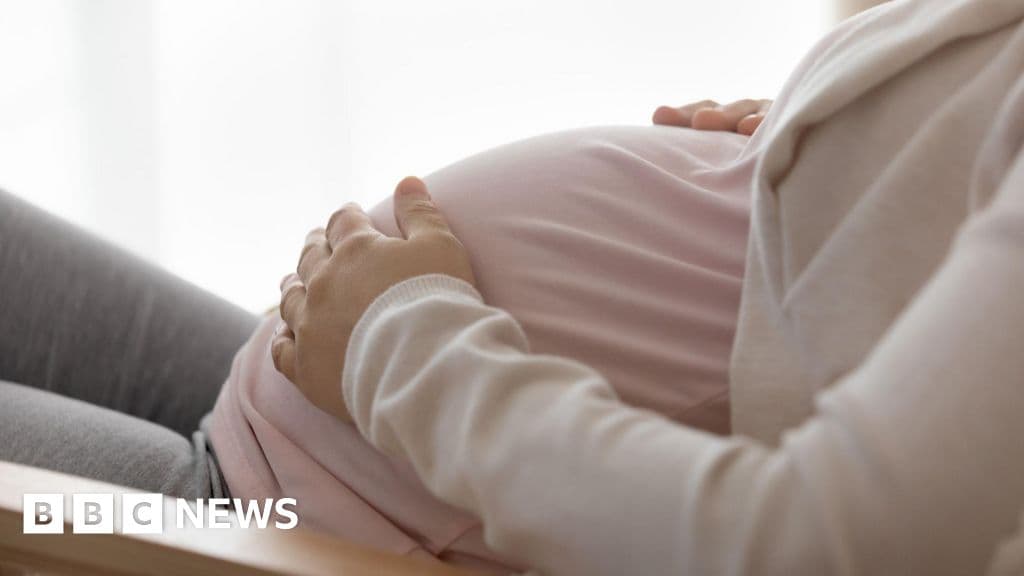
Shocking findings from Nottingham's maternity unit reveal a toxic culture and alarming neglect. What can be done to improve care? Discover the details.
BBC Health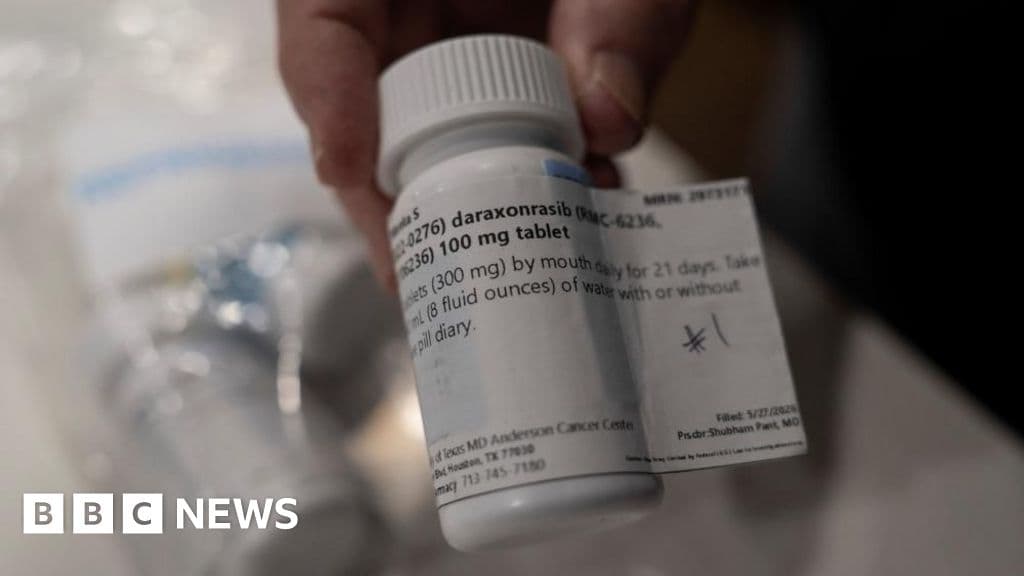
Discover how daraxonrasib, a new pill, is nearly doubling survival rates for pancreatic cancer patients, offering hope in a challenging battle against this deadly disease.
BBC Health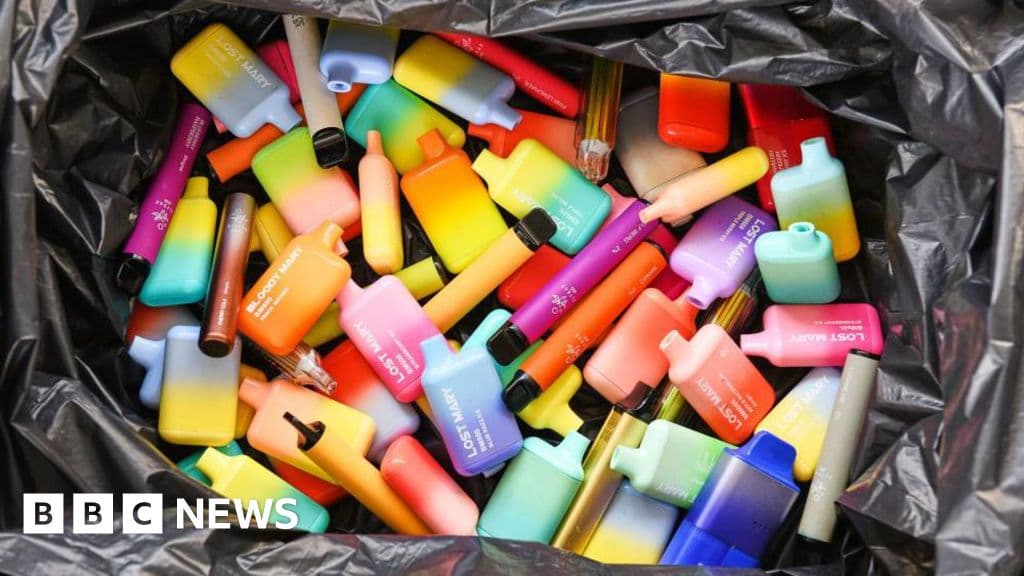
Waste companies propose a £5 deposit on vapes to encourage proper disposal and curb littering as the environmental impact of vapes increases.
BBC Business