
Image: BBC World
A senior MSF official warns of a critical Ebola outbreak in DRC, highlighting the urgent need for medical resources and effective response strategies.
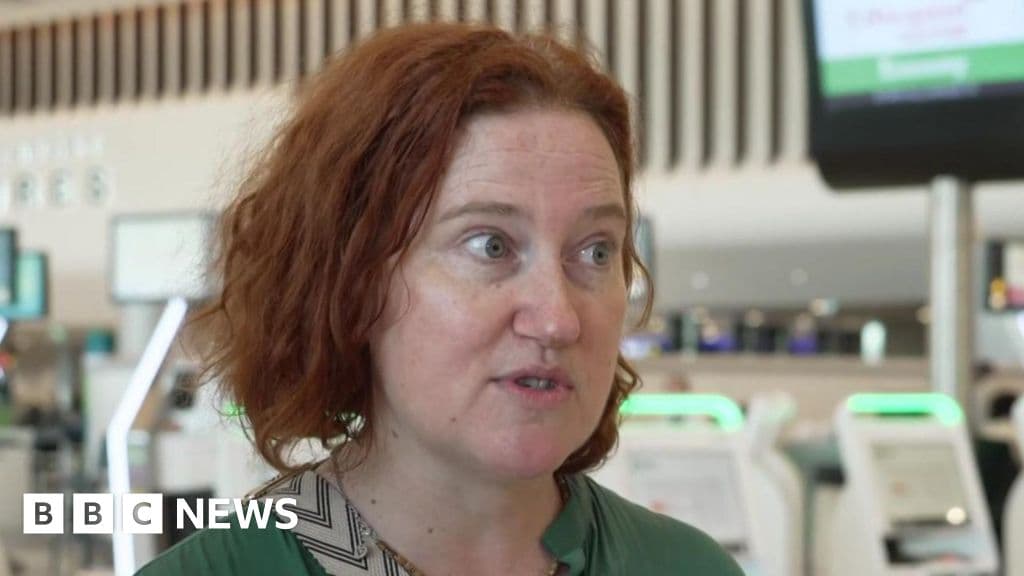
GlipzoWhite departed from Manchester Airport on Sunday, joining an international relief effort amid escalating concerns. "It really reinforces the need to ensure that we have all of the protective measures in place," she stated, highlighting the critical nature of the ongoing crisis. The World Health Organization (WHO) recently declared a public health emergency of international concern, emphasizing the rapid spread of the disease, which has already claimed the lives of three Red Cross volunteers and is linked to over 850 suspected cases and 200 suspected deaths.
This latest outbreak is particularly concerning due to the presence of a rare species of Ebola, further complicating treatment efforts. White emphasizes the need for improved case confirmation methods across all affected areas. She stated, "We want to be able to discharge them as soon as they recover from it so they can return to their families, and we're not there yet."
Historically, Ebola outbreaks were contained to remote areas, but urbanization now brings larger populations closer to natural reservoirs of the virus, heightening the risk of transmission. This latest outbreak highlights the dangers of insufficient public health infrastructure and delayed response times.
The ongoing conflict in the DRC further complicates the situation, making it difficult for aid organizations to operate effectively. White noted that the outbreak has likely been in progress for a substantial period before being detected, complicating efforts to understand and contain the chains of transmission. This lack of clarity makes it considerably more difficult to implement control measures and protect vulnerable populations.
To combat the outbreak effectively, stakeholders must prioritize the following: - Accelerating the development and distribution of vaccines and treatments. - Enhancing logistics for the rapid deployment of medical personnel and supplies. - Improving communication and data sharing to better understand and control the outbreak.
The DRC's Ebola outbreak is a critical public health issue with far-reaching implications. As the global community grapples with this challenge, a concerted effort to bolster medical infrastructure and support affected regions will be vital. Moving forward, the world should remain vigilant and prepared to respond to similar health crises, ensuring that we are better equipped to handle future outbreaks.
Why It Matters: The ongoing Ebola outbreak in the DRC highlights the urgent need for global health systems to adapt and improve their response strategies, underscoring the interconnectedness of health security worldwide.

Shocking findings from Nottingham's maternity unit reveal a toxic culture and alarming neglect. What can be done to improve care? Discover the details.
BBC Health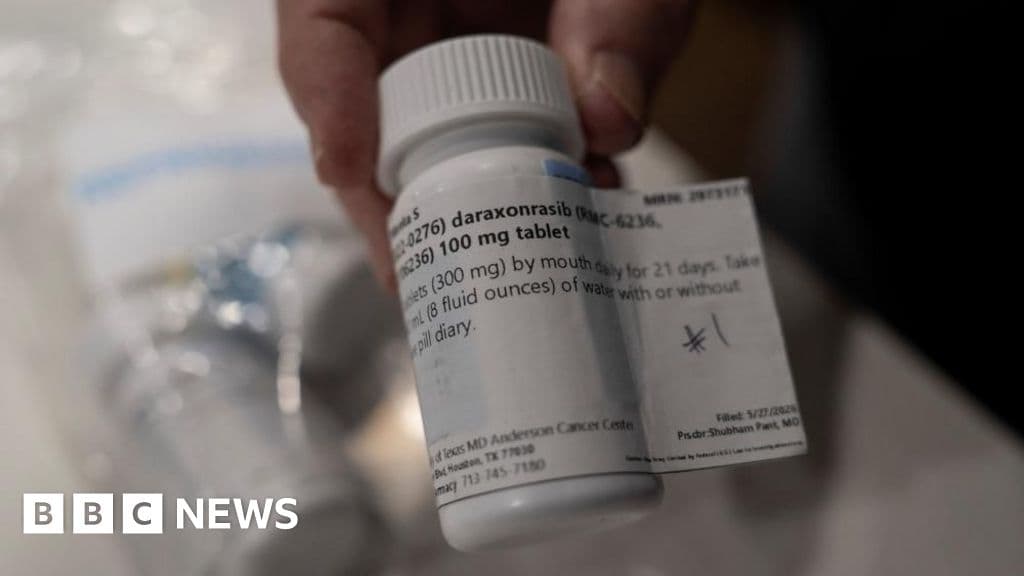
Discover how daraxonrasib, a new pill, is nearly doubling survival rates for pancreatic cancer patients, offering hope in a challenging battle against this deadly disease.
BBC Health
Waste companies propose a £5 deposit on vapes to encourage proper disposal and curb littering as the environmental impact of vapes increases.
BBC Business