
Image: BBC World
Discover the latest on the Ebola outbreak in DR Congo. What does it mean for global health? Learn about the risks and response strategies.
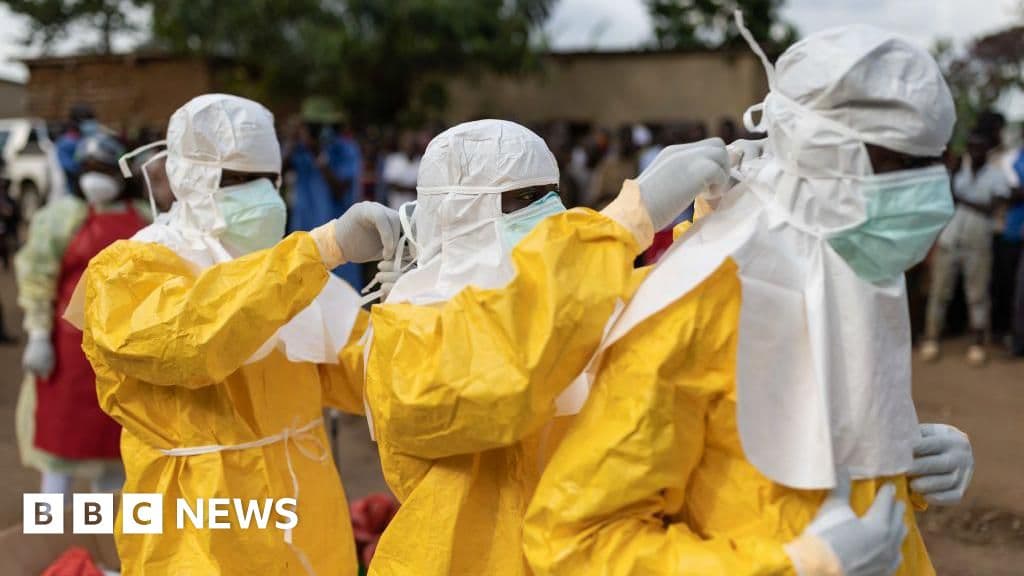
GlipzoThe Ebola outbreak in the Democratic Republic of Congo (DRC) is raising alarms among health experts, as the virus has been spreading undetected for weeks in a region plagued by civil unrest. This outbreak is particularly concerning due to its occurrence in a remote area, where access to healthcare is severely hampered. With nearly 250 suspected cases and 80 confirmed deaths, the situation demands immediate attention and action.
Despite the historical context of Ebola outbreaks, most being small and contained, the shadow of the 2014-2016 outbreak looms large. That epidemic resulted in 28,600 infections, marking it as the largest outbreak in history. While the World Health Organization (WHO) has declared a public health emergency of international concern, it's crucial to understand that this does not mean we face a global pandemic akin to COVID-19. The overall risk to the global population remains low, with only a handful of cases reported in countries like the UK, all related to healthcare workers assisting in affected areas.
Dr. Amanda Rojek from the Pandemic Sciences Institute at the University of Oxford emphasizes that the current situation necessitates international cooperation due to its complexity. Neighboring countries such as Uganda, South Sudan, and Rwanda are at heightened risk due to extensive trade and travel connections. In fact, Uganda has already reported two confirmed cases of the virus, with one fatality.
Ebola is a severe and often fatal disease that primarily affects humans and other primates. It is transmitted through bodily fluids from infected individuals, typically during the later stages of the illness. This outbreak specifically involves the Bundibugyo strain of the Ebola virus, which has previously caused limited outbreaks in 2007 and 2012. This strain is particularly challenging as there are currently no approved vaccines or effective treatments available, complicating the response efforts.
The Bundibugyo strain presents unique obstacles in controlling the outbreak. Unlike other Ebola strains, such as Zaire or Sudan, there are no established vaccines or therapeutic agents specifically targeting Bundibugyo. Experts warn that the testing methods initially used to identify the virus were inadequate, leading to delays in confirmation and response. As noted by Prof. Trudie Lang, this poses one of the most significant challenges in managing the outbreak effectively.
Symptoms of Ebola typically manifest 2 to 21 days post-exposure, beginning with flu-like signs such as fever, fatigue, and headaches. As the disease progresses, it can lead to more severe symptoms, including vomiting, diarrhea, and even internal bleeding. Early intervention is critical, as prompt supportive care can significantly improve survival rates.
To combat the current outbreak, health officials are focusing on several key strategies: - Rapid identification of infected individuals and their contacts - Implementing stringent measures in hospitals to prevent further transmission - Increasing awareness and education in the surrounding communities about the virus
The first known case emerged from a nurse who began showing symptoms on April 24, but it took three weeks for health officials to confirm the outbreak. Dr. Anne Cori from Imperial College London expressed concern over the delayed detection, suggesting that the prolonged transmission could lead to a significantly larger outbreak than currently recognized.
The ongoing situation in the DRC highlights the importance of global health vigilance, particularly in regions facing instability. While the immediate threat to the broader international community remains low, the potential for spillover into neighboring countries necessitates a coordinated response from health organizations worldwide. The outbreak serves as a stark reminder of the vulnerabilities present in regions with limited healthcare access and ongoing conflict.
As experts continue to monitor the situation, the focus will be on facilitating rapid response efforts and ensuring that systems are in place to identify and treat cases as they arise. The international community must remain watchful, as the dynamics of disease outbreaks can shift rapidly, and the lessons learned from this incident could inform future responses to similar health crises.
Moving forward, it will be crucial to track the outbreak's evolution, paying close attention to: - The effectiveness of containment strategies implemented by local health authorities - The emergence of any new cases in surrounding countries - Advancements in research on experimental treatments and vaccines for Bundibugyo Ebola
In the coming weeks and months, the international health community's response will be pivotal in curbing the spread of this outbreak and safeguarding public health in the region and beyond.

Shocking findings from Nottingham's maternity unit reveal a toxic culture and alarming neglect. What can be done to improve care? Discover the details.
BBC Health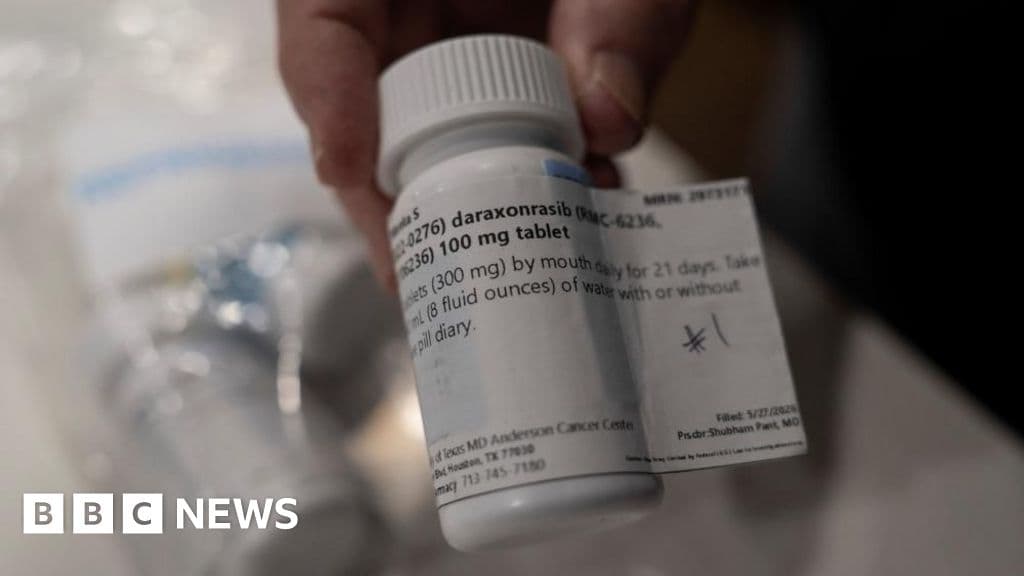
Discover how daraxonrasib, a new pill, is nearly doubling survival rates for pancreatic cancer patients, offering hope in a challenging battle against this deadly disease.
BBC Health
Waste companies propose a £5 deposit on vapes to encourage proper disposal and curb littering as the environmental impact of vapes increases.
BBC Business