
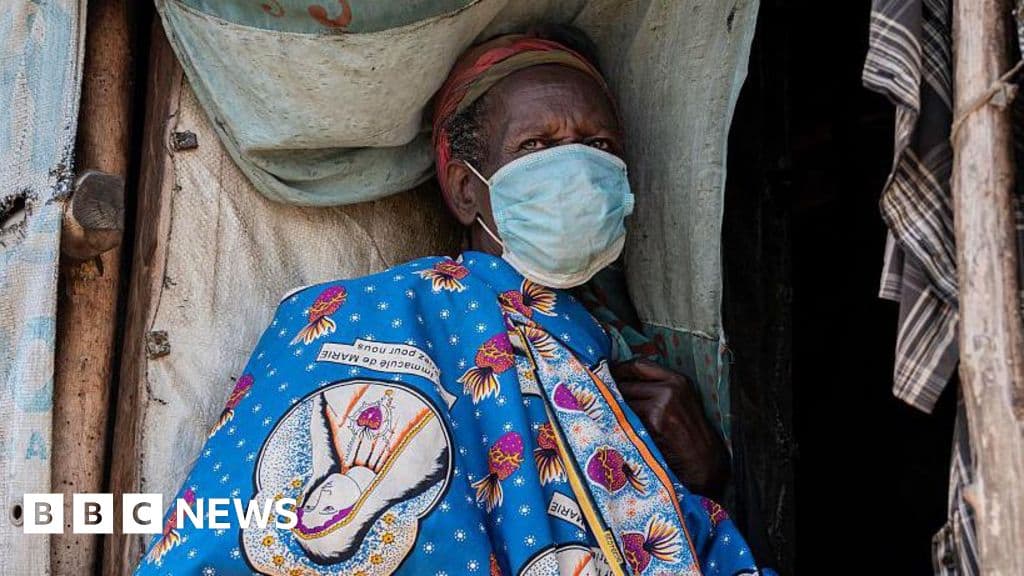
Image: BBC World
Ebola's rapid spread in the DR Congo raises alarming concerns. Learn about the outbreak's impact and the global health implications.
GlipzoAccording to Dr. Alan Gonzales, the MSF deputy director, this outbreak has already recorded an astonishing number of cases, surpassing previous instances within such a short timeframe. As of now, there are over 1,000 suspected cases and at least 246 confirmed fatalities associated with the virus, with neighboring Uganda reporting nine confirmed cases and one death. Dr. Gonzales stated, “Never before has an Ebola outbreak recorded so many cases so soon after its declaration.”
Despite these efforts, the MSF warns that the response has not yet synchronized with the epidemic's relentless pace. Dr. Gonzales pointed out that hundreds of samples remain untested, leaving significant gaps in the understanding of the outbreak's true scale. He stated, "The reality today is that nobody knows the true scale and severity of this outbreak."
Dr. Tedros, while in Bunia, the capital of Ituri Province, urged communities to play a more active role, stating, “We must do everything we can so that we don't lose another, and get into a cycle of grief.” He acknowledged the cultural significance of honoring the dead but warned that certain burial practices, such as touching the bodies of Ebola victims, pose a substantial risk for further transmission.
Public health messages are being disseminated through various channels, including local radio and television, ensuring that vital information reaches the community in both French and local dialects. One of the first stops for Dr. Tedros was the National Institute for Biomedical Research laboratory in Bunia, which has improved testing capabilities, now able to return results within 24 hours—a significant improvement over previous delays that required samples to be sent 1,500 kilometers away to Kinshasa.
The current outbreak is linked to a rare strain of Ebola known as Bundibugyo, which lacks a proven vaccine and has a mortality rate of approximately 33% among those infected. Ebola viruses primarily infect animals, particularly fruit bats, and human outbreaks often occur when individuals consume or come into contact with infected wildlife.

Shocking findings from Nottingham's maternity unit reveal a toxic culture and alarming neglect. What can be done to improve care? Discover the details.
BBC Health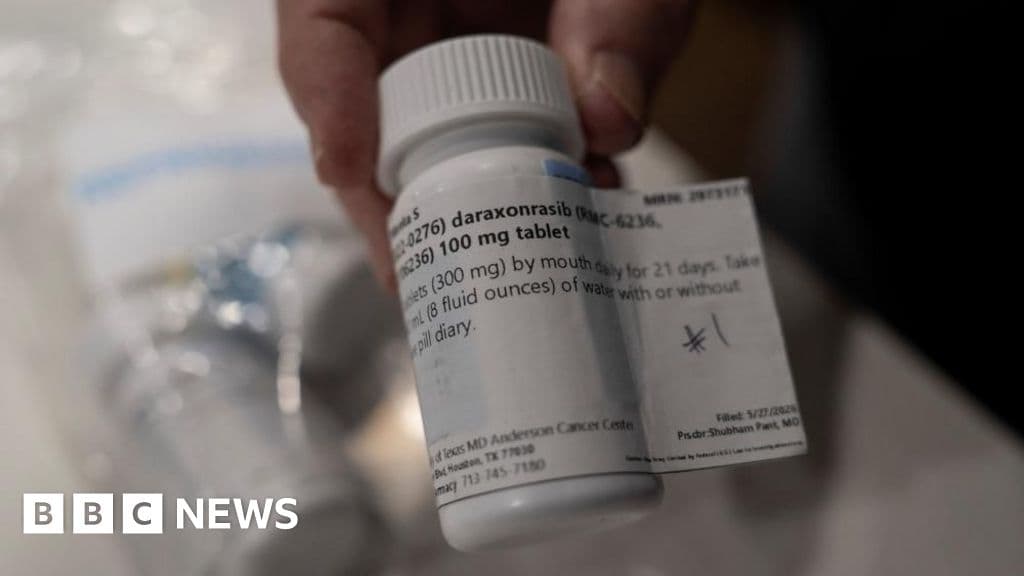
Discover how daraxonrasib, a new pill, is nearly doubling survival rates for pancreatic cancer patients, offering hope in a challenging battle against this deadly disease.
BBC Health
Waste companies propose a £5 deposit on vapes to encourage proper disposal and curb littering as the environmental impact of vapes increases.
BBC Business