
Image: BBC Health
A sex educator shares her doubts about hormonal contraception influenced by social media. Explore the impact of misinformation and personal experiences.
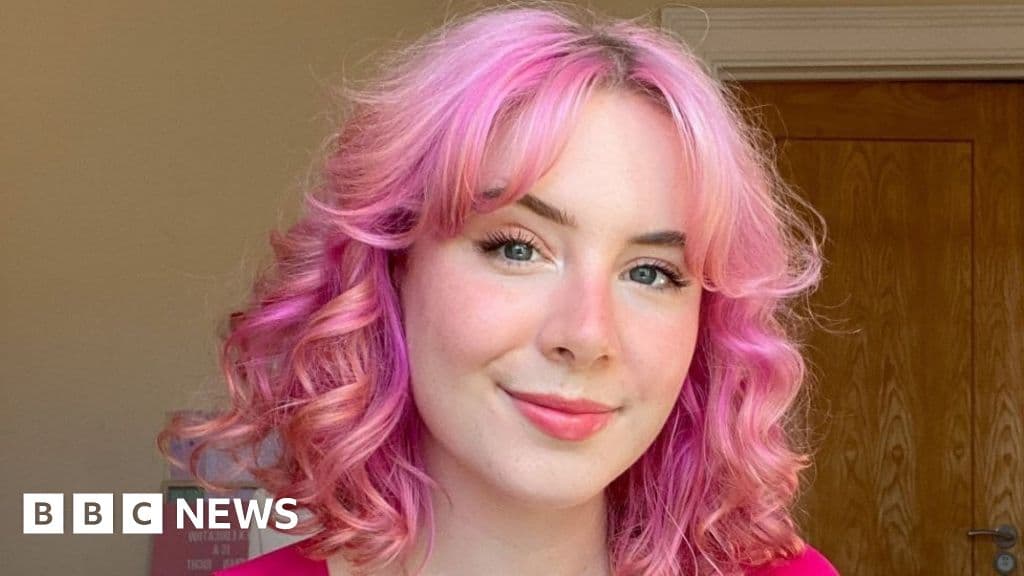
GlipzoIn a world awash with information and opinions, even seasoned professionals face uncertainty. Milly Evans, a 26-year-old sex educator with six years of experience, found herself questioning the very contraception methods she advocates. As she prepared to get a hormonal coil (IUS), she was overwhelmed by doubts and conflicting narratives flooding her social media feeds. This mix of expert knowledge and external pressures led her to hesitate for six months before booking her appointment.
Evans reflects on her experience, stating, “Some of the claims I saw were so compelling that they made me question what I already know to be true.” Her story is not unique. Many young women, particularly those active on social media, are grappling with similar confusion about hormonal contraceptives like the pill, coil, and implant. The discourse surrounding these methods often falls into two distinct categories: experiences shared by women about side effects and misinformation that can be tied to ideological perspectives.
The rise of misleading content regarding hormonal contraception has raised alarms among health professionals. Evans highlights that much of this misinformation stems from a **

Shocking findings from Nottingham's maternity unit reveal a toxic culture and alarming neglect. What can be done to improve care? Discover the details.
BBC Health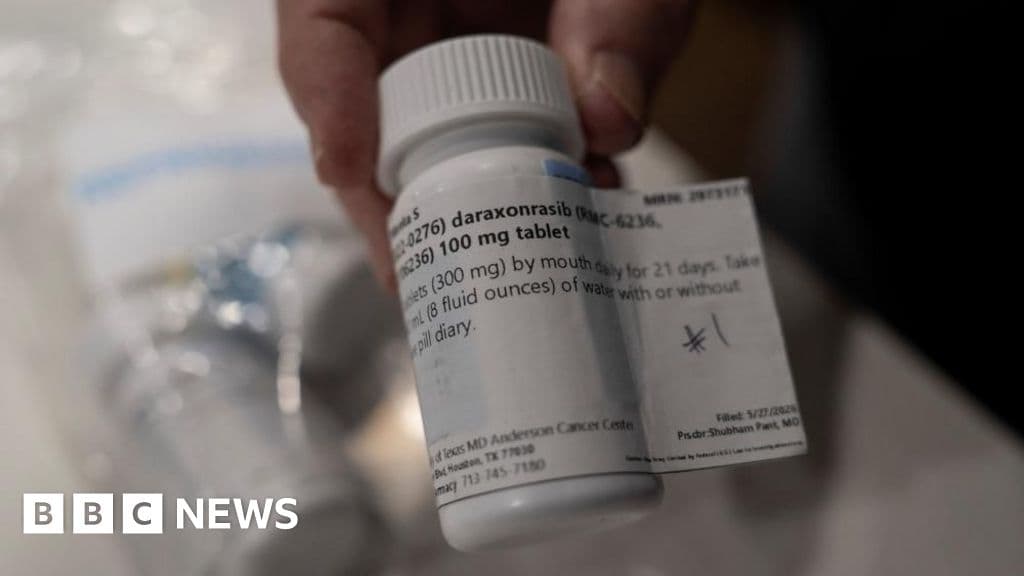
Discover how daraxonrasib, a new pill, is nearly doubling survival rates for pancreatic cancer patients, offering hope in a challenging battle against this deadly disease.
BBC Health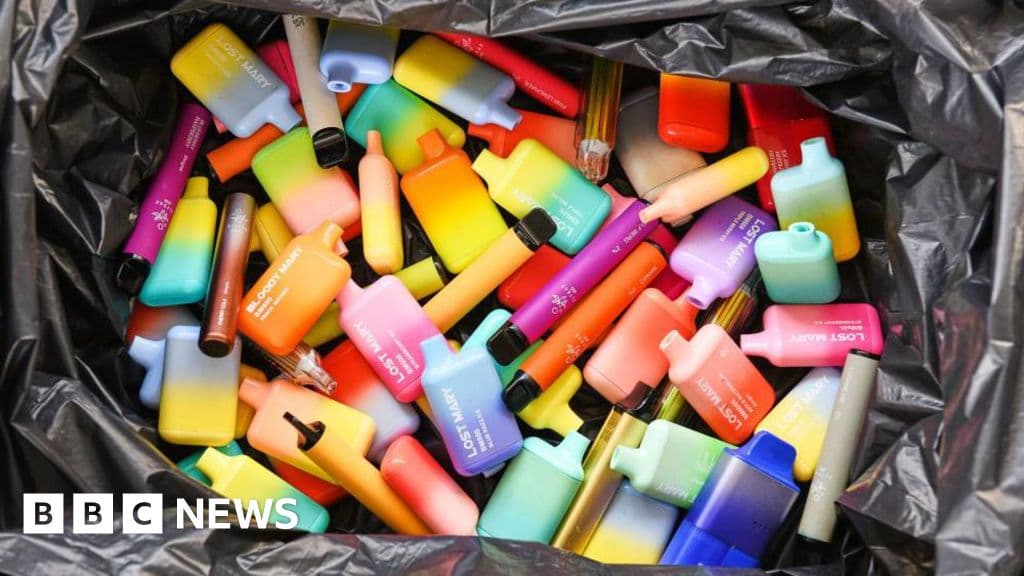
Waste companies propose a £5 deposit on vapes to encourage proper disposal and curb littering as the environmental impact of vapes increases.
BBC Business