
Image: Mint (Business)
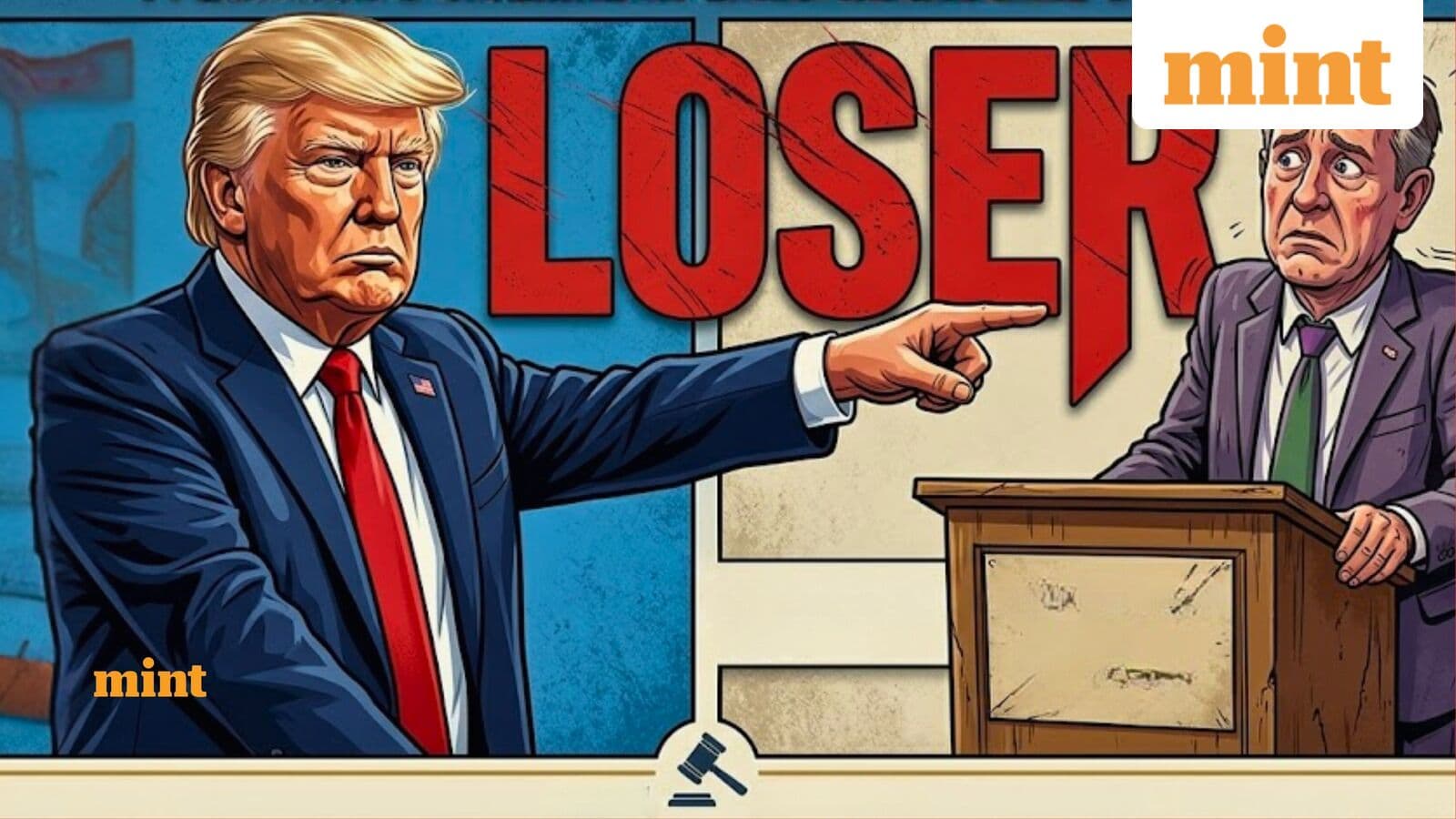
Donald Trump’s provocative statement on ego demands attention. Explore how ego influences success and the balance needed for effective leadership.
Glipzo"Show me someone without an ego, and I’ll show you a loser." This striking quote from Donald Trump is more than just a statement; it encapsulates a philosophy that has fueled much debate about success in competitive environments. Delivered with his signature bluntness, this assertion reframes the concept of ego from a mere flaw to an essential trait for achieving greatness.
But what does Trump really mean when he talks about ego? In his view, it transcends mere arrogance; it embodies the confidence and ambition that drive individuals to assert themselves in fields like business, politics, and entertainment. The message is clear: if you want to be noticed, you need to project self-belief, even when the tangible evidence of your capabilities is still forming.
Trump's assertion challenges the commonly held belief that humility is a universal virtue. In a world that often rewards visibility, the ability to stand out can be the difference between success and obscurity. Here are some critical points to consider: - Visibility Matters: In competitive fields, a lack of presence can lead to missed opportunities. - Leadership Requires Boldness: Effective leaders often need to make their presence felt to inspire others. - Ego as a Tool for Confidence: It acts as a catalyst for action, urging individuals to step out of their comfort zones.
However, this perspective is not without its complexities. Striking a balance between having enough ego to drive success and avoiding the pitfalls of overconfidence is crucial. Too little ego can render a person invisible, while too much can lead to arrogance and alienation.
The tension surrounding ego raises an important question: how much is too much? Trump’s worldview reflects a competitive nature that values projecting strength above all else. His career, spanning real estate and media, showcases a brand built on loud success. Skyscrapers emblazoned with his name and statements designed to garner attention exemplify this approach.
Nevertheless, there is a counterargument that deserves attention. Many successful individuals espouse what psychologists refer to as “quiet confidence.” These leaders often: - Listen More Than They Speak: They value feedback and collaboration, fostering trust rather than dominating conversations. - Avoid Validation-Seeking Behavior: They do not rely on constant praise, allowing for authentic growth. - Embrace Learning: An inflated ego can hinder one's ability to accept criticism or learn from mistakes.
The critical takeaway from Trump’s quote lies in understanding the nature of ego itself. It’s not merely about whether one has an ego but rather about the form and extent of that ego. Here are some insights: - Do Not Equate Lack of Ego with Humility: Being grounded and confident in your abilities is not mutually exclusive. - Build Visibility and Confidence: Actively participating in discussions can open doors to new opportunities. - Keep Ego in Check: Use ego as a motivator rather than allowing it to define your identity. When it begins to obstruct learning, it may turn counterproductive.
Trump's statement serves as a jumping-off point for deeper discussions about ego and success. The reality is that the truth often lies somewhere between his viewpoint and the more tempered perspectives of others. For those looking to navigate their paths to achievement, several influential books provide valuable insights: - Think and Grow Rich by Napoleon Hill: A seminal work that underscores the importance of self-confidence as the foundation for success. - Ego Is the Enemy by Ryan Holiday: This book provides a counter-narrative, emphasizing how unchecked ego can undermine growth and relationships. - The Confidence Code by Claire Shipman and Katty Kay: This exploration of confidence distinguishes between healthy self-belief and arrogance. - Good to Great by Jim Collins: A guide that introduces the concept of Level 5 leadership, combining humility with fierce determination. - The 7 Habits of Highly Effective People by Stephen Covey: This classic emphasizes principles and character over mere self-promotion.
In summary, Trump’s bold statement on ego and success is a call to examine our own beliefs about self-worth and achievement. While there is merit in his perspective, the real challenge lies in finding that delicate balance between confidence and humility. As we look to the future, understanding how to cultivate a healthy ego will be essential for effective leadership and personal growth.
As leaders and individuals, the journey ahead will involve asking tough questions about our motivations and how we project ourselves in the world. The ongoing dialogue surrounding ego will undoubtedly shape the future of leadership and success in our increasingly competitive landscape, making it a topic worth watching closely.

Tensions soar as the US and Iran engage in air strikes near the Strait of Hormuz, raising concerns over global oil supply and regional stability.
BBC World
Trump's international interventions face serious stalemates. What will this mean for U.S. foreign policy? Explore the critical challenges ahead.
Indian Express
Tehran denies resignation of President Masoud Pezeshkian amid claims of IRGC influence. What does this mean for Iran's political stability? Click to learn more!
Indian Express