

Image: Times of India
DGCA's decision to extend pilot hours amid Iran war raises safety concerns. What measures is Air India taking to ensure pilot well-being during this crisis?
GlipzoIn a significant development affecting Air India, the Directorate General of Civil Aviation (DGCA) has approved temporary extensions for pilots' flying hours. This decision comes in response to the rerouting of flights due to the ongoing conflict in Iran, which has altered many aviation routes across the region. With heightened tensions and safety concerns in the Gulf, airlines like Air India are being forced to adjust their operational strategies, leading to pilots working longer than usual hours.
The Iran war has created a ripple effect throughout the aviation industry, compelling airlines to find alternative paths for their flights. As a result, Air India is confronting an unprecedented increase in operational demands. The DGCA's decision to permit extended flight hours is seen as a necessary adjustment to ensure that airlines can continue to serve their routes effectively while navigating the complexities of the current geopolitical landscape.
While the DGCA acknowledges the pressing need for this change, many pilots have voiced their concerns regarding the potential implications for safety. Extended flying hours can lead to pilot fatigue, which is a well-documented risk factor in aviation safety. Pilots worry that fatigue could compromise their ability to operate flights safely, leading to dangerous situations in the skies. It’s a critical issue that begs the question: how can airlines balance operational needs with the safety of their crew and passengers?
In light of the extended flight hours, Air India is proactively implementing strategies to address pilot fatigue. Some of these measures include: - Increased Rest Periods: Ensuring pilots have adequate time off between flights to recuperate. - Pilot Upgrades: Fast-tracking training programs to ensure more pilots are available to share the workload. - Health Monitoring: Enhancing health and wellness checks to better manage fatigue and stress levels among pilots.
These initiatives aim to alleviate some of the strain on pilots while meeting the operational demands imposed by the rerouted flights. The airline's commitment to prioritizing pilot well-being is critical, particularly during these challenging times.
The decision by the DGCA to allow longer flying hours for pilots reflects a broader dilemma faced by airlines during crises. It raises the fundamental question of how far operational needs should go when weighed against safety considerations. The aviation industry has long emphasized the importance of pilot health and safety, and this situation underscores the necessity for vigilant management of those factors.
It's crucial for regulatory bodies like the DGCA to strike a balance that ensures both the operational viability of airlines and the safety of flight crews and passengers. As the conflict in Iran continues and aviation routes remain volatile, the pressure on airlines to adapt will only intensify.
As the situation evolves, the aviation industry must remain agile. The following trends are likely to emerge: - Increased Regulatory Scrutiny: Expect more regulations regarding pilot work hours and fatigue management as safety remains paramount. - Technological Innovations: Airlines may explore more advanced scheduling and crew management software to optimize pilot workload. - Potential for Route Changes: As geopolitical situations develop, airlines will need to remain flexible and prepared to alter routes as necessary to ensure safety and compliance.
In conclusion, while the DGCA's decision to extend flight hours is a response to immediate operational needs, it also opens up larger discussions about safety protocols and pilot welfare. How airlines navigate these challenges will be critical in maintaining trust and safety in air travel as we move forward in this uncertain climate.
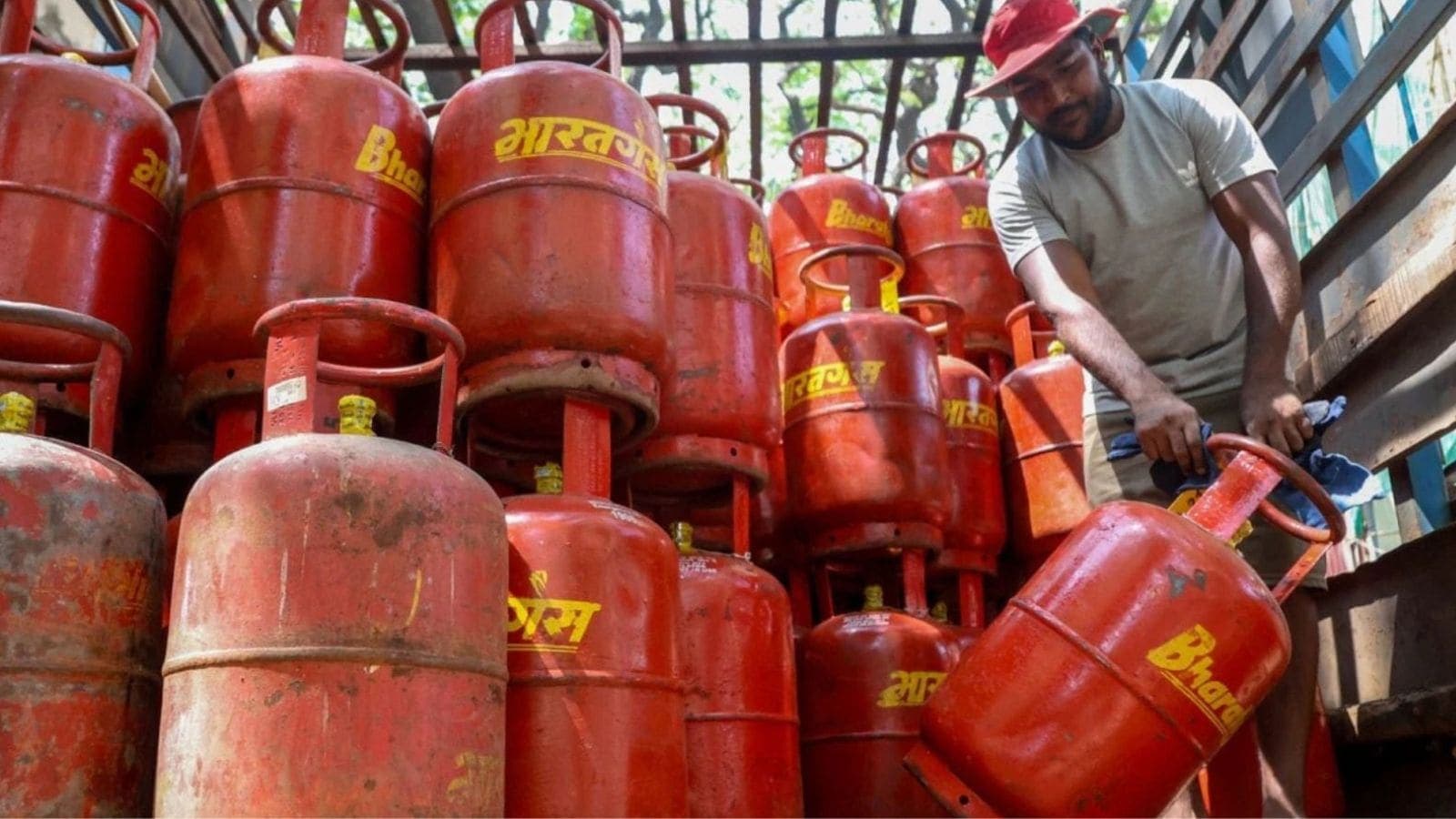
Commercial LPG prices have risen again, with increases of ₹42 in Delhi and ₹53.50 in Kolkata impacting businesses and consumers alike. Find out more.
Indian Express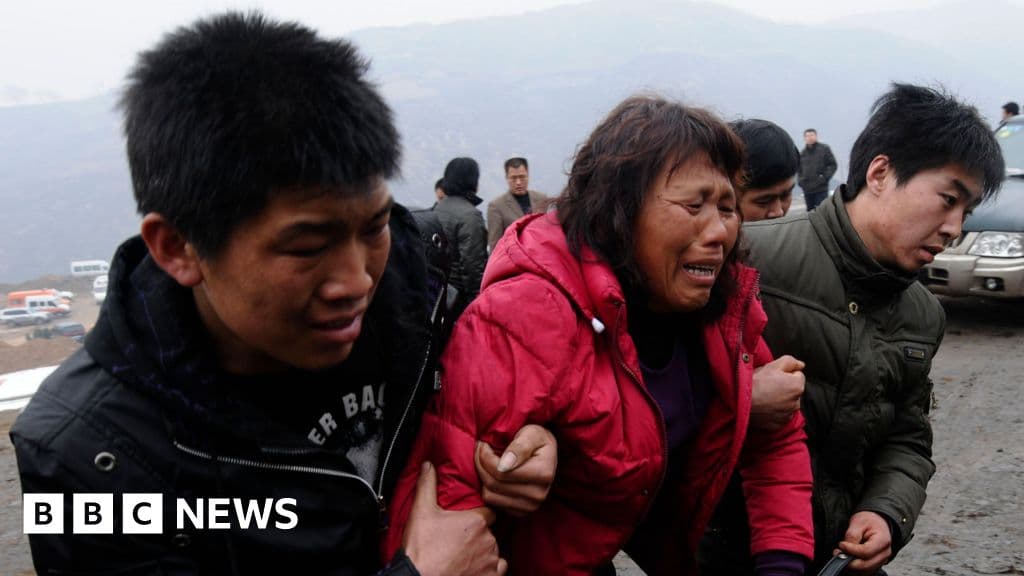
Discover how a tragic coal mine explosion in Shanxi, China, reveals ongoing safety concerns in the industry amidst a push for green energy.
BBC Business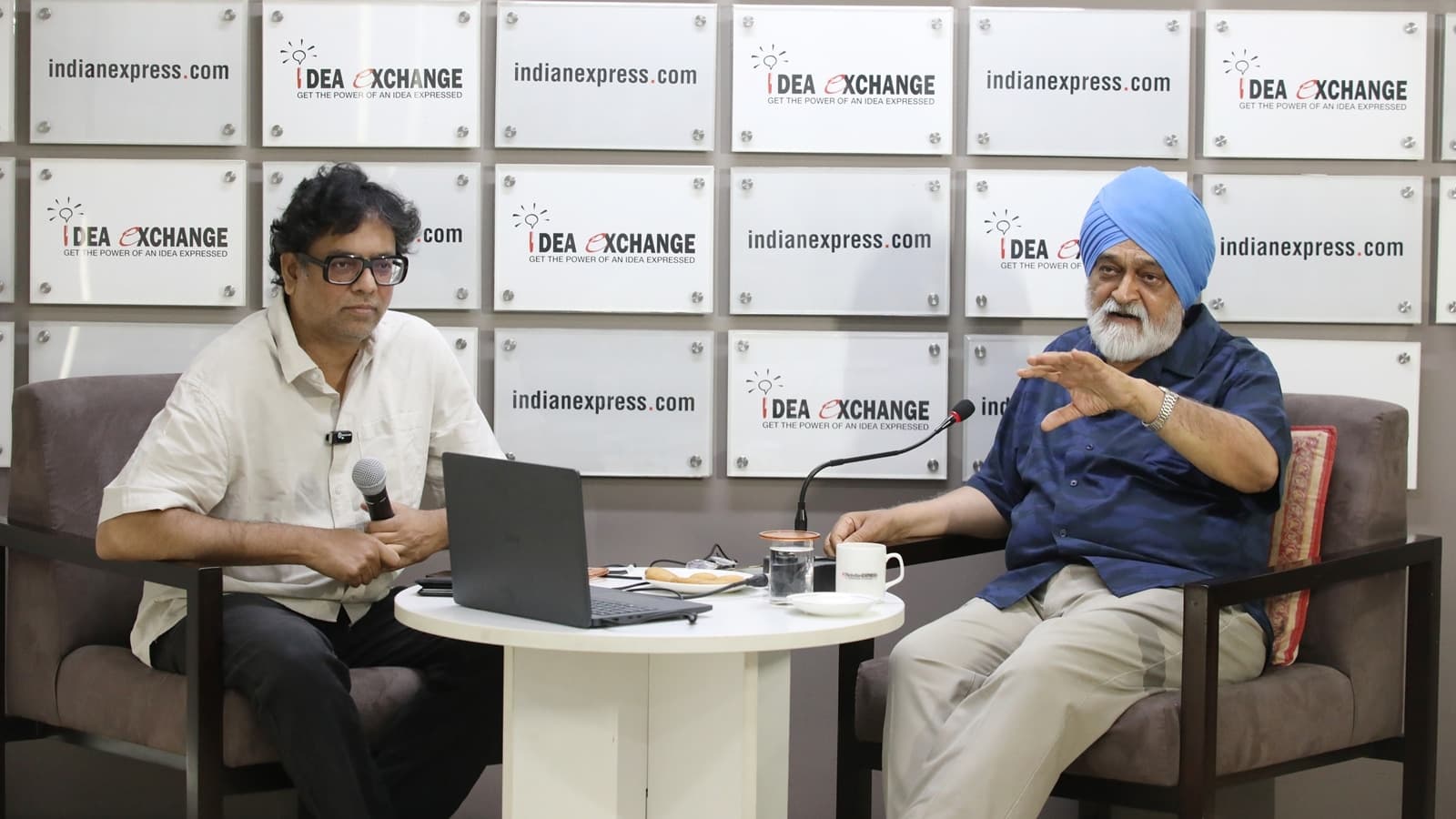
Montek Singh Ahluwalia highlights key economic challenges for India, emphasizing the need for a strategic approach to balance payments and investment.
Indian Express