
Image: Mint (Business)
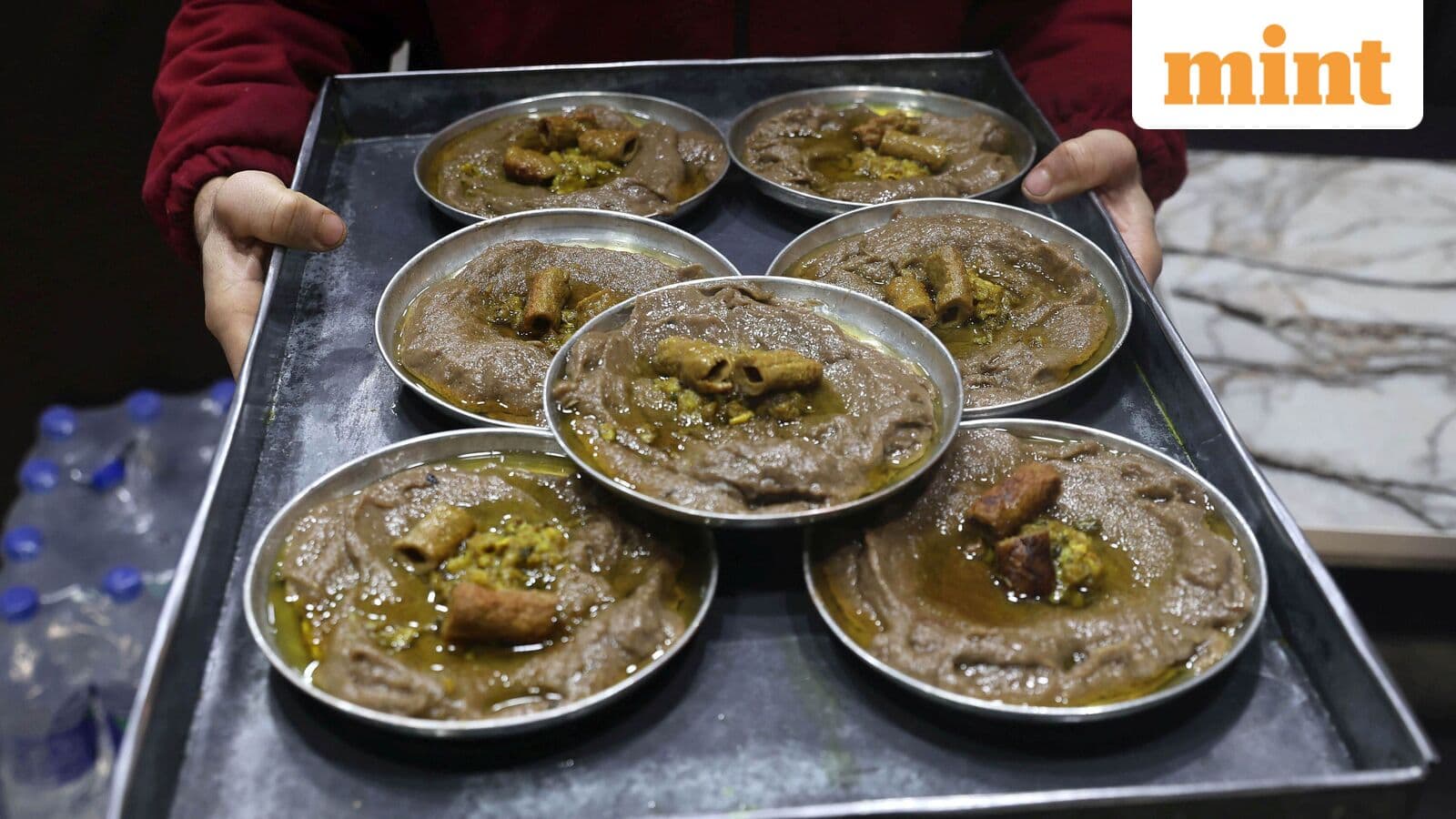
Delhi's restaurants face a severe LPG crisis, prompting menu changes and potential price hikes as they adapt to fuel shortages and cooking challenges.
GlipzoThe ongoing conflict in the Middle East, particularly the US-Israel and Iran war, has led to a significant Liquefied Petroleum Gas (LPG) shortage in parts of India, with profound implications for the food and beverage (F&B) industry. Restaurants across Delhi are bracing for potential shutdowns, menu changes, and possible price increases due to disrupted fuel supply.
The current LPG crisis is particularly challenging for non-vegetarian dining options. Popular items such as mutton and dal-based dishes are becoming increasingly difficult to prepare as restaurants scramble to adapt. Manpreet Singh, Honorary Treasurer of the National Restaurant Association of India (NRAI) and owner of renowned restaurants like Zen and Fujiya, shared insights into how the industry is navigating this fuel shortage.
In light of the crisis, Singh explained the measures being taken to conserve LPG and prioritize menu items that require less gas. “We are trying to curtail the use of LPG by rationalizing our menu and focusing on dishes that require lower gas consumption,” he stated. The shift to alternative cooking methods, such as electric and induction cooking, has become a priority.
Despite these efforts, Singh noted the inherent challenges of transitioning to electric cooking, emphasizing that it may slightly impact the quality of dishes. “We are not accustomed to cooking with electricity, and while it may take some time to adjust, we are committed to improving our techniques,” he added.
As the crisis deepens, vegetarian dishes have gained precedence on restaurant menus. Singh mentioned, “Cooking mutton has become a challenge, and we are reducing the frequency of its preparation.” The operational adjustments also involve batch cooking sauces to minimize gas usage.
However, even vegetarian options like dal pose their own challenges, as they require longer cooking times, increasing fuel consumption. To mitigate this, restaurants are now soaking dal overnight to expedite the cooking process.
Singh, who has been in the restaurant business for over 35 years, emphasized the importance of cooking mutton thoroughly, stating, “Mutton must be cooked properly; unlike vegetables, undercooked meat can lead to health issues.”
The long-term implications of the LPG shortage on dining costs may be significant. While Singh's restaurants have not yet increased prices, he cautioned, “If the situation continues, we may have no choice but to raise our prices, especially given the rising costs of electricity and the limited supply of LPG.”
Smaller establishments will likely feel the most severe impact, as they may be forced to either cease operations or switch to less sustainable fuel sources like wood or coal, which could exacerbate pollution levels in North India. Singh expressed concern for the future, stating, “The first question from guests is now about our ability to serve food, which is creating chaos in the market.”
With the situation escalating, many in the restaurant industry are calling on the government for immediate relief. Singh noted that commercial LPG cylinders are currently scarce in the market, and when available, they come at exorbitant prices. “If you can find a cylinder, it’s likely at a price well above what we’ve seen before,” he explained.
Restaurant owners like Singh are increasingly preoccupied with the LPG situation rather than focusing on sales and service quality. As the crisis continues, the future of many dining establishments hangs in the balance, emphasizing the need for concerted efforts from both industry stakeholders and government authorities.
In conclusion, the ongoing LPG crisis is forcing Delhi's restaurants to rethink their menus and operations. With rising costs and limited fuel availability, the culinary landscape in the city may face a significant transformation. The urgency for government intervention is paramount to prevent widespread disruptions in the food and beverage sector.
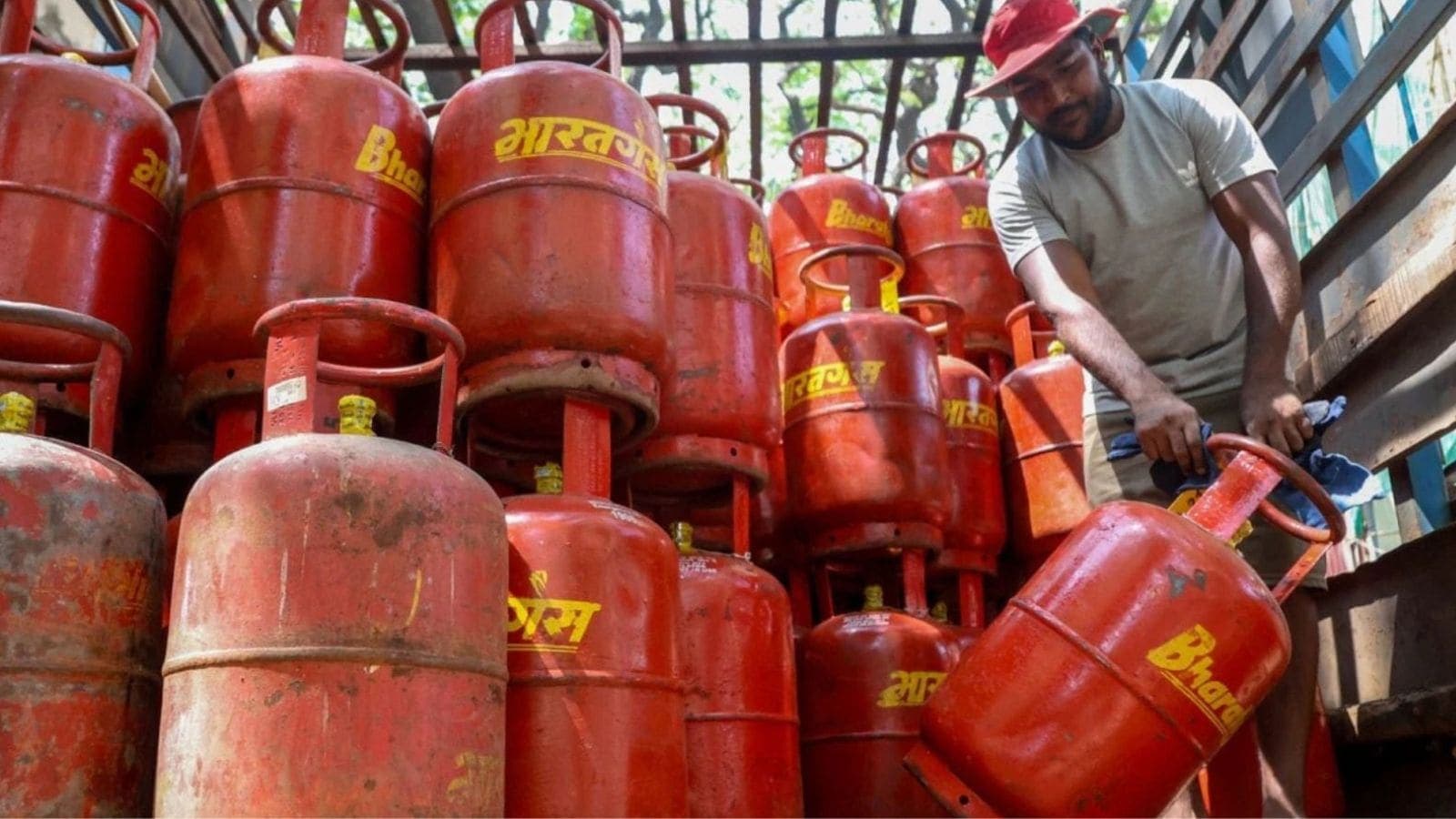
Commercial LPG prices have risen again, with increases of ₹42 in Delhi and ₹53.50 in Kolkata impacting businesses and consumers alike. Find out more.
Indian Express
Discover how a tragic coal mine explosion in Shanxi, China, reveals ongoing safety concerns in the industry amidst a push for green energy.
BBC Business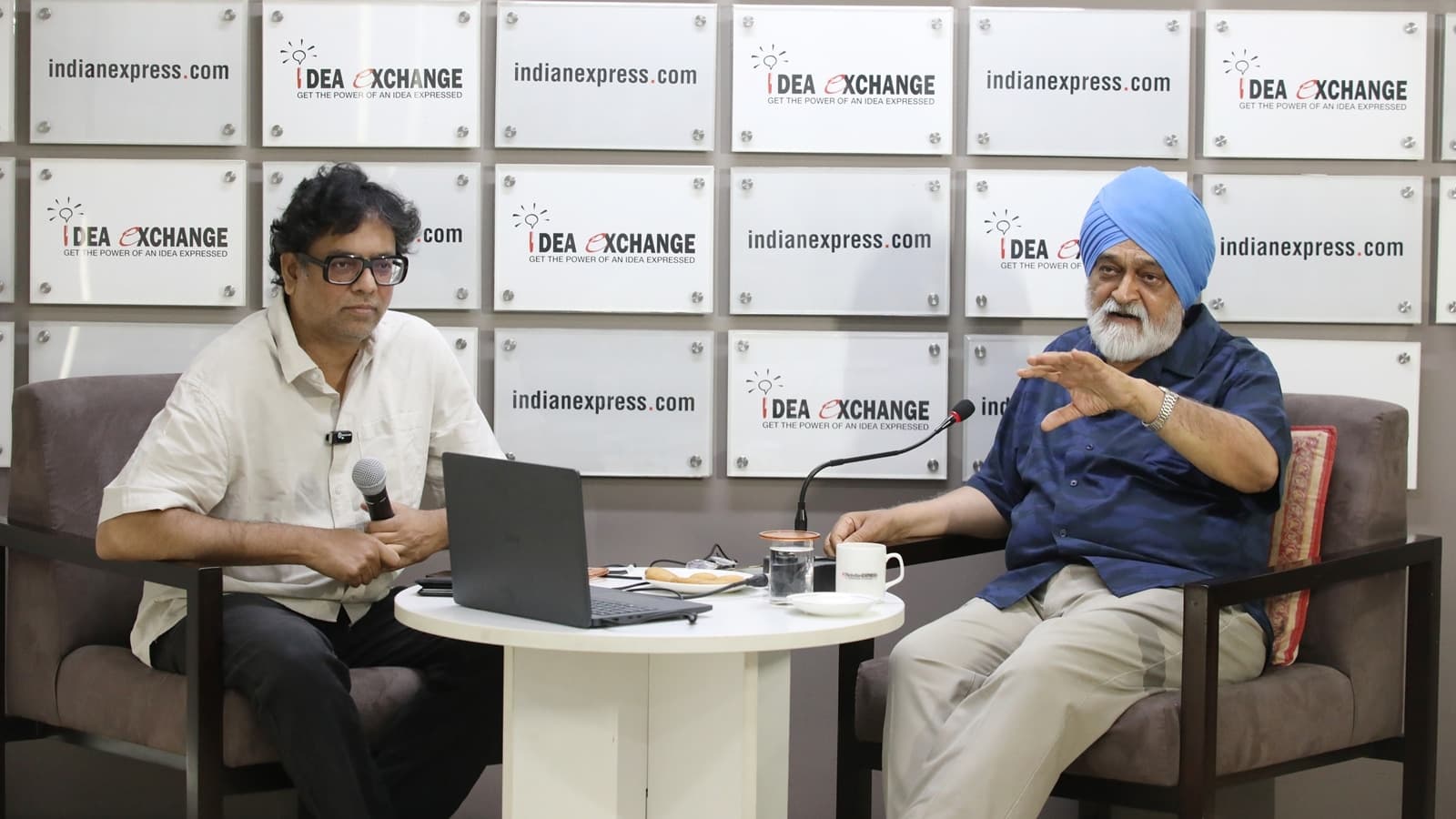
Montek Singh Ahluwalia highlights key economic challenges for India, emphasizing the need for a strategic approach to balance payments and investment.
Indian Express