

Image: The Hindu
Delhi's government merges three major hospitals to improve healthcare efficiency and patient care, following a strategic meeting led by CM Rekha Gupta.
GlipzoIn a significant announcement on March 16, 2026, the Delhi government revealed a strategic plan aimed at enhancing healthcare services by merging three prominent hospitals in the city. This initiative, spearheaded by Chief Minister Rekha Gupta, will transform the Guru Teg Bahadur (GTB) Hospital, the Delhi State Cancer Institute, and the Rajiv Gandhi Super Speciality Hospital into a single, unified autonomous institution, akin to the prestigious All India Institute of Medical Sciences (AIIMS). This decision marks a pivotal shift in how healthcare resources will be managed in the capital, promising to improve patient care and operational efficiency.
The announcement followed a thorough review meeting led by Chief Minister Gupta, during which Health Minister Pankaj Kumar Singh and other key officials evaluated the current state of healthcare in Delhi. The focus of the meeting was clear: to bolster the coordination and resource management of these vital public medical institutions. The Chief Minister's Office (CMO) emphasized that the integration aims to create a more streamlined healthcare system, ultimately enhancing the quality of services available to residents.
The core goals behind this merger are multifaceted, targeting both resource optimization and improved patient outcomes. Here’s what the government aims to achieve through this ambitious plan: - Enhanced Efficiency: By combining the resources and expertise of all three hospitals, the government intends to reduce redundancy and improve service delivery. - Centralized Management: The new autonomous entity will facilitate better decision-making and strategic planning, ensuring that healthcare services align with the needs of the community. - Expanded Specializations: Integrating these hospitals will allow for a broader range of medical specialties, providing patients with access to comprehensive healthcare under one roof. - Cost-Effectiveness: The merger is expected to lead to significant cost savings, which can be redirected towards upgrading facilities and acquiring advanced medical technology.
The decision to merge these hospitals is not merely administrative; it reflects a growing recognition of the need for a reformed healthcare system in Delhi, which has faced challenges in recent years, particularly during the COVID-19 pandemic. The integration of key medical institutions signifies a shift toward a more holistic approach to public health, focusing on collaboration rather than competition among hospitals.
Moreover, this move aligns with larger national trends aiming to enhance public healthcare infrastructure. As cities worldwide grapple with healthcare demands, Delhi's initiative could serve as a model for other regions looking to improve their medical systems. The government’s proactive stance indicates a commitment to elevating the standard of healthcare and addressing the needs of its citizens more effectively.
As the Delhi government embarks on this transformative journey, several factors will be critical in determining the success of the merger: - Implementation Timeline: Stakeholders will be keenly observing the timeline for the integration process and how swiftly the government can execute its plans without disrupting patient care. - Feedback from Healthcare Professionals: The input from doctors and staff at the merging hospitals will be invaluable in shaping the new institution’s policies and operations. Their experiences will highlight potential challenges and opportunities. - Public Reception: How residents perceive this change will be crucial. The government must engage with the community to ensure that the new healthcare model meets public expectations and needs. - Performance Metrics: Establishing clear metrics to measure the success of the merger will be essential in assessing its impact on healthcare delivery in the long run.
In conclusion, the merger of these three hospitals represents a bold step towards reinventing healthcare in Delhi. As the government moves forward with its plans, the focus will undoubtedly remain on how effectively it can enhance healthcare delivery while ensuring that the needs of the population are met. Stakeholders across the board will be watching closely as this initiative unfolds, hoping it brings much-needed improvements to the healthcare landscape in the capital.
This merger is not just a logistical change; it is a comprehensive strategy aimed at elevating Delhi’s status as a leading healthcare destination in India. The integration of these facilities could pave the way for further innovations in public health policy, making it a significant development to monitor in the coming months.
Shocking findings from Nottingham's maternity unit reveal a toxic culture and alarming neglect. What can be done to improve care? Discover the details.
BBC Health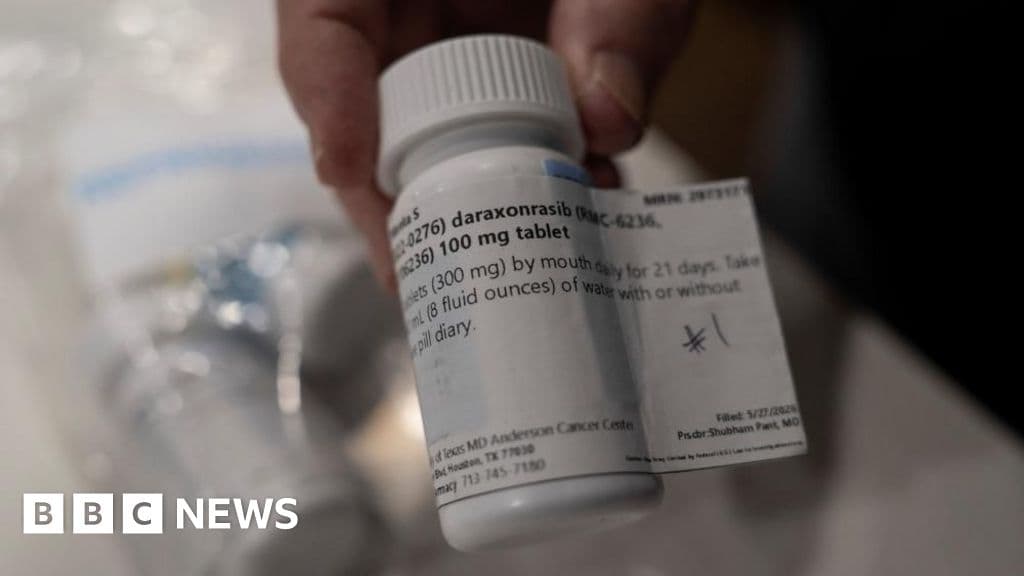
Discover how daraxonrasib, a new pill, is nearly doubling survival rates for pancreatic cancer patients, offering hope in a challenging battle against this deadly disease.
BBC Health
Waste companies propose a £5 deposit on vapes to encourage proper disposal and curb littering as the environmental impact of vapes increases.
BBC Business