
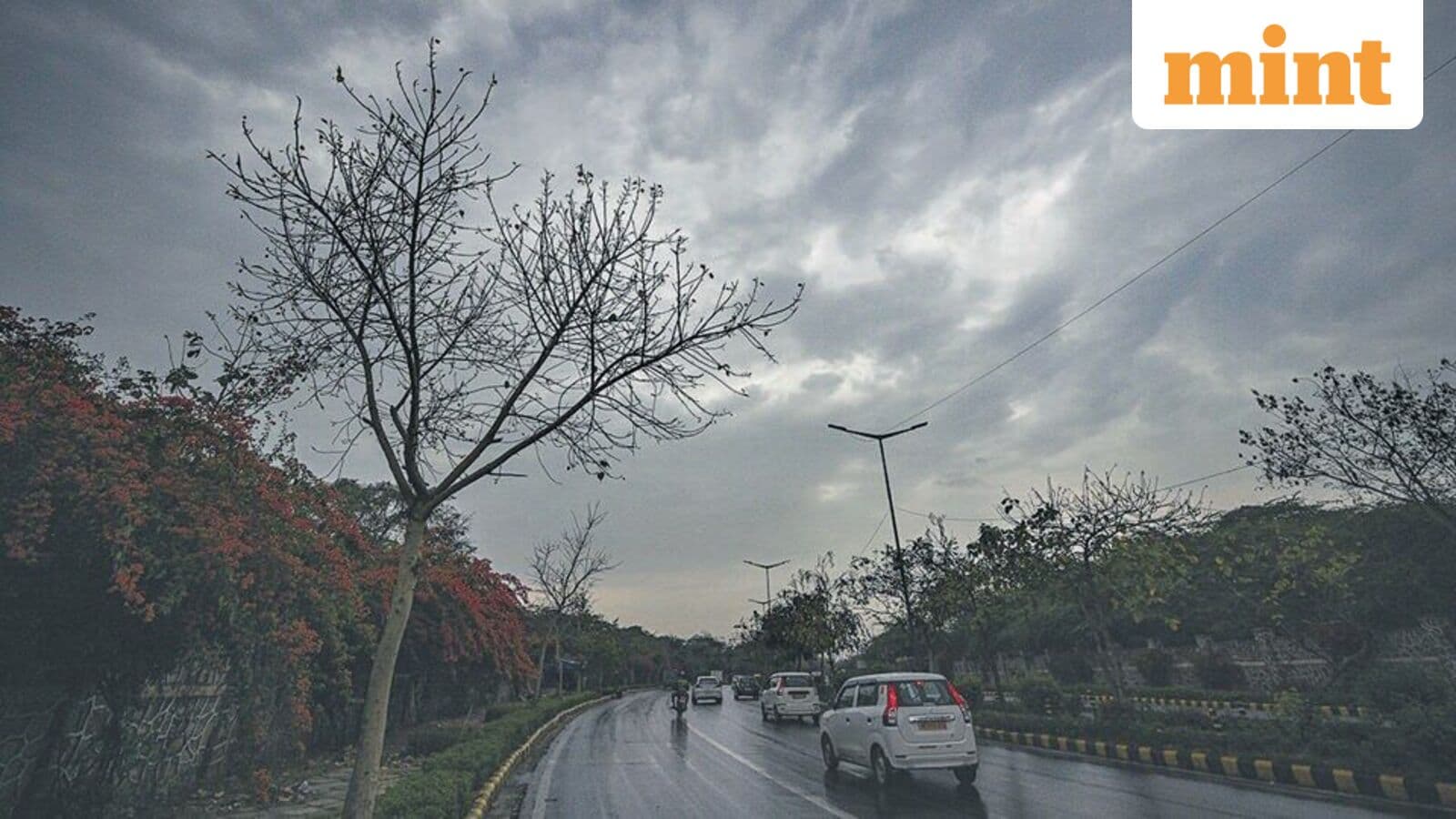
Image: Mint (Business)
Delhi braces for rain and thunderstorms as the IMD issues a yellow alert, marking March as the wettest month in three years. Stay updated!
GlipzoDelhi is gearing up for another day filled with light to moderate rainfall, thunderstorms, and gusty winds as the India Meteorological Department (IMD) has issued a yellow alert for the city. This weather phenomenon is set to continue throughout the day, adding to the already wet conditions experienced this month.
On March 20, residents in various parts of Delhi woke up to rain, which is anticipated to persist. The IMD's warning encourages citizens to stay vigilant and updated about changing weather conditions. The forecast predicts that residents can expect thunderstorms accompanied by lightning and winds reaching 30-40 km/h.
The IMD's yellow alert serves as a cautionary measure, indicating that residents should be prepared for potential weather disruptions. The alert particularly mentions areas like Noida, Dadri, and Greater Noida, which are likely to experience hailstorms and moderate rainfall with gusty winds reaching up to 50 km/h.
Mahesh Palawat, a meteorologist from Skymet, elaborated that a Western disturbance currently affecting North Pakistan and nearby regions of Jammu and Kashmir contributes to this weather pattern. He noted that there is also an induced cyclonic circulation over Haryana, which is influencing the rainfall across Delhi and its neighboring states, including Uttar Pradesh, Haryana, and Punjab.
Palawat indicated that this year’s pre-monsoon activity has arrived earlier than the typical late March onset. He attributed this shift to the unusually high temperatures during the initial days of March, coupled with a more intense Western disturbance. This unusual climatic behavior has resulted in the pre-monsoon phase beginning sooner than expected.
On March 19, Delhi experienced its heaviest rainfall of the month, marking the wettest March in three years, with an average precipitation of 9.4 mm recorded at Safdarjung, the city's primary weather station. This figure is significant, especially when compared to the normal monthly average of 12.6 mm.
This persistent rainfall not only provides relief from the warmer temperatures but also causes a notable drop in the daily temperatures. On Thursday, the maximum temperature plummeted to 26.8 degrees Celsius, a striking 6 degrees lower than previous readings this month.
Such weather patterns have significantly improved the air quality in the capital. The Air Quality Index (AQI) has shifted to the moderate category, recorded at 137, a marked improvement from the poor category noted the day before. The AQI scale categorizes the air quality as follows: - 0-50: Good - 51-100: Satisfactory - 101-200: Moderate - 201-300: Poor - 301-400: Very Poor - 401-500: Severe
As Delhi continues to experience these fluctuating weather conditions, the immediate forecast suggests that the current patterns will persist for the foreseeable future. With the Western disturbance moving toward eastern India, residents should remain alert for any further updates from the IMD.
In the coming days, it will be crucial to monitor the rainfall levels and temperature changes as March progresses. The impact of this weather on urban life, air quality, and health will be significant, particularly as the region transitions into the usual pre-monsoon phase.
What to watch for: - Continuation of rain and thunderstorms in the following days. - Changes in air quality as weather patterns evolve. - Potential for further temperature drops and unusual weather phenomena as the season shifts.
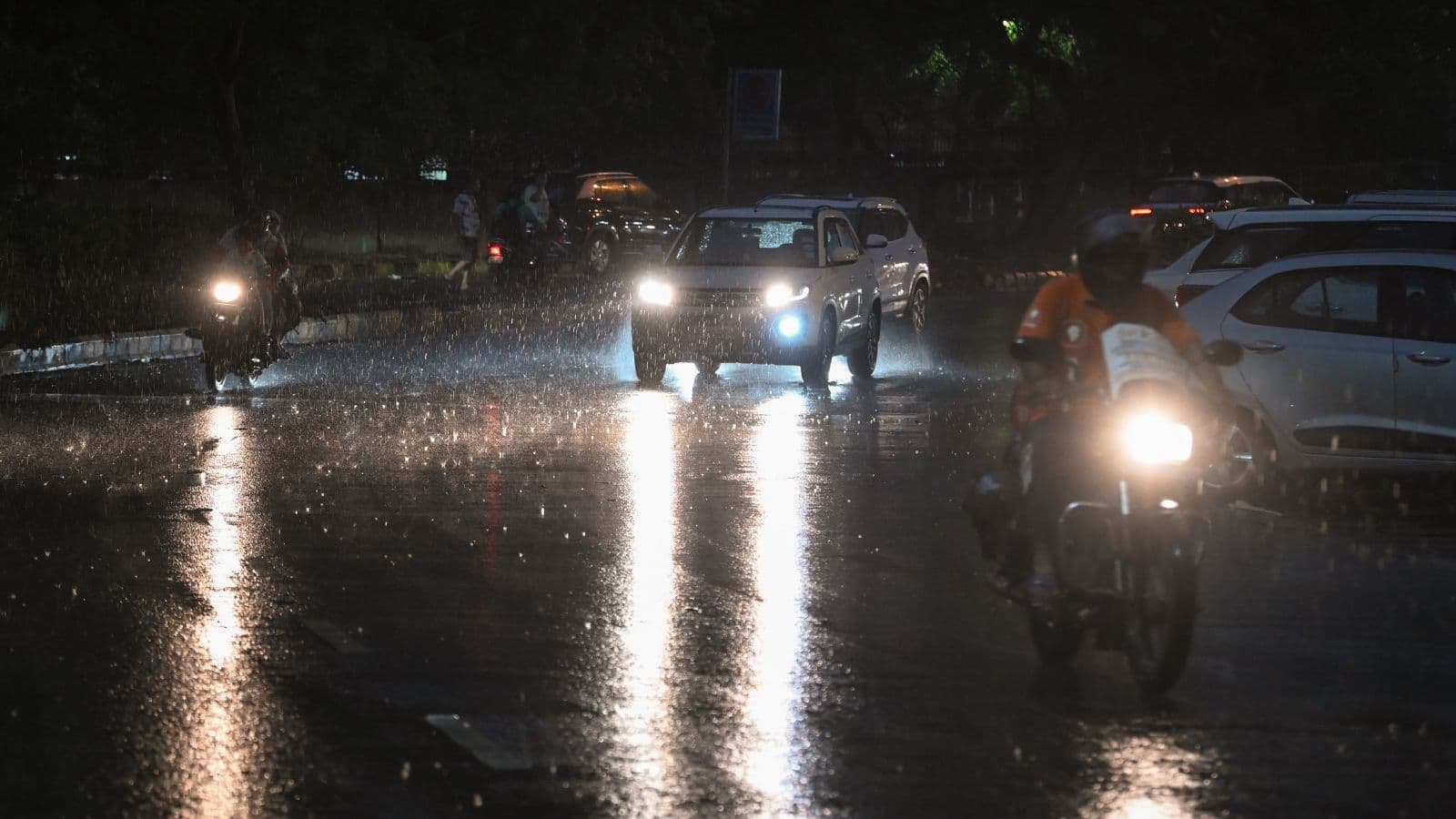
Delhi-NCR experiences thunderstorms bringing temporary relief from heat. What’s next for the city’s weather? Click to find out more!
Indian Express
A critical heatwave continues to impact northwest and central India, with relief expected after May 29. Stay informed for updates on this weather phenomenon.
Indian Express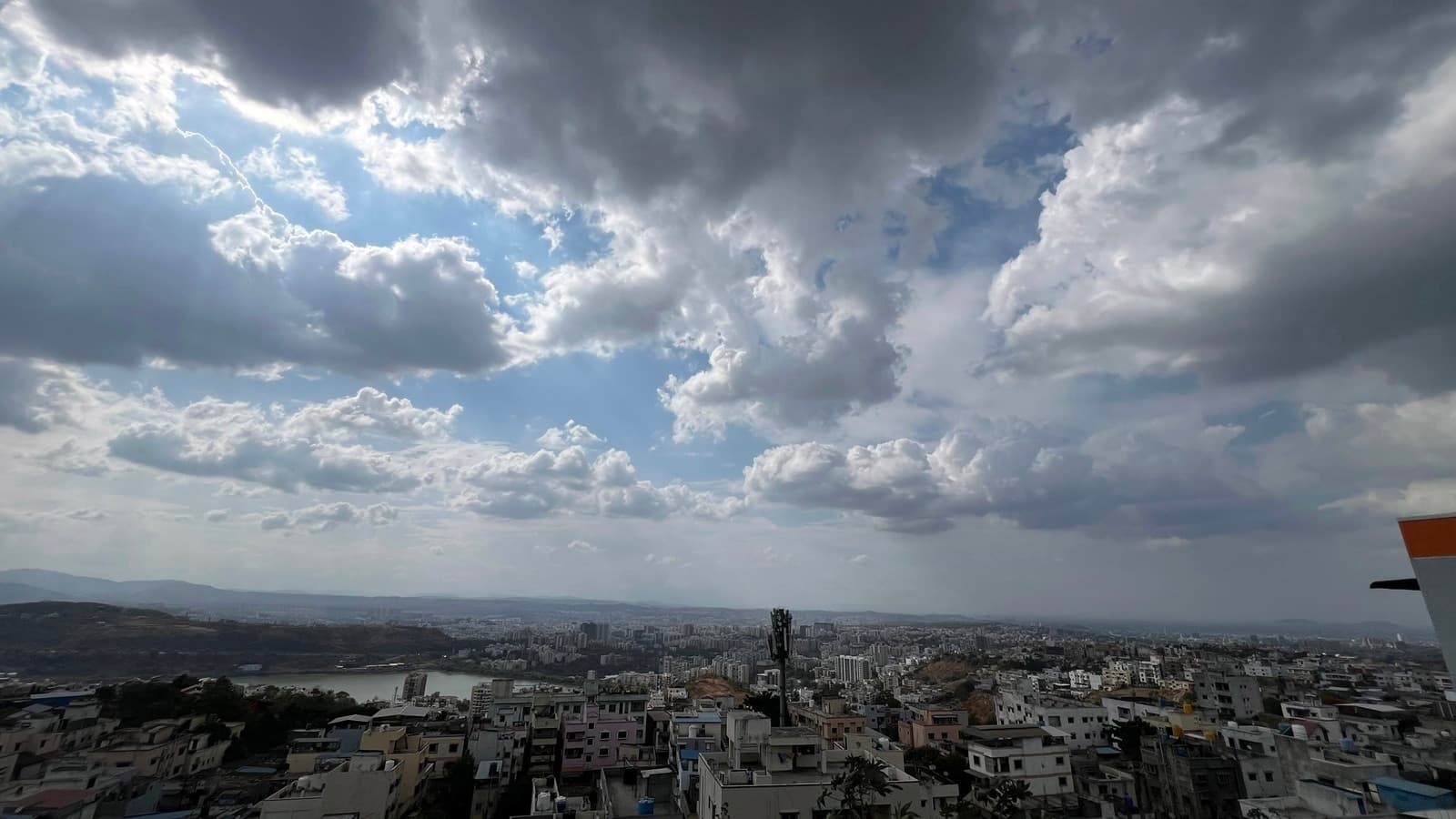
Pune residents can expect a temperature drop and thundershowers next week as Westerly winds bring moisture, offering relief from the recent heatwave.
Indian Express